Hollywood No Longer Needed? How YouTube Creators Started Making Movies Worth Hundreds of Millions of Dollars
How YouTube creators are becoming Hollywood directors. The stories of Obsession and Backrooms show how the internet is changing the rules of the film industry.
Translated with AI. Original: Українська
Just ten years ago, a young director with no connections in the film industry had almost no chance of landing a major Hollywood project. Today the situation is changing: an author can spend years making videos for YouTube, gather millions of views, and then release a feature-length film in cinemas. Two films – Obsession and Backrooms – have become telling examples of how the internet is opening a new path to big-screen cinema.
On September 27, CBS devoted a major piece to this trend, highlighting directors who came to film not through the traditional studio system but through their own digital projects. Their stories have caught Hollywood's attention, as the industry watches more and more closely the creators with audiences in the millions. YouTube is gradually turning into a platform where one can prove their directing potential even before the first major contract.
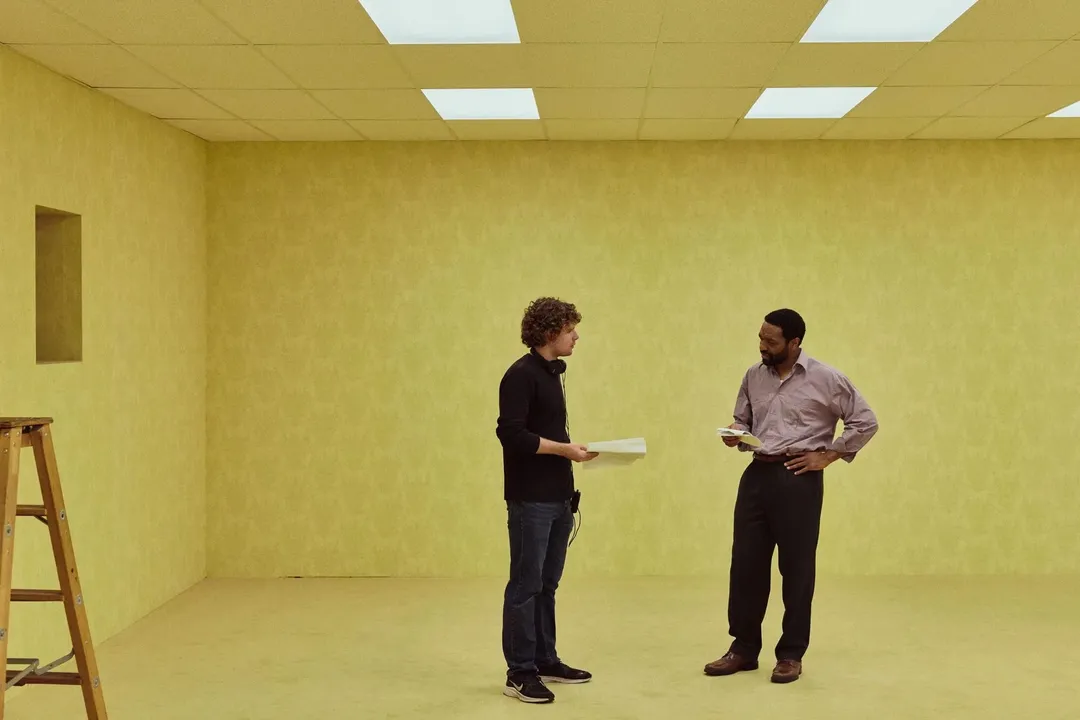
The story of Kane Parsons, creator of the internet series Backrooms, is especially telling. He became known thanks to videos about eerie endless corridors and empty rooms that resemble spaces from dreams or nightmares. The concept was born in internet culture, spread through horror fan communities, and eventually grew into a feature-length film. An idea that began as an online phenomenon received a chance at a major theatrical release.
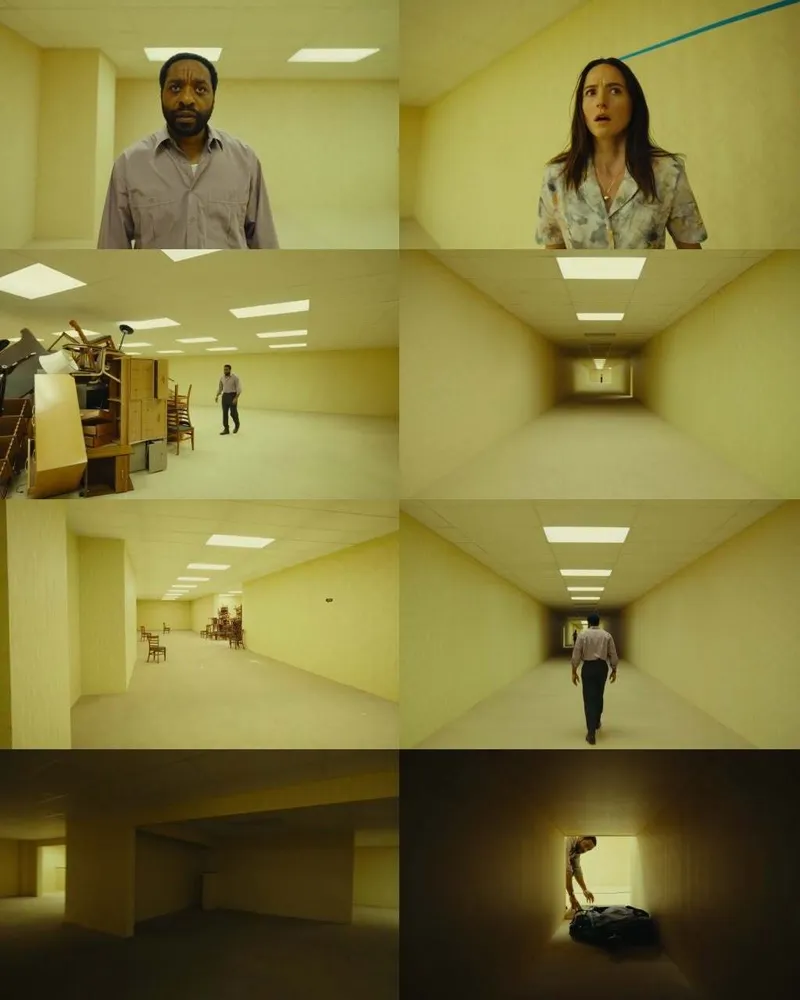
Another example is Obsession, which also drew attention thanks to its success outside the traditional studio system. Such projects show that for viewers, the story, atmosphere and emotions are becoming increasingly important, rather than just famous actors or the production budget. A small team and limited resources no longer mean that a film is doomed to go unnoticed.
For Hollywood, this represents a change in the very system of talent scouting. Previously, producers mainly paid attention to film schools, festivals, agents and professional recommendations. Now they can see a director's potential from their work online, gauge the audience's reaction, and understand which stories are already resonating. Millions of views become a kind of proof of interest in the author, although they do not guarantee box office success.
At the same time, popularity on YouTube does not equal automatic success in cinemas. People may watch short videos for the humor, dynamic editing or the personality of the creator, but feature-length film requires different dramaturgy and the ability to hold attention for two hours. Subscribers can bring a viewer to the cinema, but it is the film itself that must convince them to stay until the final credits.
The internet has a particularly strong influence on the horror genre. It is in the digital environment that new myths, eerie characters and entire fictional universes are born, quickly acquiring fan theories and discussions. Backrooms became an example of how an internet community can help develop a concept from a short video into a larger film project. For young directors, this is an opportunity to test an idea on a real audience before large sums of money are invested in production.
The very idea of a director's career is changing as well. Film school, assistant work on set and industry connections remain important, but they are no longer the only route. An author can independently make short films, experiment with editing, work with actors and gradually form their own style. YouTube effectively allows one to build a portfolio that will be seen not only by viewers but also by potential investors and studios.
Hollywood, of course, is not disappearing: major studios continue to control a significant share of financing, distribution and international release. Yet the place where future directors can emerge is changing. The next author of big-screen cinema may today be filming videos in their own room, building an audience online and independently developing a story that will later interest a studio. Now the road to Hollywood may begin not at the doors of a film studio, but with an upload button on YouTube.
Text: Arina Blyzniuk
Comments
No comments yet — be the first.
Discuss on Telegram