
Personal Brand Without the Mask: Why Reputation Matters More Than Popularity
Why a personal brand is more than social media popularity, how reputation is formed, and what helps build audience trust.
Translated with AI. Original: Українська
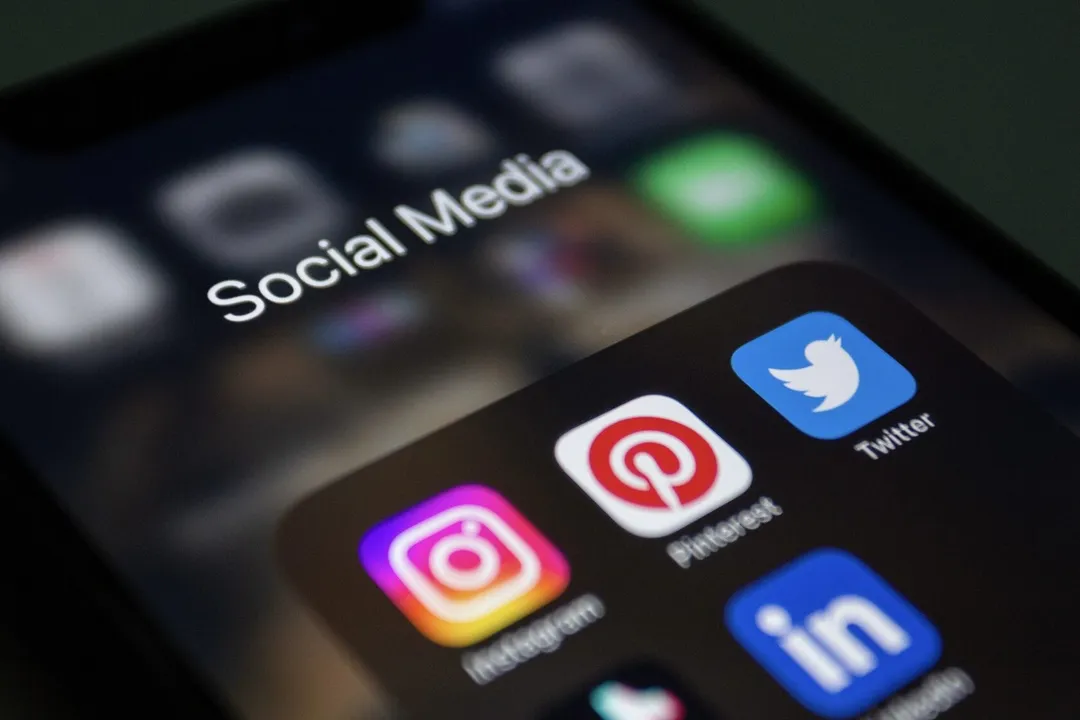
In the digital world, attention has become a resource that people, companies and media compete for. Social networks make it possible to quickly gain an audience, but the number of followers does not always translate into trust, professional opportunities or long-term success. That is why a personal brand is gradually moving beyond a beautiful feed and eye-catching posts. Its foundation becomes reputation: what people think of a person when that person is not in front of the camera.
A personal brand is often mistakenly seen as a carefully crafted image. In reality, it is formed from many details: professional decisions, communication style, behavior in difficult situations, and how closely words match actions. Visual recognizability can attract attention, but consistency is what helps keep it. An image can be created in a few weeks; reputation can only be confirmed over time.
For entrepreneurs and executives, a personal brand is increasingly becoming part of the business strategy. Clients want to understand who stands behind a company, which values shape its decisions, and whether its promises can be trusted. The openness of a founder, their expertise and their ability to speak about complex issues can strengthen trust in the business. At the same time, public visibility requires responsibility: personal words and actions can affect perceptions of the entire company.
Authenticity is no less important. Audiences quickly notice when a person tries to copy someone else's manner, artificially displays success or says only what they think others want to hear. This does not mean that a personal brand does not need a strategy. On the contrary, strategy helps define which topics are key, what value a person offers the audience and how they communicate their own expertise, without having to play someone else's role.
A successful personal brand does not necessarily have to be loud. For some people, it means regular public speaking and active media presence; for others, it is a narrow professional community, strong recommendations and quality work. What matters is not being everywhere, but being recognizable in the right environment. Reputation is not measured by reach: its real value shows up in trust, recommendations and the opportunities that arise because of it.
In the future, as digital content continues to multiply, genuine expertise and consistency may become more important than constant presence in the feed. A personal brand is not an attempt to please everyone. It is a clear understanding of one's own value and the ability to confirm it through actions. This is how popularity can turn into trust, and attention into long-term reputational capital.
Also read: Owning or Using: How Subscriptions Are Changing the Rules of Modern Business
Text: Arina Blyzniuk
Comments
No comments yet — be the first.
Discuss on Telegram