
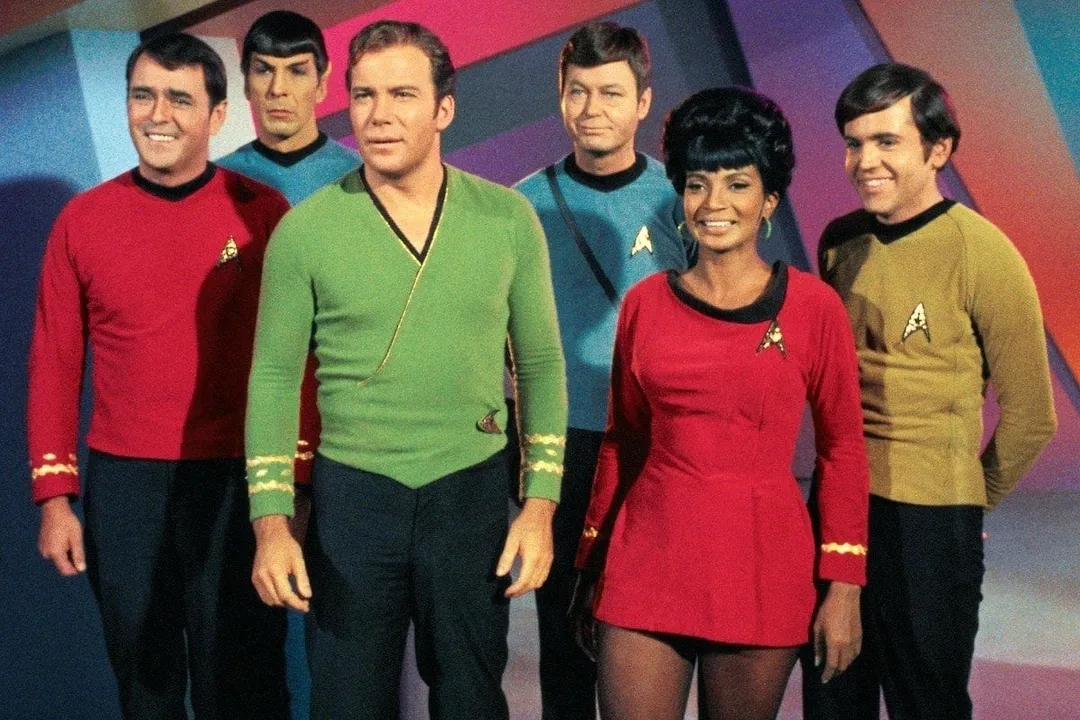
Star Trek Turns 60: How the Series About the Future Survived Six Decades
On September 8, Star Trek marks its 60th anniversary. Large-scale celebrations are taking place in cinemas, London and even in orbit, while the franchise continues to influence pop culture and technology.
Translated with AI. Original: Українська
Today, September 8, 2026, Star Trek turns 60 years old. On this very day in 1966, the first episode of the series aired on American television; it later evolved from a science-fiction story about space into one of the most influential franchises of world pop culture. Six decades later, Star Trek not only continues to exist — it still speaks to audiences about a future that has not yet arrived.
This year's anniversary is being marked on a large scale. From September 4 to 8, more than 750 cinemas across the US are screening classic Star Trek films restored in 4K, supplemented by episodes of the original series. Special events are taking place in London today, and fans around the world are being urged to perform the famous Vulcan salute at the same time — organizers plan to attempt to set a world record.
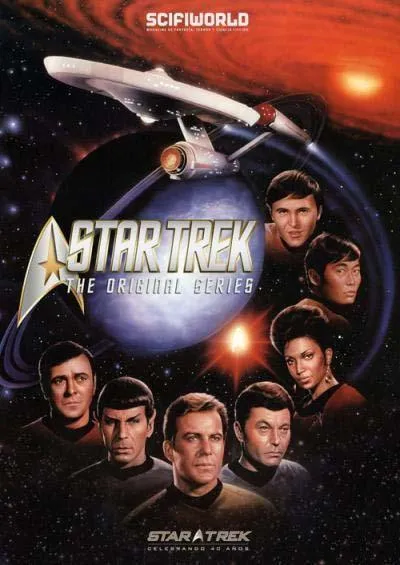
Even outer space has joined the celebration. European Space Agency astronaut Sofi Adeno is aboard the International Space Station with a Starfleet emblem, and special content from orbit is set to be released on September 8. It is hard to think of a more fitting tribute: a franchise that for six decades imagined humanity among the stars is literally celebrating its anniversary in space.
Star Trek is also marking its anniversary through fashion, design and major brands. Today, Le Creuset released a special cookware collection inspired by the franchise, including a pot shaped like the Enterprise, Klingon-style dishes and accessories featuring the famous Vulcan salute. To launch it, one of the themed pots was even sent into the stratosphere on a weather balloon.
But the main reason Star Trek remains relevant is far more interesting than anniversary souvenirs. The original series created an image of the future in which science, technology, cooperation between different cultures and the exploration of new worlds mattered more than fear of them. For 1960s television, this was a fairly radical concept, and it is precisely this that helped the franchise survive across generations.
Many things that once seemed like science fiction have today become part of everyday life or at least real technological developments. Tablets, voice assistants, video calls, handheld communicators — the images Star Trek offered decades ago now look far less fantastical. And the themes the series explored around artificial intelligence, technology ethics, war and human interaction have become even more relevant in 2026.
The anniversary also brings back the story of Viliam Shetner, who played Captain James Kirk. Today, the actor is once again speaking about the franchise to which he devoted a significant part of his career, while fans around the world mark 60 years of a story that began as a small television series and grew into a global cultural system.
Star Trek has turned 60, but its core idea remains remarkably modern: the future is not something to fear, but something that can be created. And perhaps that is why the franchise still does not look like a museum piece. It continues to do what it did in 1966 — make people look ahead.
Also read: Harry Potter Returns: Why HBO Is Opening the Doors to Hogwarts Again
Text: Arina Blyzniuk
Comments
No comments yet — be the first.
Discuss on TelegramRead also
 Web Summit 2026: Lisbon Once Again Becomes the Center of the Global Tech Industry
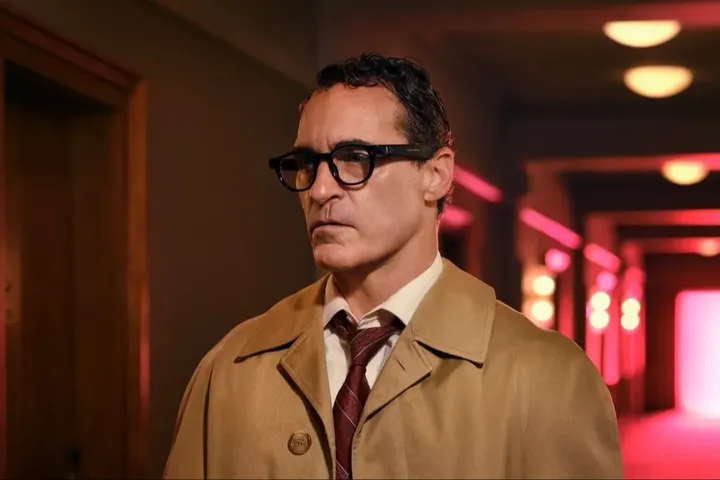 Gentle Monster Creates Smart Glasses with Google and Samsung: Khoakin Feniks Stars in the Campaign
 Melani Perkins and Canva: how one of the most successful women in the tech business is facing the company's biggest crisis