Sidni Svini Didn't Save American Eagle: Why the Iconic American Brand Is Losing Young Shoppers
American Eagle is losing young shoppers despite a large-scale campaign with Sidni Svini. The brand's shares fell 12%, with weak demand, discounts and shifting fashion tastes named as the main problems.
Translated with AI. Original: Українська
American Eagle bet on Sidni Svini, jeans and a return to denim, the core symbol of American fashion. But it was not enough. On September 10, the company's shares plunged by about 12% after a forecast that showed pressure on the brand's profitability. Since the start of the year, the decline has reached about 36%.
A few years ago, American Eagle was one of the most recognizable American brands among young audiences. Jeans, basic T-shirts, underwear and a relaxed American style made the label part of mass culture. But today the situation has changed: shoppers have become much more discerning, trends change faster, and the brand is trying to work out what it should be for a new generation.
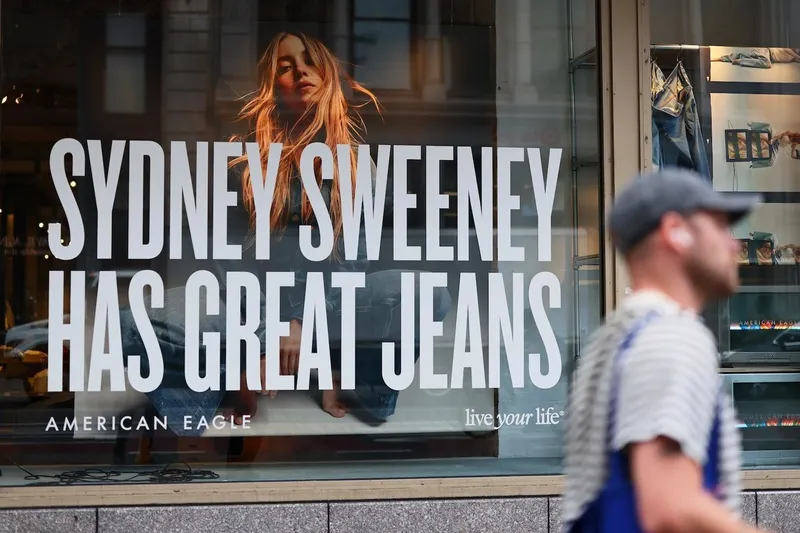
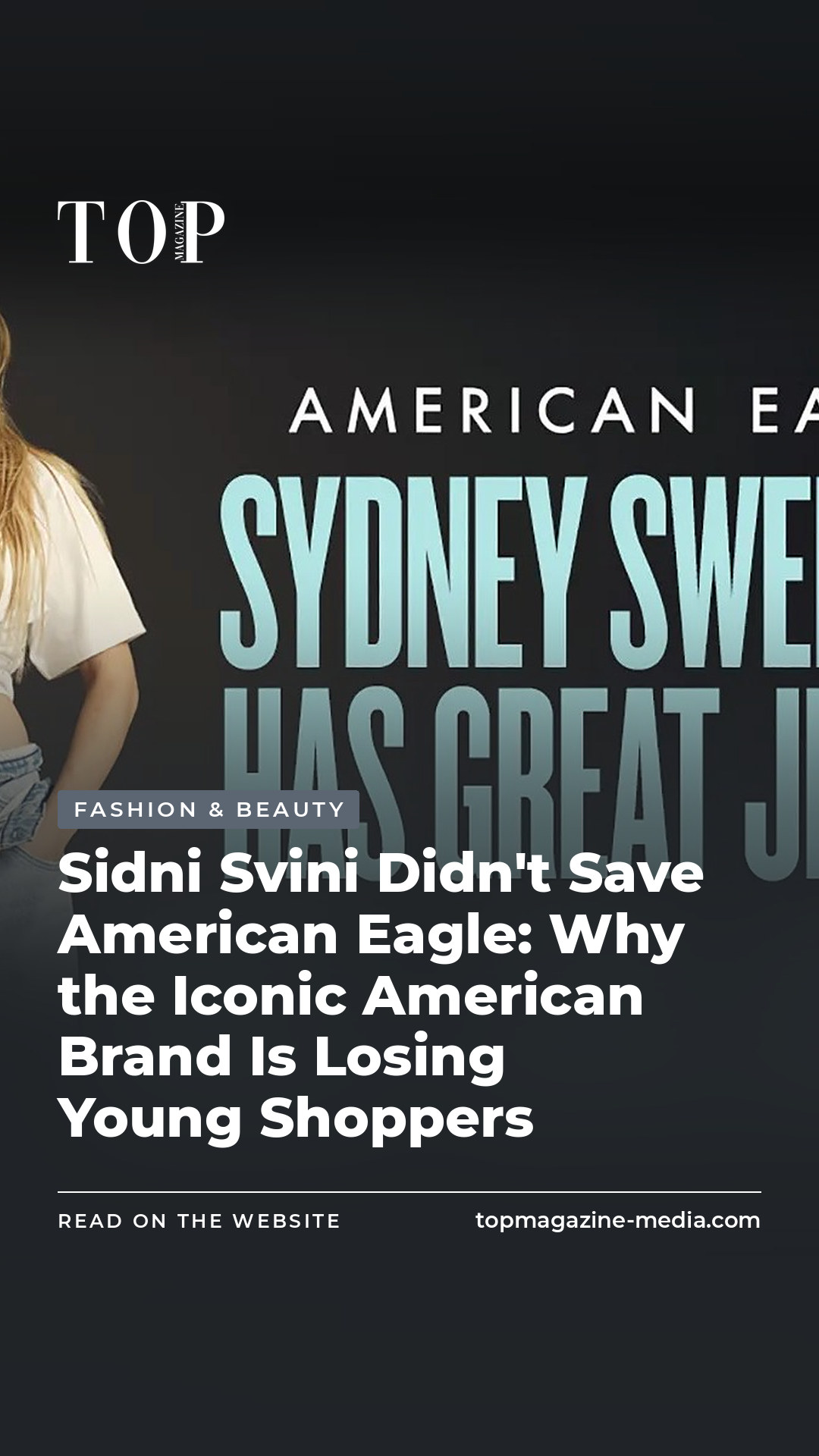
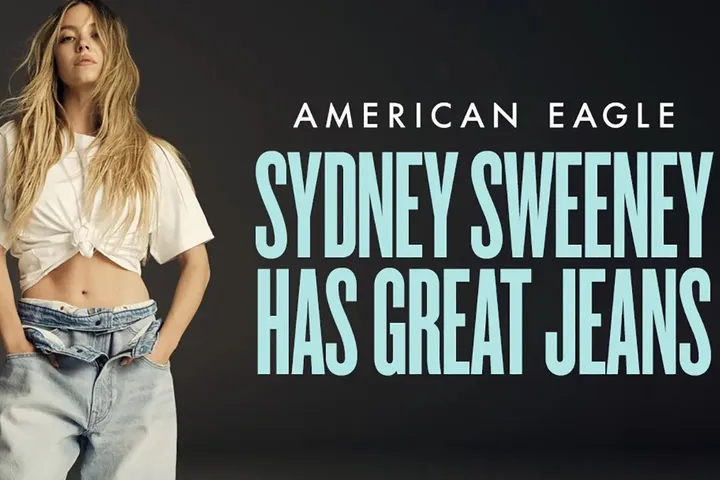
One of American Eagle's main trump cards was Sidni Svini. She was invited to a large-scale advertising campaign, “Great Jeans,” which was meant to bring young shoppers' attention back to denim and make American Eagle a desirable brand again for a generation that grew up on social media. But the advertising success did not translate into a sufficient commercial result.
The problem turned out to be deeper than a single ad campaign. American Eagle is losing ground specifically in women's denim, while its competitors have managed to better sense shoppers' new demands. Among them are Abercrombie & Fitch and Gap, which in recent months have shown stronger results and improved their forecasts for the year.
Particularly telling was the sharp turn in fashion preferences themselves. The company reported that the sudden return of low-rise jeans has left part of its old collections unsellable, which is why American Eagle has had to use discounts more actively to clear its warehouses. The value of the company's inventory rose by 14% over the quarter.
This is one of the main problems of modern mass apparel: it is no longer enough for a brand simply to keep up with fashion. It must anticipate what shoppers will want to wear in a few months. A mistake in one silhouette or fit now quickly turns into millions of dollars of unsold clothing.
Against this backdrop, the situation with Aerie looks especially interesting. Aerie, a women's underwear and activewear brand owned by American Eagle, continues to show stronger results, but its success can no longer fully offset the weakness of the core American Eagle brand.

Analysts also point to another problem: American Eagle is losing the clarity of its own image. It is hard for the brand to remain an accessible classic American clothing label, speak the language of young audiences and compete with brands that respond more quickly to changes in fashion.
That is why the story of American Eagle matters more than one bad quarter. It shows how hard it is today for a brand to remain culturally relevant. Even a major advertising campaign with one of the world's most popular young actresses does not guarantee that the shopper will walk into a store.
In American Eagle's case, the problem is not that people have stopped wearing jeans. On the contrary, denim has once again become one of the central elements of the wardrobe. The problem is that the shopper has changed, and with them the very idea of what “right” jeans should be has changed.
American Eagle now has to prove that it can change faster than its own history. Sidni Svini drew attention to the brand. But only the clothes themselves can bring the shopper back.
Also read: Bloggers No Longer Want to Advertise Brands. They Want to Own Them
Text: Arina Blyzniuk
Comments
No comments yet — be the first.
Discuss on Telegram