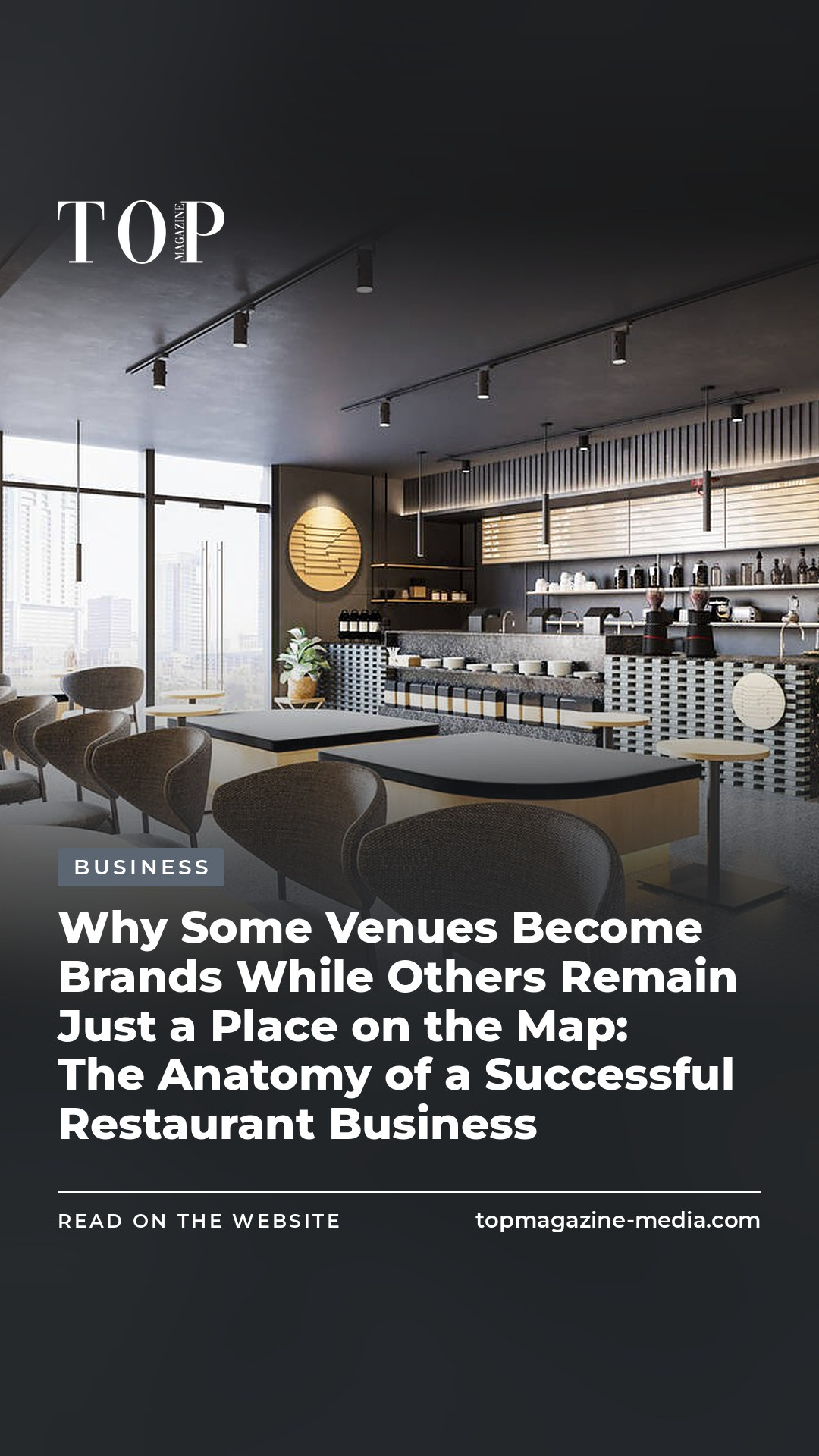
Why Some Venues Become Brands While Others Remain Just a Place on the Map: The Anatomy of a Successful Restaurant Business
Why do some restaurants become gastronomic brands while others remain just venues? We examine the role of concept, service, reputation, communication and the guest experience.
Translated with AI. Original: Українська
In the restaurant business, there are venues that people simply visit, and there are those that become part of city culture. For one, people book a table weeks in advance, another they tell friends about, and for a third they travel specially from other cities. Sometimes they offer similar cuisine, have roughly the same price level and work with the same audience. Yet some turn into recognizable brands, while others for years remain one of many venues in the neighborhood. The difference lies not only in the quality of the product, but in what the business creates around it.
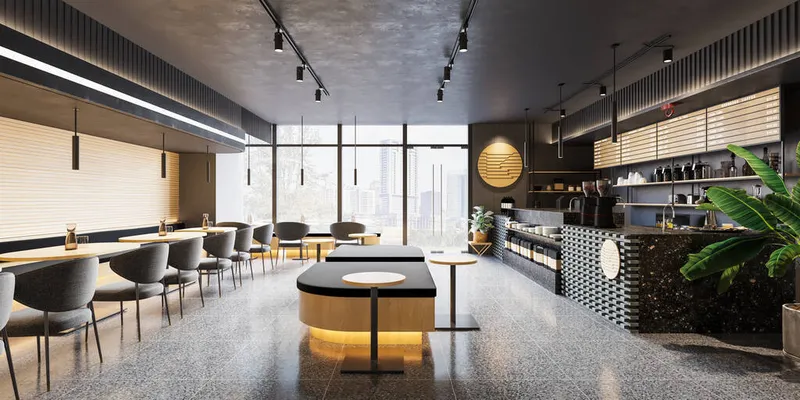
The first step toward a brand is a clear idea. A venue must understand who it is, who it works for and how it differs from competitors. It may be an author's cuisine, a special atmosphere, a specific gastronomic culture or a distinctive view of hospitality. It is important that the concept is not limited to a pretty name and interior. It should show up in the menu, communication, music, the design of the space, the work of staff and even in how the guest is greeted at the entrance. When all elements support one idea, the venue becomes recognizable.
The second factor is the experience the guest receives. A delicious dish may be the reason for a first visit, but it is far from always a guarantee of a return. People remember much more: whether it was comfortable, how attentive the staff were, whether the atmosphere met expectations, whether care was felt in the details. That is why strong restaurant brands work not only on the menu but on the entire customer journey, from first encountering the venue on Instagram to the moment the guest leaves after dinner. The product satisfies a need, while a cohesive experience forms an emotional connection with the brand.
Recognizability is no less important. In today's restaurant business, a brand exists not only inside the premises. It is present on social media, in reviews, recommendations, guests' photos, media publications and partnership projects. Visual language, tone of communication, signature dishes and even the way the bill is presented gradually shape an image that people begin to associate with a particular place. Yet the number of followers alone does not make a restaurant a brand. If beautiful content is not backed by consistent quality and a clear idea, the audience's attention rarely turns into long-term loyalty.
Another fundamental difference is consistency. A venue may have a successful launch, get recommended by bloggers or become popular thanks to one viral dish. But a brand is not built on a single news hook. It is formed through repeated experience, when the guest knows what to expect and receives it regardless of the day of the week, staff changes or how busy the hall is. This requires service standards, a strong team, quality control and clear business processes. Real recognition begins where quality stops depending solely on the presence of the owner.
The community plays a special role. The strongest venues gradually become places for meetings, occasions for celebrations and part of guests' personal stories. People come there not only to eat, but to mark an important event, spend an evening with friends, meet new people or simply feel a familiar atmosphere. A restaurant can develop this interaction through gastronomic dinners, seasonal menus, collaborations with local brands, cultural events and personal communication with regular guests. As a result, what takes shape is not just a customer base, but an audience that voluntarily recommends the venue to others.
At the same time, not every restaurant has to become a large chain to be considered a brand. Sometimes a single location with a clear concept, strong reputation and loyal audience has far greater recognizability than several venues without a shared identity. Scaling without an established brand only increases the number of points, but does not guarantee growth in the value of the business.
A venue sells dishes, drinks and services. A brand sells feelings, trust and a reason to come back. That is why some places remain merely a mark on the map, while others become gastronomic landmarks that people talk about even if they have never been there. In the long run, the winner is not necessarily the one with the most expensive interior or the most complicated menu, but the one who has managed to turn their own idea into a consistent experience that people recognize, value and want to choose again.
Also read: Open Kitchen: Why Restaurants No Longer Hide Anything
Text: Arina Blyzniuk
Comments
No comments yet — be the first.
Discuss on Telegram