Life Without “Have To”: Khrystyna Pavliukh on the Right to Choose Yourself
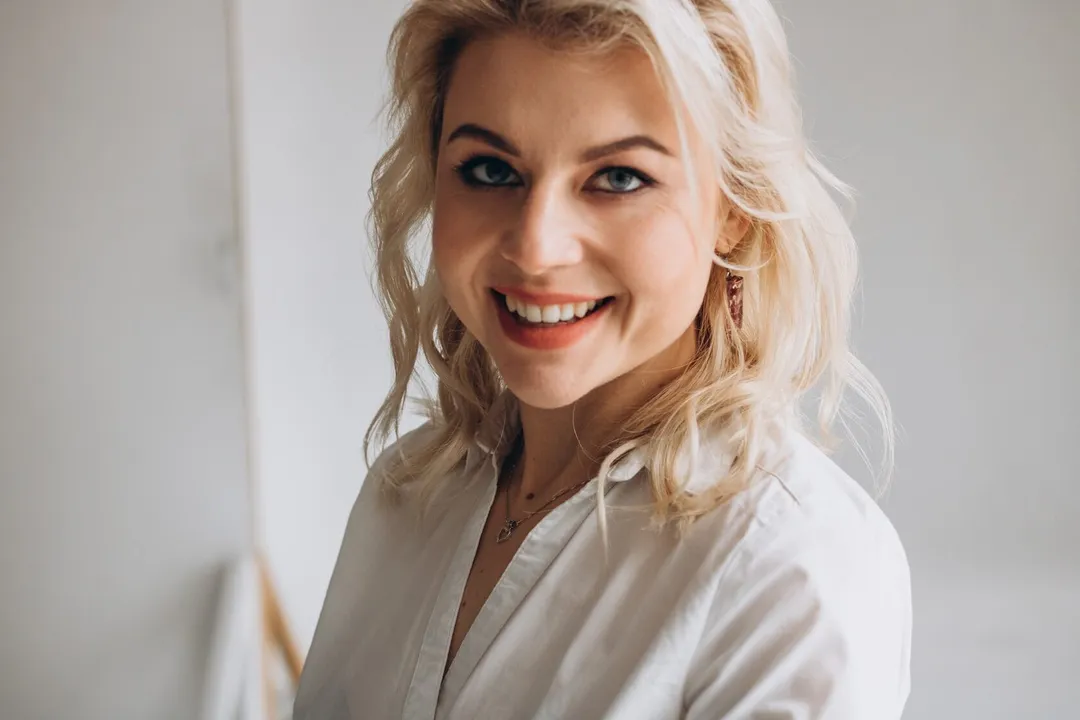
Khrystyna Pavliukh is a psychologist who works with women on self-esteem, relationships, personal boundaries and self-fulfillment. About her path from pedagogy to psychology, the strength of being imperfect and a life without other people's scripts.
Translated with AI. Original: Українська
Pedagogy, foreign languages, years of life and work in Germany, psychology and her own practice. Khrystyna Pavliukh's professional path is hard to fit into a single job title. Yet today all its parts are united by one theme: the person and their right to live not by someone else's script.
“And what do I want?” — a question that sounds simple only at first glance. For many women, the answer turns out to be harder than deciding on a new job, a relationship or another change in appearance.
We know well how “have to” sounds. You have to be successful. You have to look good. You have to build a career, have harmonious relationships, cope, not complain, keep moving forward. Much less often are we taught to stop and ask ourselves: is this life even mine?
These are the questions psychologist Khrystyna Pavliukh works with today.

A path that was not a straight line
Her story is not like a classic biography, where a profession is chosen once and for all.
Khrystyna's first education is pedagogical. Later came foreign languages, teaching, work with different people and a significant period of life in Germany. Each of these stages gave her new experience: explaining complex things in simple words, listening to an interlocutor, adapting to a different environment, observing how people think, learn and change.
And then psychology appeared in her life.
Not as another diploma in a professional biography, but as a field where, for the first time, a clear inner sense emerged: “This is really where I belong”.
And this path began not with a desire to work with others, but with work on herself.
Studies, professional courses, the search for answers and attempts to understand her own reactions gradually led Khrystyna to practice. Even today she does not see psychology as a profession that can be mastered once, receive a diploma and stop there. The person changes, and the specialist changes too, along with their view of the client, the problem and possible solutions.

What really stands behind “I want to lose weight”
Women are the majority of those who come to Khrystyna. Self-esteem, relationships, personal boundaries, money, self-fulfillment, body, weight, searching for oneself after major life changes — the requests are very different.
But, in her observation, the most interesting part often begins when the initial request stops being the main one.
A woman may come wanting to lose weight and, in the course of the work, realize that for years she has been trying to earn someone's approval. Another starts with difficulties in her relationship and gradually comes to the question of why she is not used to choosing herself at all.
Behind the wish to change one's body there can sometimes be exhaustion from the need to be convenient. Behind a relationship crisis there can be a lack of understanding of one's own desires.
And this is where psychology stops being a story about how to “fix” yourself. It becomes a way to hear yourself.
“Everyone does it” is no longer an argument
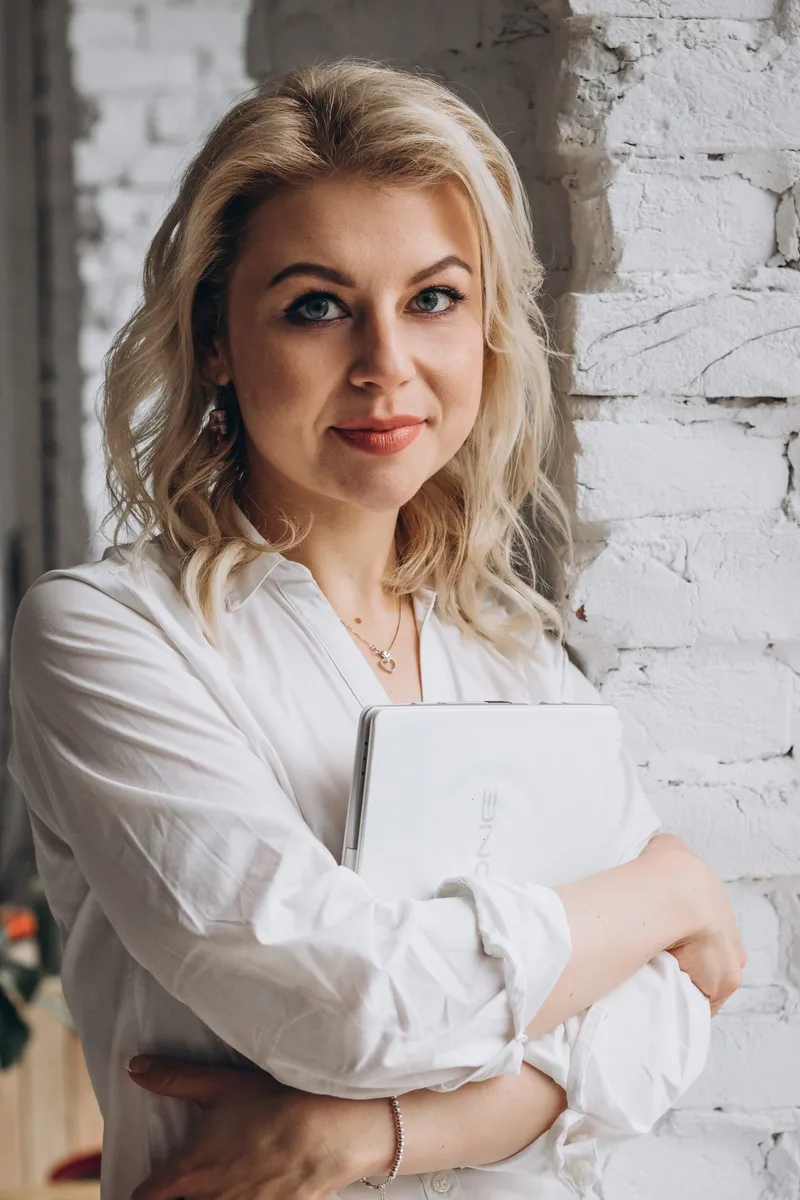
Khrystyna notices an important shift: people are increasingly less willing to simply endure what does not suit them.
The phrase “everyone does it” is gradually losing its force. In its place come far less comfortable but more honest questions: “Is this really my life? Am I really the one choosing it?”
For Khrystyna, this is one of the most important changes in the modern attitude to psychology: a person comes not because they need to be “repaired,” but because they want to understand themselves better.
Working with other people's stories has changed Khrystyna herself. She has learned not to rush to conclusions.
It is easy to call a person weak, lazy, dependent or insecure when you do not know what lies behind their behavior. The profession taught Khrystyna to look deeper — and at the same time to be more patient with herself. A mistake no longer has to be proof of one's own inadequacy, and life no longer has to be an endless attempt to live up to an ideal.
Strength is not always enduring a little longer
Perhaps one of Khrystyna's strongest thoughts sounds exactly like this: strength does not always mean holding on a little longer.
Sometimes strength means admitting that something is hard. Asking for help. Telling yourself that the old way of living no longer works. And allowing yourself to start over.
For a woman from whom society often simultaneously expects success, beauty, fulfillment, strength and absolute composure, this is almost a radical right — not to be perfect.
“It is hard for me” does not mean “I am weak”. “I want something different” does not mean “there is something wrong with me”.
From personal practice to an ecosystem for women
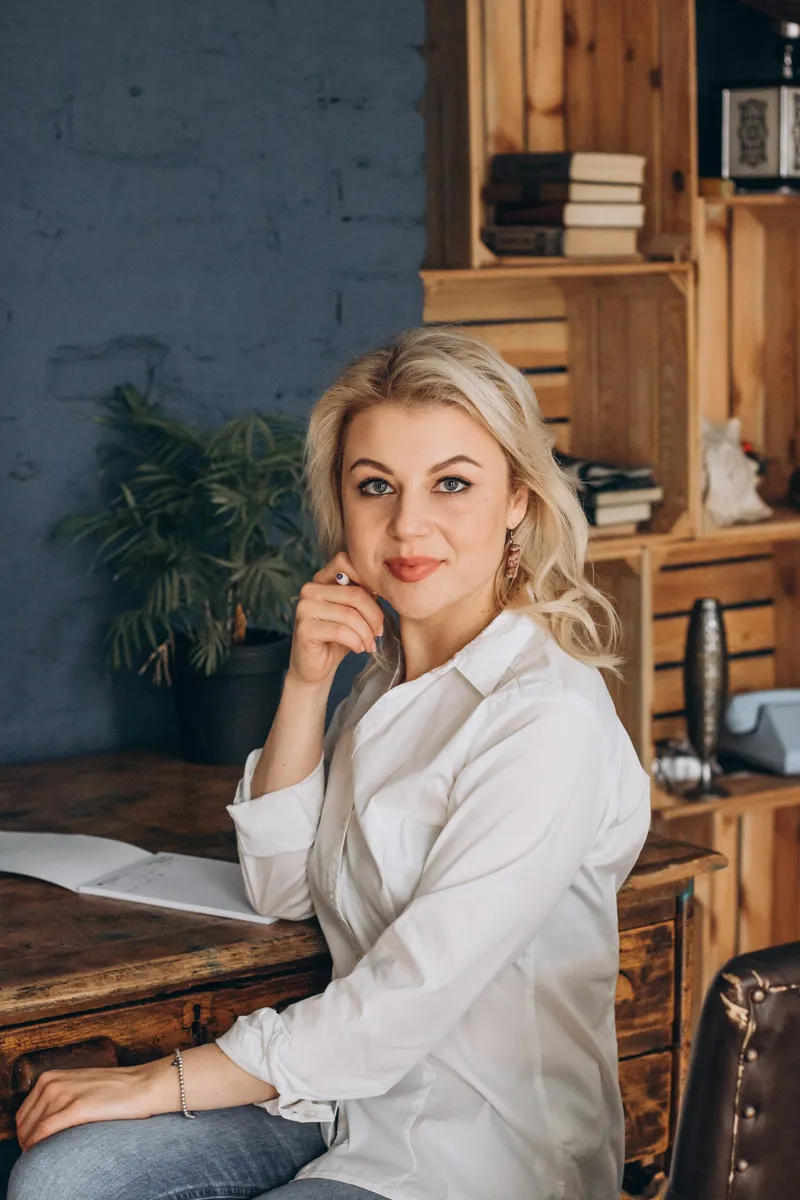
Khrystyna sees the next professional stage already beyond individual practice.
Her goal is to create a space for women where psychological support is combined with knowledge, education, group work and development. Among the plans are her own psychological programs, educational projects, work with groups, books and scaling up her practice.
But behind all these plans stands not a desire to create yet another beautiful concept of a “successful woman”. Quite the opposite.
For Khrystyna, women's self-fulfillment begins where the need to match someone else's idea of the right life ends.
Without endless “have to”. Without “that is how it is done”. Without “this is what is expected of me”. With a simple, but sometimes very brave: “And what do I want?”
The right to one's own life
Khrystyna continues to learn, travel, come up with new projects and dream. And perhaps this is exactly where the important difference lies between simply achieving goals and truly living: not ceasing to ask yourself what you want next.
Her professional goal sounds both large-scale and very personal — to help as many women as possible believe in themselves enough to allow themselves to change what has long ceased to be theirs.
Not to become someone else. Not to live up to another ideal. Not to turn into a “better version of yourself” according to rules written by someone else.
But to reclaim the right to one's own life.
Because perhaps the most important transformation begins not with a decision to change everything, but with one honest question:
“If I did not have to prove anything to anyone — what would I really want?”
Also read: Anna Hrushovenko: «Let's Go! We'll Figure It Out Later!»
Text: Editorial team
Comments
No comments yet — be the first.
Discuss on Telegram