Beauty behind every door: how beauty advent calendars became luxury collections
Dior, Byredo, Charlotte Tilbury and Revolve are presenting beauty advent calendars for 2026. How holiday sets have turned into luxury gifts and collectible objects.
Translated with AI. Original: Українська
The beauty advent calendar is no longer limited to a set of miniatures before Christmas. In the 2026 season, brands are turning it into a full-fledged gift object, with perfumes, skincare, makeup and items for a home beauty ritual. Such calendars can cost hundreds and even thousands of dollars, and the sets themselves often become coveted well before the holidays begin.
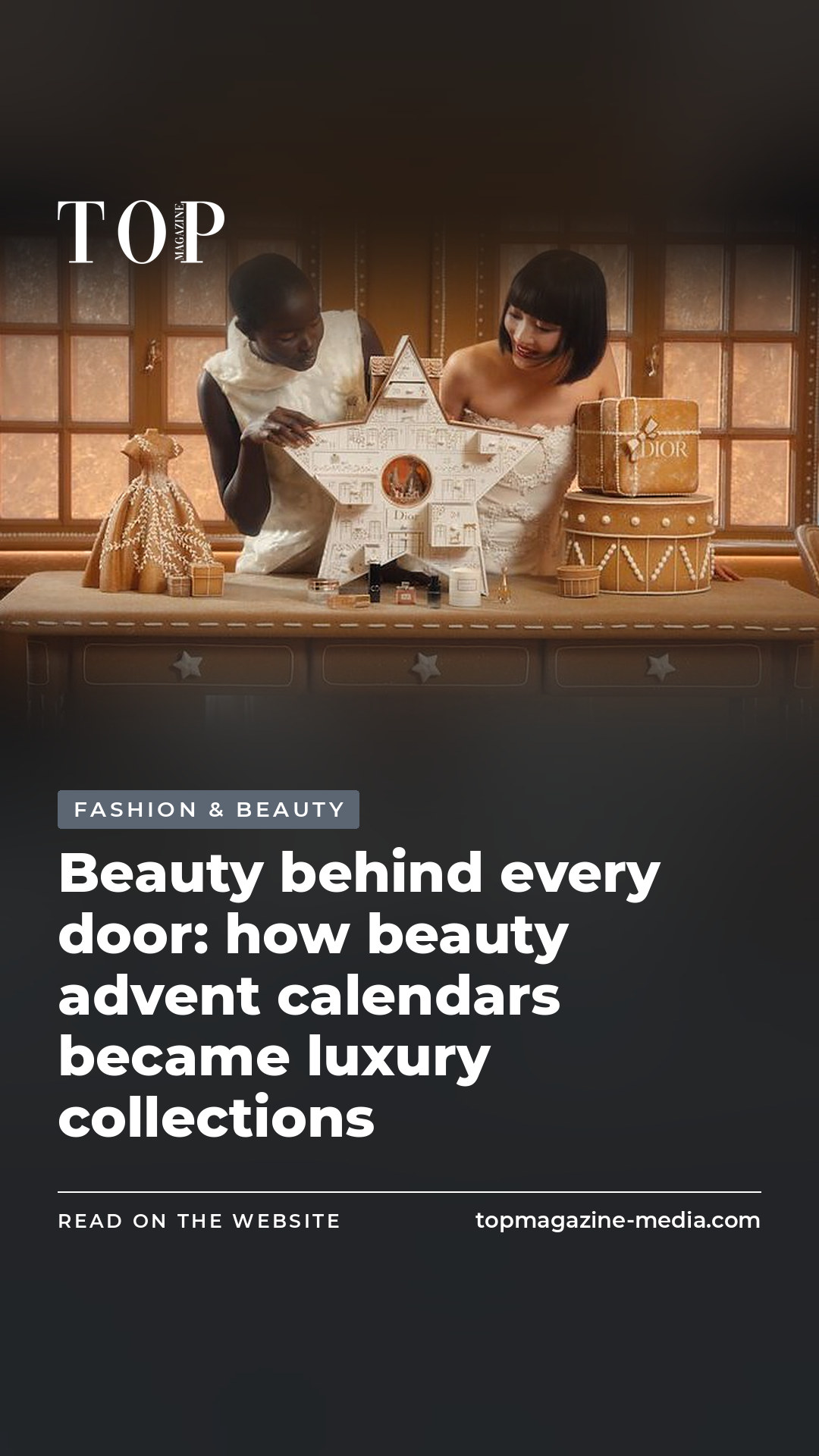
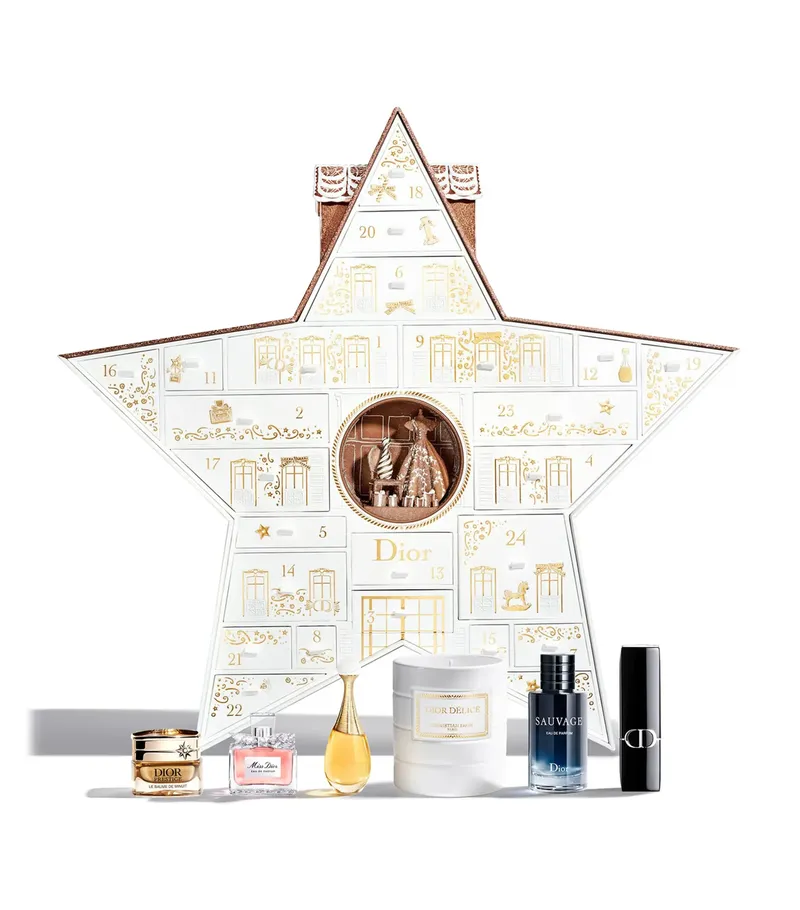
One of the most expensive examples is the Dior Le 30 Montaigne for $800. Inside are 24 gifts: fragrances, decorative cosmetics, skincare products, a candle and Christmas tree ornaments. For the brand, the packaging matters as much as the contents: the calendar recreates the facade of Dior's legendary Parisian address and is designed as an object one wants to keep after the holiday season ends.
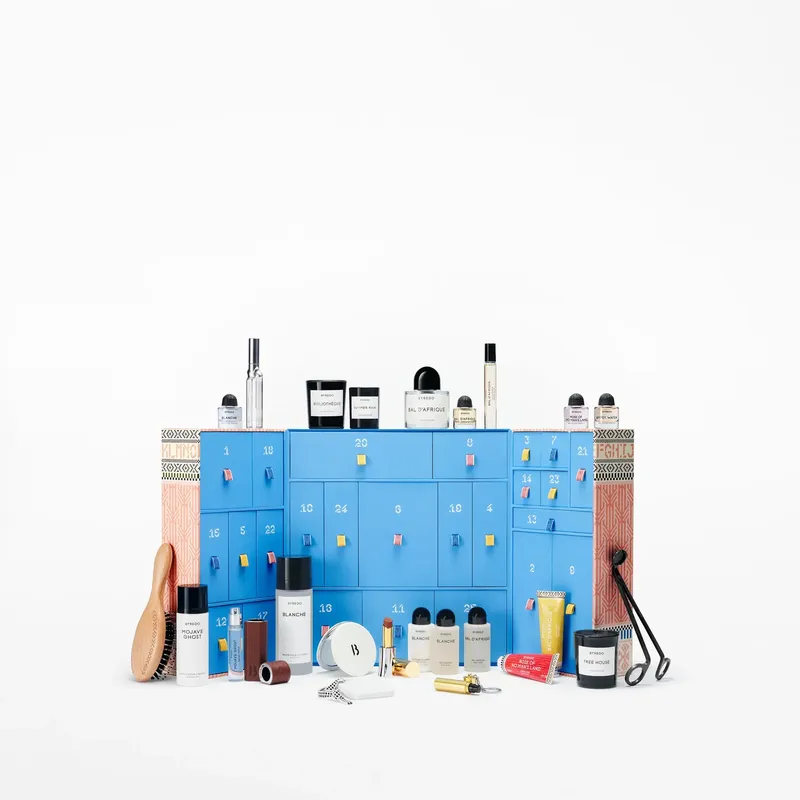
Byredo offers another model: its calendar for $955 contains 25 aromatic and lifestyle products, including perfumes, a scented candle, hair perfume, body mist and accessories. Here beauty goes beyond the vanity case and extends into the home, from the scent of a room to everyday rituals.
More accessible options come from Charlotte Tilbury and Revolve. The Charlotte Tilbury calendar costs $220, while Revolve's 25-day set costs $150 with a stated retail value of its contents at $950. It combines travel-size formats and full-size products, so the buyer can try different brands in one set. At the same time, the stated value does not mean that every buyer would personally value all the products at that amount.
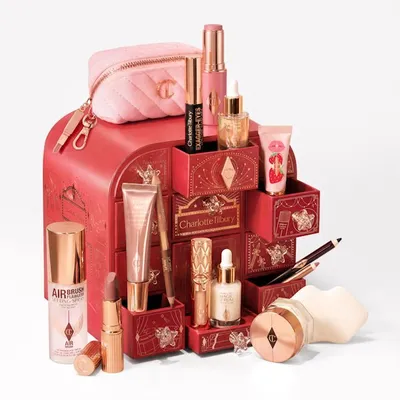
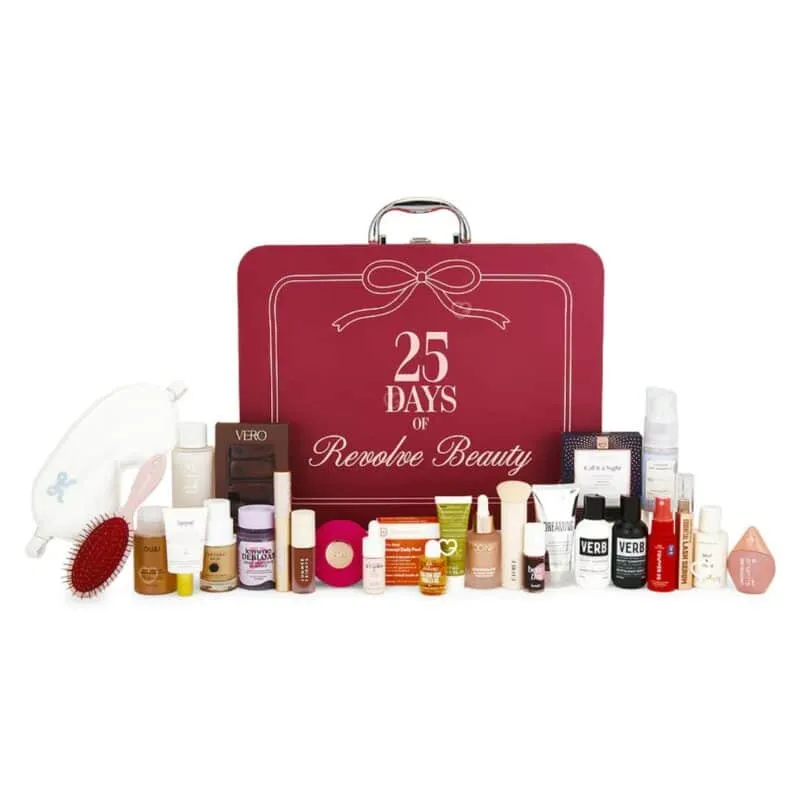
The secret of advent calendars' popularity lies in the combination of anticipation, limited supply and the feeling of small daily luxury. Brands are selling not just cosmetics but a script: open a new door, find a familiar product or an unexpected accessory, and turn an ordinary morning into a ritual. And the decorative packaging extends the life of the calendar even after all the gifts have been opened.
For the luxury industry, this is also a way to introduce customers to several product categories at once, from perfumery to skincare and home items. The advent calendar becomes a kind of miniature brand showcase, where each day sustains interest in the next reveal. And the more thoughtfully the contents, design and product stories are combined, the more easily the calendar is perceived not as a festive box but as a standalone collectible object.
Also read: Kendall Jenner and $500 million: how K-beauty learned to sell without celebrities
Text: Arina Blyzniuk
Comments
No comments yet — be the first.
Discuss on Telegram