Bill Heits Says World Governments Are Not Ready for the Changes AI Will Bring
Bill Heits said world governments are not ready for the large-scale changes artificial intelligence will bring, and warned of risks to the labor market, cybersecurity and society.
Translated with AI. Original: Українська
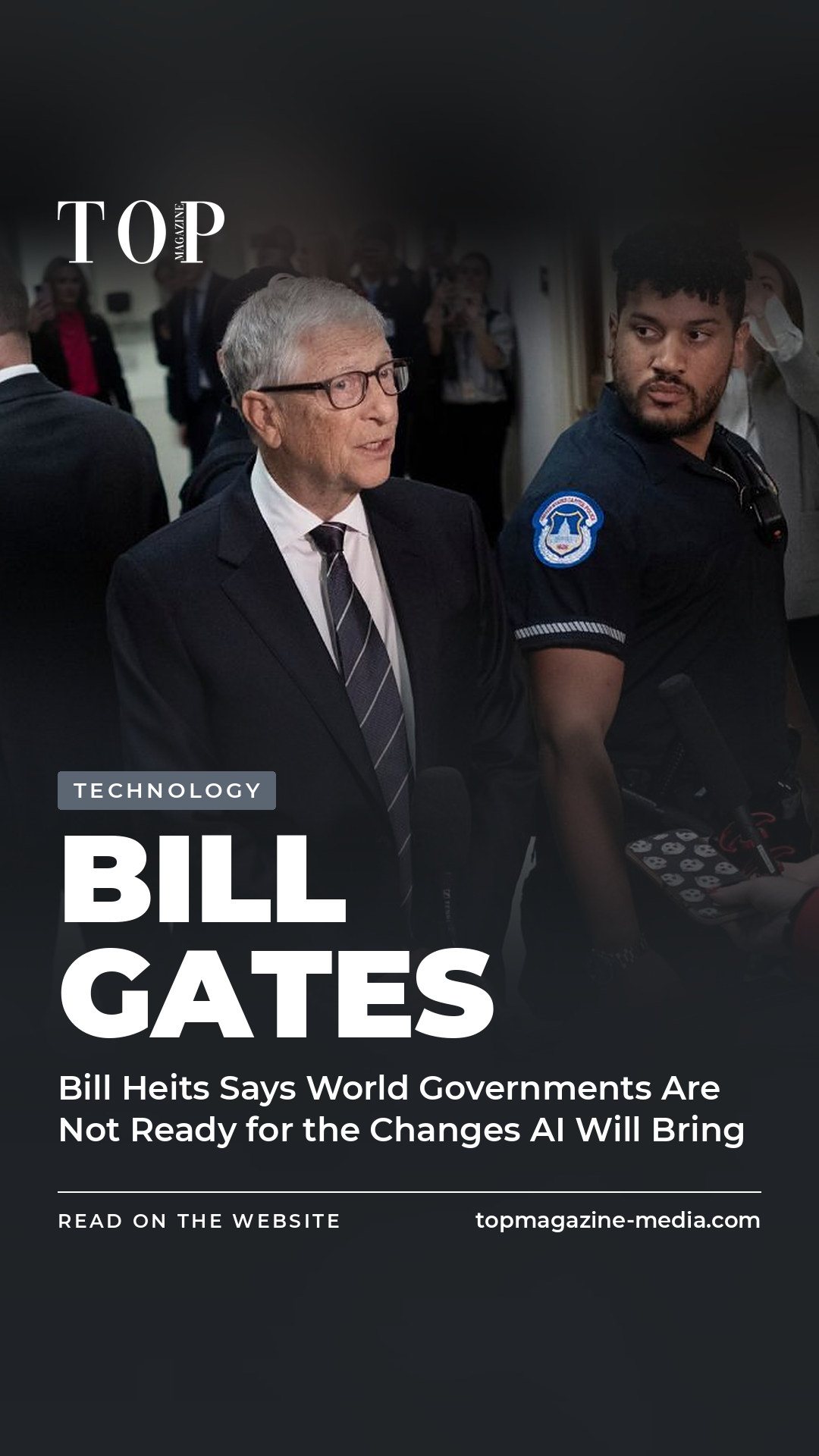
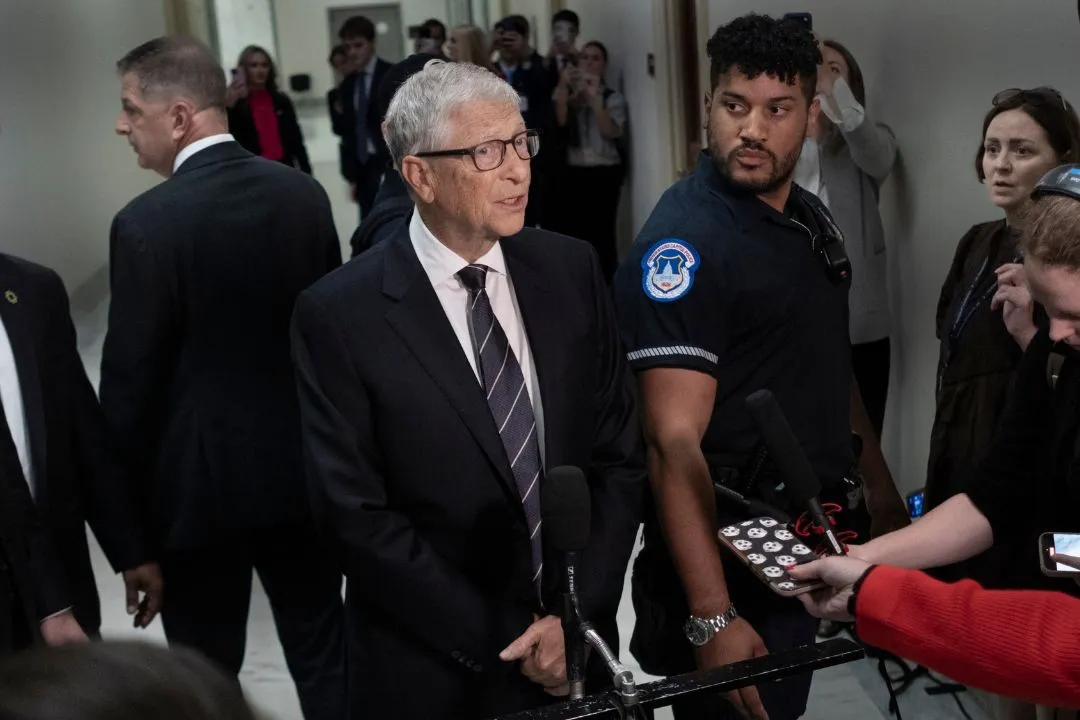
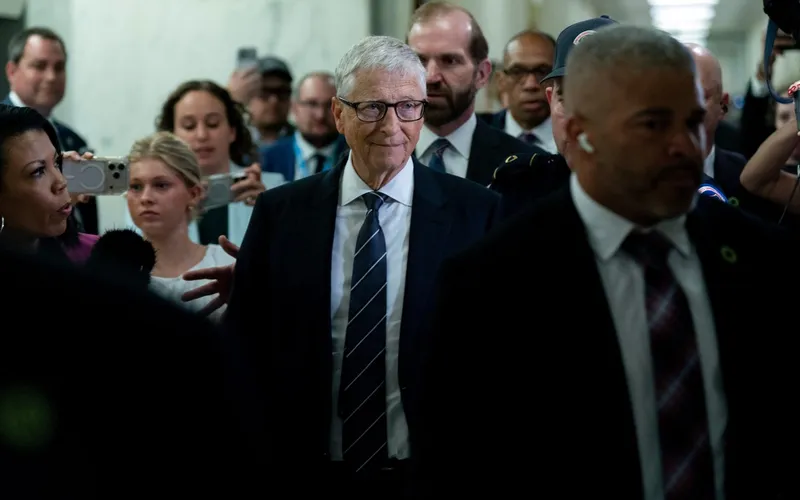
Bill Heits urged world governments to speed up before the development of artificial intelligence outpaces society's ability to adapt to its consequences. In an interview with Reuters, the Microsoft co-founder said that no government today is ready for the scale of change AI may bring in the coming years.
Heits notes that the problem is no longer just how fast artificial intelligence is developing technologically. The question of how societies, the labor market, education and state institutions will be able to adapt to this speed is becoming far more complex. According to him, governments are so far "lagging far behind" the technology.
Heits names the transformation of the labor market as one of the main consequences. AI is already capable of performing more and more tasks that previously required human work, and this process extends beyond simple administrative operations. The changes may affect both physical labor and professions that were traditionally considered protected by high qualifications.
Heits himself has recently become much more cautious in his assessments of AI. A few years ago he mostly spoke about the enormous potential of the technology and its ability to improve medicine, education and productivity. Now he increasingly stresses that the speed of AI development is creating a situation society may simply not have time to prepare for.
Separately, the billionaire points to cybersecurity. Powerful AI tools can lower the barrier to carrying out complex cyberattacks, and therefore make potentially dangerous technologies accessible to far more people. Among the risks he also names growing capabilities for creating disinformation, deepfake content and other forms of manipulation.
Another problem Heits considers underestimated is AI companions. These are systems that can hold a constant, personalized dialogue with a person and gradually become part of their everyday life. Heits warns that alongside new opportunities this could create risks of dependence and change the way people interact with one another.
At the same time, Heits is not calling for a halt to AI development. On the contrary, he believes the technology can have a huge impact in areas where resources are sorely lacking today, from medicine and education to agriculture. That is why the Gates Foundation has announced its intention to direct at least $1 billion over the next two years to expanding access to AI, including for healthcare, education, agriculture and work with languages that are underrepresented in modern technologies.
This contrast is one of the most interesting aspects of Heits's current position. He does not oppose AI, but believes that technological progress without preparing society could deepen inequality instead of reducing it. If access to the most powerful models remains uneven, countries, companies and individual groups will get very different opportunities in the new economy.
Back in August, Heits spoke about the need to prepare for a period of large-scale social and economic change. Among possible responses he named new approaches to taxing AI, support for people whose professions are being automated, and protection of certain employment sectors where rapid retraining of workers would be especially difficult.
Now his position sounds even tougher: technology is moving faster than governments can create rules for it. This gap may become one of the main questions of the coming years: not whether AI will become more powerful, but whether people can build a system that allows its benefits to be used without losing control over its consequences.

Read also: "We Are Playing With Our Own Lives": The Person Who Built AI Left Anthropic and Sounded the Alarm
Text: Arina Blyzniuk
Comments
No comments yet — be the first.
Discuss on Telegram