Dinner Without a Menu: Why Tasting Menus Have Become the New Language of Fine Dining
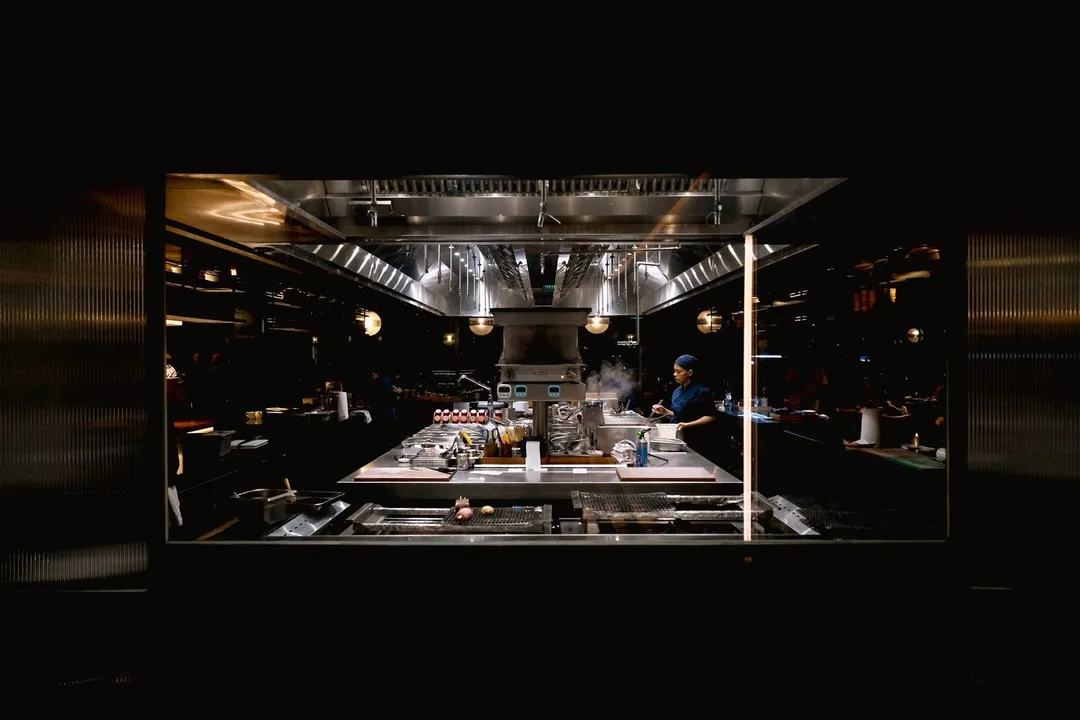
More and more restaurants are offering guests not a choice among dozens of dishes, but a single gastronomic story created by the chef. Tasting menus turn dinner into a journey in which every course has its place and continues the one before.
Translated with AI. Original: Українська
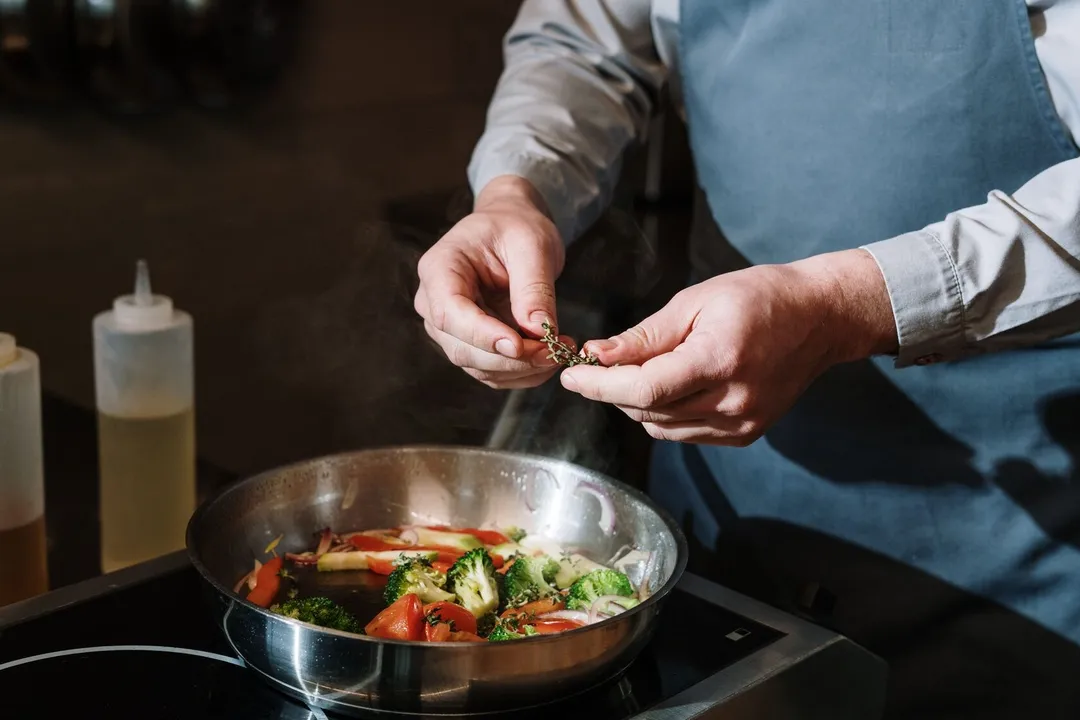
The phrase "trust the chef" is heard more and more often today. In many restaurants around the world, guests no longer open a large menu but agree to a signature tasting set—a sequence of dishes entirely shaped by the kitchen team.
This format changes the very philosophy of dinner. The guest stops choosing individual items and instead receives a cohesive gastronomic script in which flavor, rhythm, textures, aroma and even the order of service all matter.
Each course has its own role. Some introduce the concept of the menu, others surprise with unexpected combinations, and the final accents leave behind an emotion that is hard to repeat.
That is why tasting sets often consist not of three or four courses, but of ten, twelve or even twenty small servings. This allows the chef to fully reveal their own style and show what seasonal products can do.
This format also makes dinner more personal. Before service begins, the team clarifies allergies, dietary habits and the guests' preferences, after which it adapts individual dishes without breaking the overall concept.
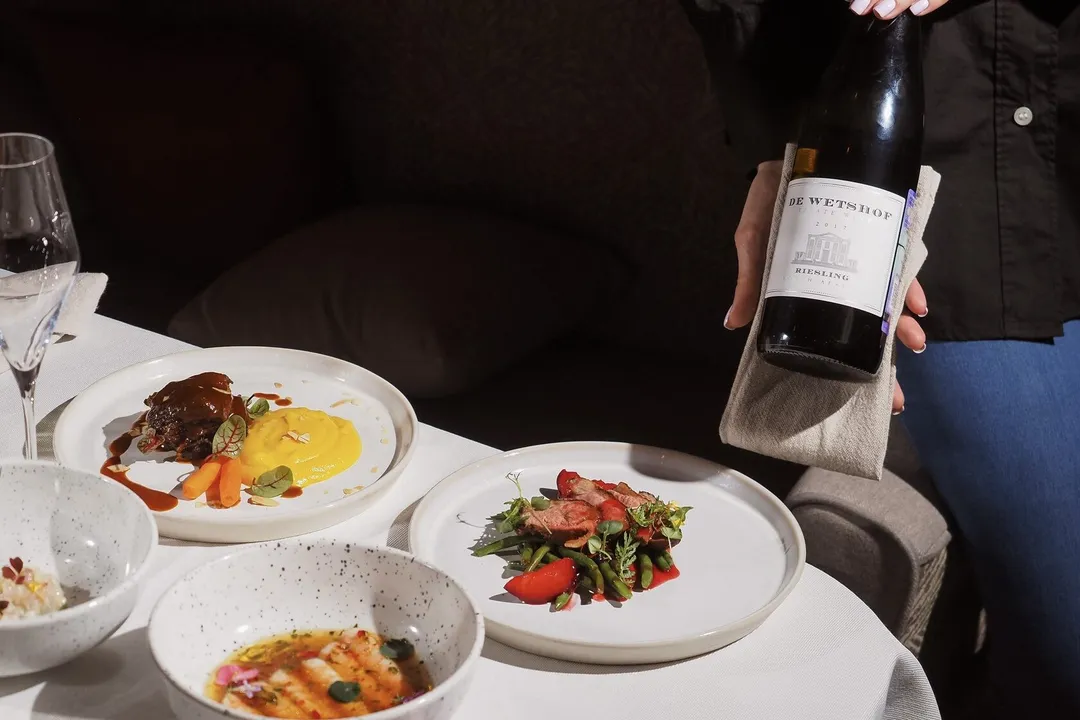
Tasting menus are increasingly accompanied by specially selected drinks, signature ceramics, unusual presentation and carefully considered service. As a result, the restaurant creates not just a dinner, but a full-fledged cultural experience.
This is precisely where the main value of fine gastronomy lies. It no longer competes on the number of courses or the size of portions. Its strength lies in the details that turn an ordinary meal into an event worth remembering long after the last dessert.
Read also: Open Kitchen: Why Restaurants No Longer Hide Anything
Text: Arina Blyzniuk
Comments
No comments yet — be the first.
Discuss on Telegram