
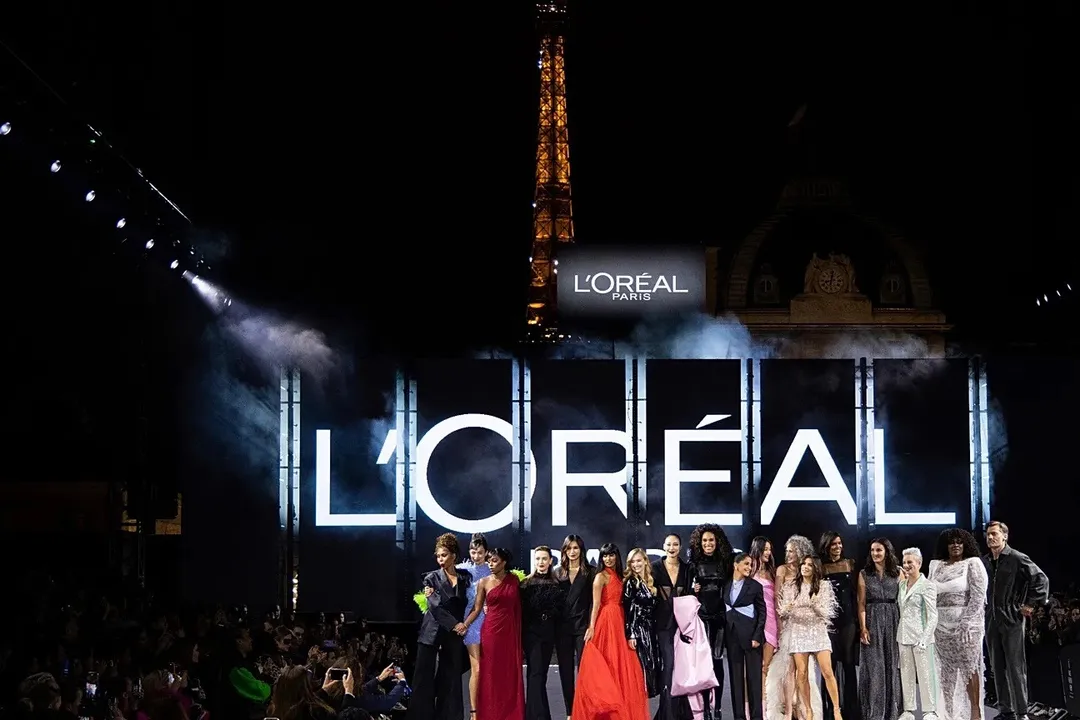
L’Oréal Overtakes LVMH in Market Value: Is Cosmetics Becoming the New Symbol of French Luxury?
In September 2026, L’Oréal overtook LVMH by market capitalization. Why is the cosmetics business growing amid difficulties in the luxury market, and is the perception of French luxury changing?
Translated with AI. Original: Українська
On September 15, 2026, L’Oréal overtook LVMH to become France’s most valuable listed company. At the close of trading, the cosmetics giant’s market capitalization stood at about €203 billion, while the group that owns Louis Vuitton, Dior and other luxury brands was valued at roughly €201 billion. The gap was small but symbolic: for the first time since 2017, the top spot on the French stock market went to a company from outside the traditional luxury sector.
The reason for this shift is not only the success of the cosmetics business but also a difficult period for the market for high-end goods. Since the start of 2026, LVMH shares have fallen significantly amid weak demand, economic difficulties in China and uncertainty in key markets. High prices for luxury goods add further pressure: for some buyers, designer bags, clothing and jewelry have become less affordable. Against this backdrop, investors are looking more closely at companies able to show more resilient results.
L’Oréal operates across several segments, from mass-market cosmetics to professional hair care, dermatological products and premium beauty products. The group’s portfolio includes Lancôme, Yves Saint Laurent Beauty, Kiehl’s, CeraVe, La Roche-Posay and Garnier. This structure allows the company to reach different audiences: buyers looking for affordable everyday care, and those willing to pay more for premium formulas, fragrances and cosmetics. In the first half of 2026, L’Oréal’s sales rose 5.8% on a reported basis, to €23.77 billion.
One factor behind the resilience of the beauty market is the so-called “lipstick effect”. The term describes a trend in which, during periods of economic uncertainty, consumers more often choose relatively small purchases that bring pleasure instead of expensive acquisitions. A lipstick, perfume or skincare product can remain an affordable luxury even when a purchase of a bag costing several thousand euros is put off. This does not mean cosmetics are immune to economic pressure, but their price range gives brands the opportunity to work with a wider audience.
At the same time, market capitalization is not revenue or profit. It reflects the stock market value of all of a company’s shares and depends on how investors assess its future prospects. Therefore, L’Oréal’s overtaking of LVMH does not mean that it sells more products or earns more money. It signals a shift in market sentiment: investors are reassessing the risks of traditional luxury and the prospects of companies whose business covers a broader range of consumer spending.
Does this mean the center of gravity in the luxury industry is shifting from handbags and clothing to cosmetics, skincare and fragrances? For now, it is too early to speak of a lasting change of leader: the difference between the companies was marginal, and stock market valuations can change daily. Still, the situation shows that modern luxury is no longer just fashion houses and iconic accessories. The beauty business has become a powerful independent segment, combining scientific development, global distribution, recognizable brands and steady demand. And now it is at the center of attention of the French stock market.
Read also: Lady Gaga Becomes CEO of Haus Labs: Singer Takes Personal Control of Her Beauty Empire
Text: Arina Blyzniuk
Comments
No comments yet — be the first.
Discuss on TelegramRead also
 An Island for Millions, a Personal Chef and No Unnecessary People: What Luxury Looks Like When Nobody Posts About It
 The End of the Logo Era? Why Luxury Business Can No Longer Sell Status the Way It Used To
 A New Status Symbol: A Private Farm — Why Successful Founders Are Buying Land Instead of Another Yacht