McLaren Breaks Its Own Rules: Brand Invests $675 Million and Will Build Its First SUV
McLaren is investing £500 million in production and will build an SUV for the first time. The British brand will also develop its own engines and transmissions and open a new factory.
Translated with AI. Original: Українська
For decades, McLaren built its reputation as a maker of lightweight supercars, where speed, technology and a maximum focus on driving were the core values. Now the British marque is taking a step that few expected from it for a long time: McLaren will create its first SUV.
On September 16, the company announced a large-scale investment program of £500 million, or about $675 million, which is meant to expand McLaren's production and engineering capacity in the United Kingdom. Part of the funds will go to a new assembly plant and the development of its own engines and transmissions, while the high-performance SUV will be the central element of the new strategy.
For McLaren, this is much more than just a new model. The company is trying to expand its audience and increase sales volumes without abandoning supercars. The SUV will allow the brand to appeal to affluent customers who need a vehicle with a larger cabin and practicality, but who do not want to give up the status of a McLaren.
This move has already changed the entire ultra-luxury car segment. Ferrari has the Purosangue, Lamborghini has the Urus, Aston Martin has the DBX, and Bentley has long built a significant part of its business around the Bentayga. Now McLaren will join this category.
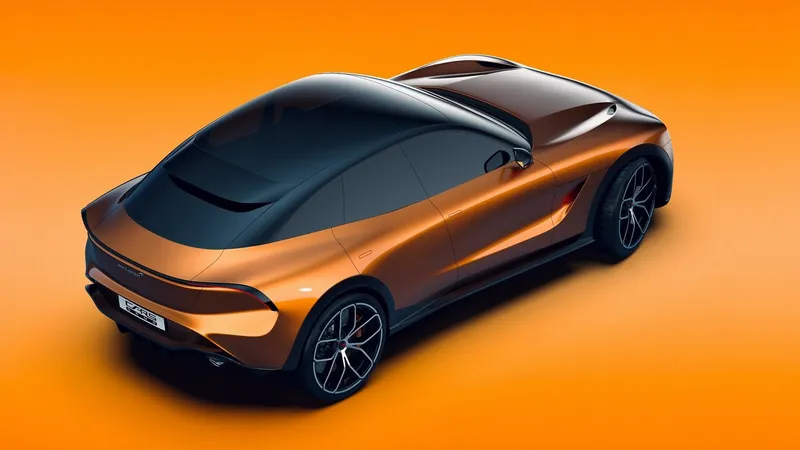
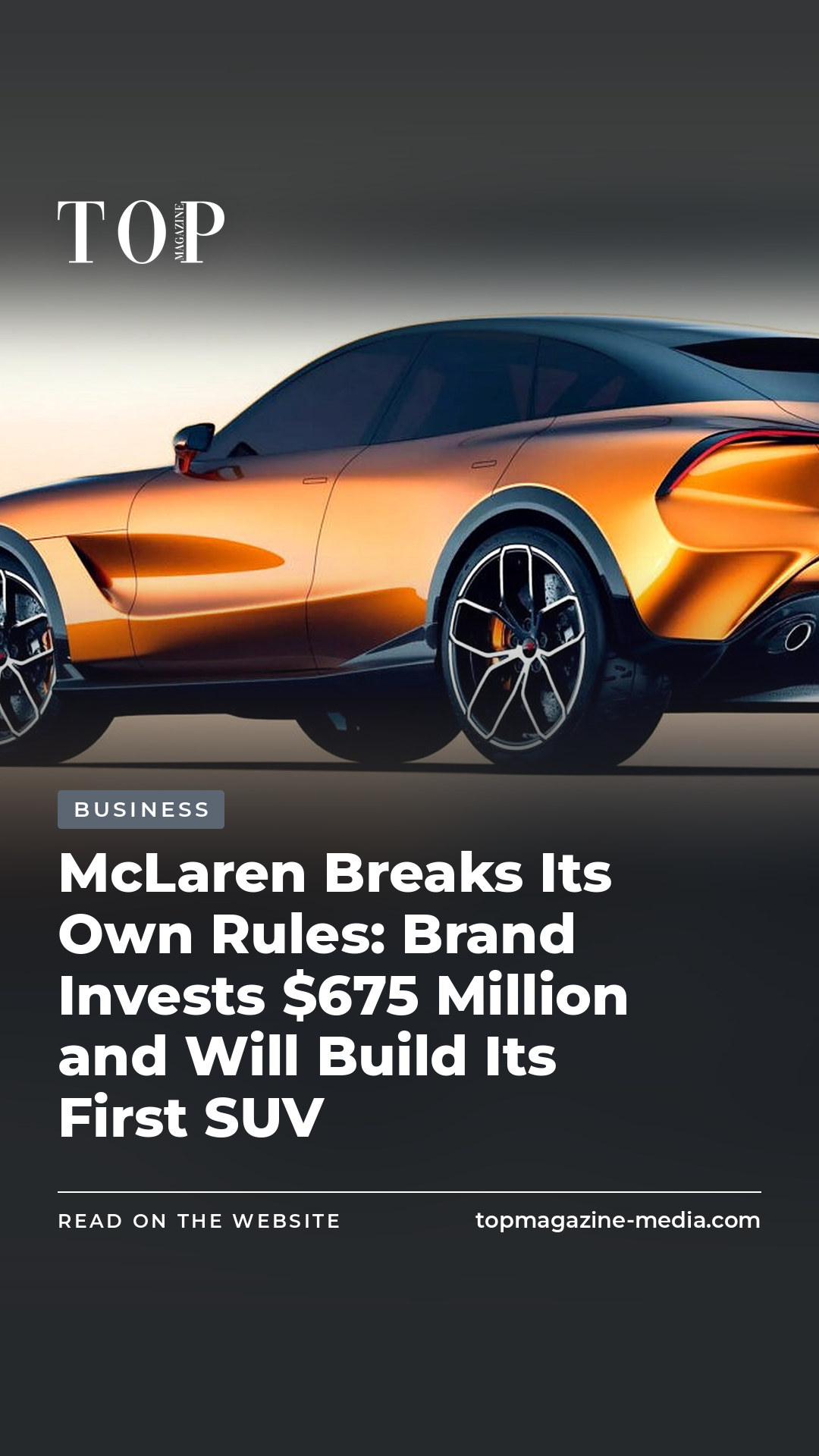
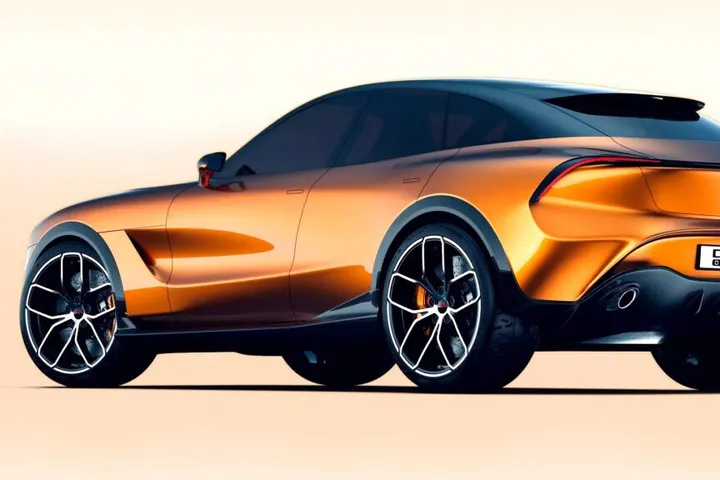
At the same time, McLaren does not intend to turn into an ordinary maker of off-road vehicles. The future model will be positioned as a sporty SUV, and the company wants to preserve the character of the brand even in a fundamentally new format. The car's exact design and specifications have not yet been disclosed, while a full launch is expected within the next few years.
Interestingly, McLaren is currently not planning to bet on a fully electric SUV. The company states that customer demand does not yet justify a shift to a fully electric model, so the future vehicle will rely on a hybrid powertrain.
The investment will also allow McLaren to expand its own production of powertrains for the first time. Today, the engines for its cars are produced by the British partner Ricardo. As part of the new program, McLaren plans to develop its own engines and transmissions, which will give the company greater control over technology and future models.
The scale of the changes is also visible in the number of jobs. By 2032, the investment program is expected to create about 1,000 new jobs directly and indirectly, while the expansion of production may further support thousands of jobs in the supply chain.
For McLaren itself, the stakes are especially high, as the company produces just over 2,000 cars a year, which keeps it far smaller than Ferrari and Lamborghini. The SUV could potentially allow it to move beyond the very narrow market of two-seat supercars and increase its number of customers.
In effect, McLaren is now repeating the path already taken by its main rivals: a supercar is no longer the only way to make money from a luxury car brand. The question is whether McLaren can make an SUV practical enough for a new audience, yet extreme enough to remain a McLaren.
The first SUV will be one of the most important tests for the company's new stage. If the brand can transfer its supercar formula into a larger body, McLaren will have a chance to significantly expand its business without giving up what made it famous.
Also read: Formula-1 as a Global System of Status, Brands and Closed Scenes
Text: Arina Blyzniuk
Comments
No comments yet — be the first.
Discuss on Telegram