Luxury no longer sells just the logo: why Loro Piana is building its own factory to protect exclusivity
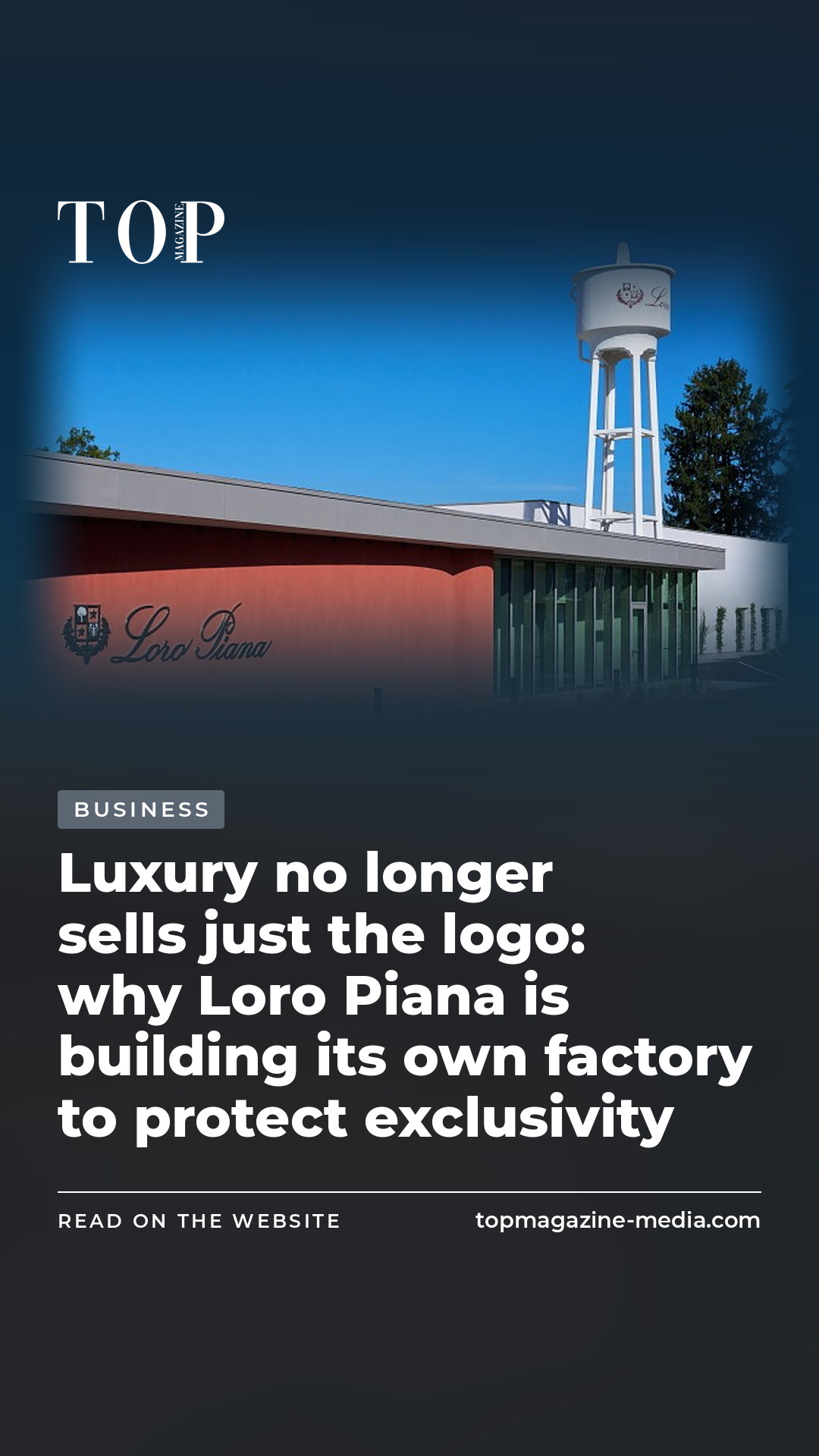
Loro Piana has opened a new 8,000 m² knitwear production center in Piedmont. The brand is investing in its own manufacturing, craftsmanship training and control over the entire production chain.
Translated with AI. Original: Українська
While luxury brands compete for new customers, stores and global reach, Loro Piana is betting on the opposite: control, slower growth and in-house production. In Piedmont, the brand has opened a new center of about 8,000 square meters, where the full knitwear production cycle is housed under one roof, from working with yarn to the finished garment.
The new complex in Ghemme has become one of Loro Piana's most important industrial projects in decades. It is the first new production facility the Maison has built since the 1990s. At present, about 200 employees work at the site, and over the next three years the company plans to increase its staff to about 300 people.
This is not simply an expansion of production capacity. In Ghemme, the company has brought together research and development of prototypes, knitting, initial quality control, sewing, washing, pressing and final inspection. As a result, a much larger part of the path a piece takes from material to finished product remains within the company itself.
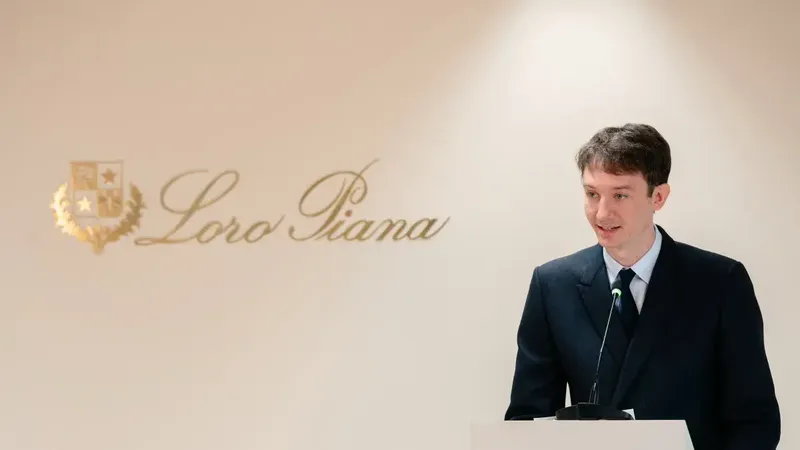
For Loro Piana, this is a fundamental change in the scale of control. CEO Frederik Arno describes vertical integration as one of the strategic priorities: the company wants to directly control the competencies it considers critical, especially rare techniques and knowledge that are difficult to reproduce outside its own production system.
And here lies the central paradox of modern luxury: the greater the demand, the harder Loro Piana tries to keep production from simply scaling up along with it.
Only last week, Arno told the Financial Times that the brand deliberately does not increase the supply of its signature White Sole shoes, even though it could sell many more pairs. The logic is simple: a short-term sales increase must not turn into a loss of product rarity.
This same principle is now visible in production. Loro Piana does not merely want to make more; it wants to control who makes its pieces, where and how.
Ghemme also houses the Knitwear Métiers School, a knitwear craftsmanship school within the Accademia dei Mestieri, which has operated since 2015. Its task is to pass technical and artisanal skills between generations and to train new specialists.
For the Italian fashion industry, this is no longer just a matter of prestige. Manufacturers are facing an aging workforce and a shortage of young specialists. According to Confindustria Moda, over the next decade Italy's fashion and textile industry could lose about 90,000 workers due to retirement. That is why major manufacturers are increasingly investing in training and in passing on highly specialized skills.
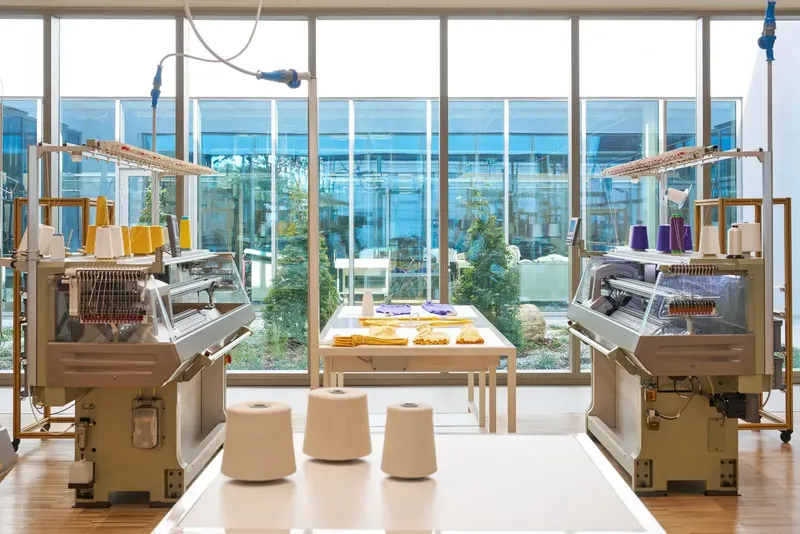
This matters especially for Loro Piana. The brand built its reputation not around large logos, but around cashmere, vicuña, rare wool, fabric quality and production craftsmanship. If these competencies cannot be quickly recreated on the market, they have to be preserved inside the company.
At the same time, Loro Piana is restraining another side of scaling: its retail network. According to Vogue Business, this year the brand is even reducing the net number of stores, concentrating on the most prestigious locations. The network currently counts about 179 stores and concessions worldwide, and in October Loro Piana plans to open a new flagship in Tokyo on Omotesandō.
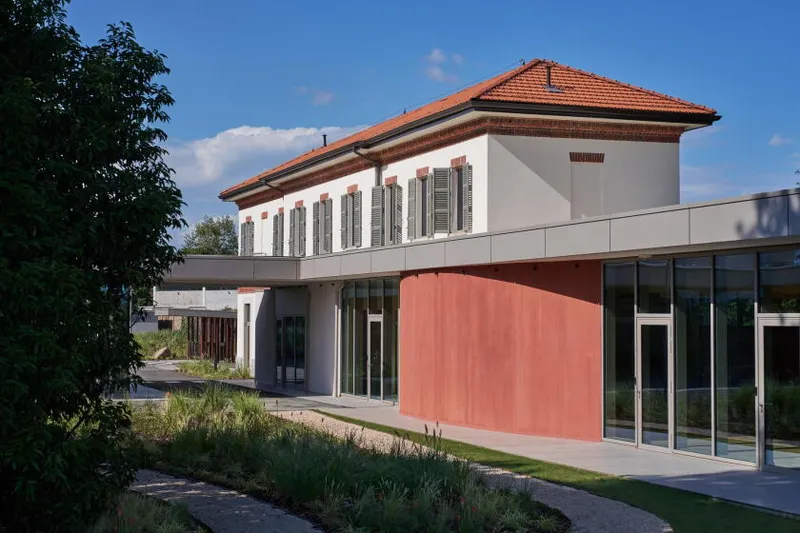
This is an important detail: Loro Piana is not rejecting growth; it is trying to make it controlled. The brand continues to expand where it sees a point in doing so, but does not seek to turn every successful product into a mass hit.
This is the new logic of quiet luxury. Exclusivity is no longer defined only by price or the absence of a big logo. It is shaped by the production process itself: how rare the raw material is, how many people master the required technique, where the piece is made and how much control the brand has over every stage of its creation.
Loro Piana's new factory in Piedmont effectively becomes material proof of this strategy. At a time when the luxury market is trying to balance scale with the desire to remain out of reach, Loro Piana is investing not in producing as much as possible, but in not losing the reason its pieces are considered luxury at all.
Text: Arina Blyzniuk
Comments
No comments yet — be the first.
Discuss on Telegram