More Than a Room with a View: How Brands Turn Hotels into Extensions of Their Worlds
Ascott and Chelsea have opened the lyf Chelsea London hotel with 232 rooms. How football clubs, hotel groups and lifestyle brands turn accommodation into part of their own world.
Translated with AI. Original: Українська
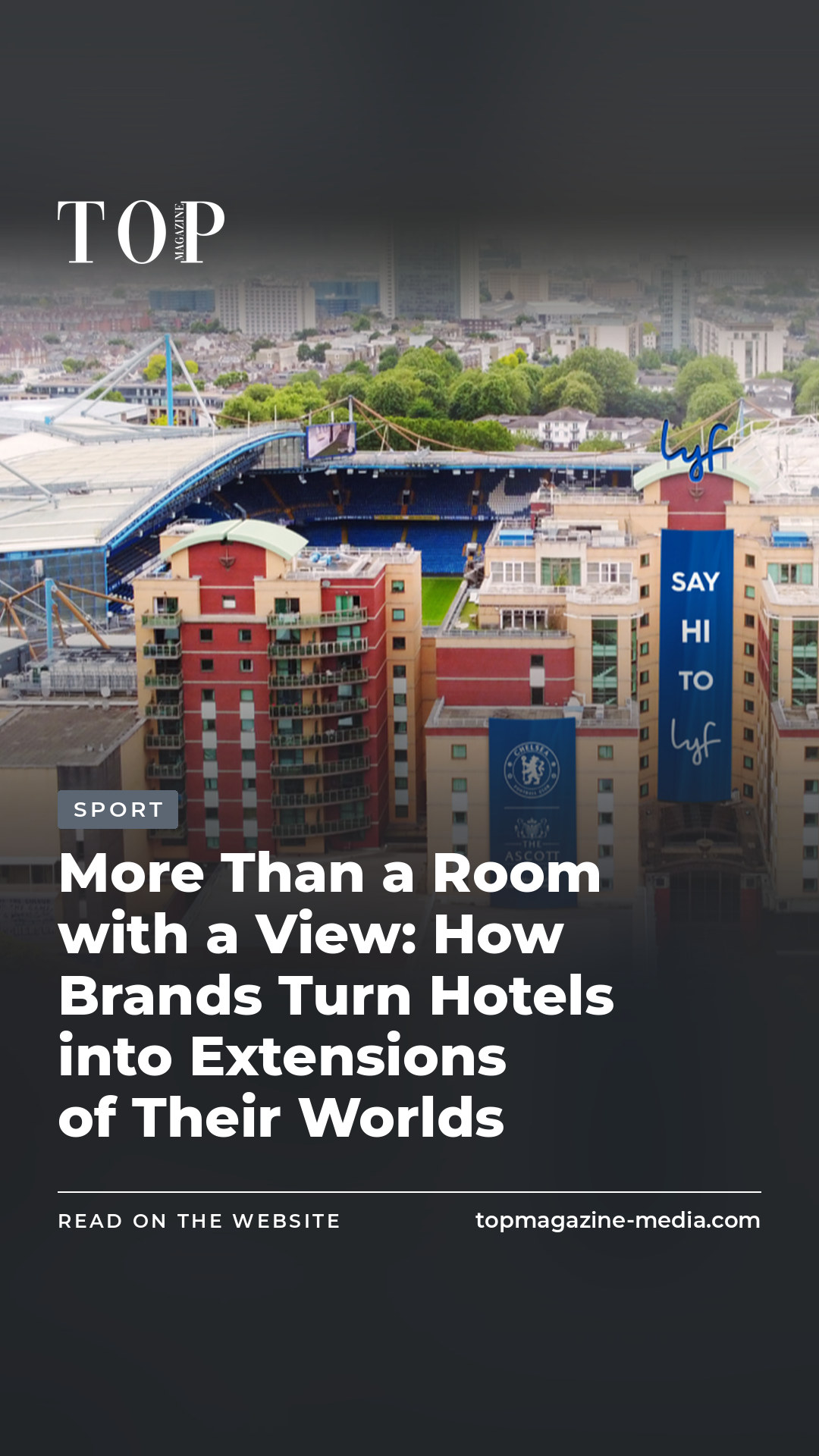
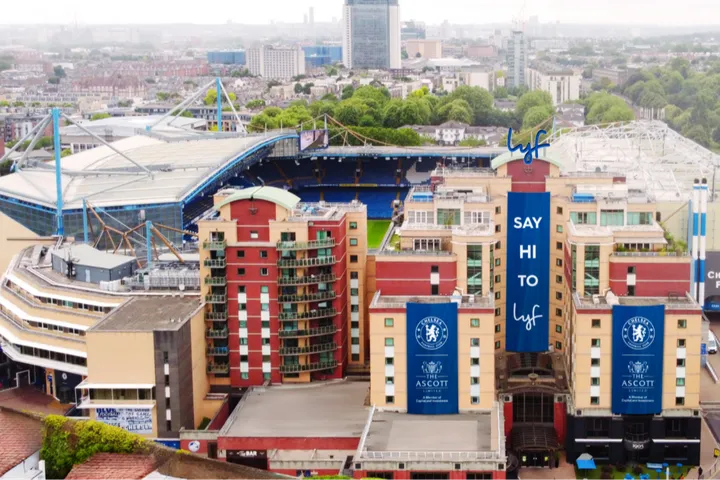
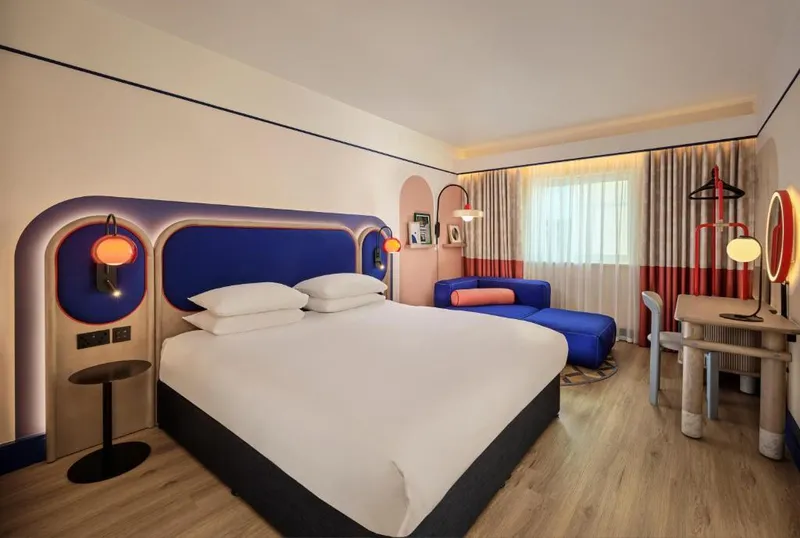
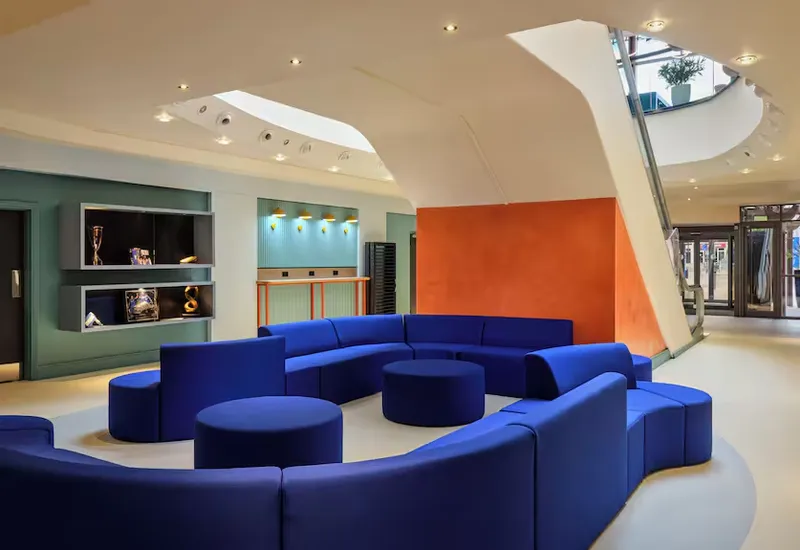
Hotels increasingly sell not just a bed, breakfast and a convenient location, but the chance to step, for a while, into the world of a particular brand. On October 7, 2026, Ascott and football club Chelsea opened lyf Chelsea London at Stamford Bridge stadium. The 232-room hotel combines a lifestyle accommodation concept with a place that means far more to fans than an ordinary address.
For Chelsea, this is a way to extend the brand beyond the football pitch. The club already has an international audience, but matches take place only on certain days. The hotel makes it possible to monetize the emotional connection with the team year-round – through travel, accommodation, stadium tours and special offers for fans. Ascott, in turn, gains access to an audience that may choose a hotel not only based on price or rating, but also through its own loyalty to the club.
This model goes beyond football. In 2026, Accor and Paris Saint-Germain extended their partnership until 2030, developing joint offers at the intersection of hospitality, sport and lifestyle. Hotel groups are turning fan loyalty into part of the travel experience: a trip may include not only a match ticket, but also accommodation, access to special events and privileges for loyalty program members.
For the hotel business, such a strategy solves an important problem – it helps stand out in a market where comfortable rooms alone are no longer enough. A brand with its own culture has an advantage over a faceless set of amenities: it gives the guest a reason to choose this particular place. For some it is football, for others art, design, music or gastronomy. What matters becomes not only the interior, but also the story a guest can live through.
This also changes the very notion of loyalty. Previously, hotel reward programs mostly came down to points, room upgrades or a free breakfast. Now, experiences that cannot simply be bought separately are becoming increasingly valuable: access to a closed event, a meeting with the team, a backstage tour or the chance to get closer to a favorite brand. Ascott is developing exactly such offers for members of its loyalty program in partnership with Chelsea.
However, a strong name alone does not guarantee success. If a hotel merely adds club symbols to a standard room, the partnership risks remaining marketing décor. The experience must meet audience expectations: a fan wants to feel connected to the team, while an ordinary traveler wants quality service and a well-thought-out space. The operator's task is to combine both needs without turning the hotel into a souvenir shop.
This is the broader shift in the travel market. Hotels now compete not only on location, price and number of stars, but also on the world they offer the guest to become part of. When a brand is able to carry its identity into physical space, an ordinary booking turns into an emotional choice. And a room in a stadium becomes interesting not only because it sits next to the football pitch, but also because of the story it lets you live through.
Also read: Behind Closed Doors: The World's Most Famous Private Clubs
Text: Arina Blyzniuk
Comments
No comments yet — be the first.
Discuss on Telegram