Ownership Takes a Back Seat: Why the World Is Choosing Access Over Accumulation
A subscription car, a designer handbag on rental, a private club instead of your own office: today's world increasingly chooses access rather than ownership. Why the new generation is rethinking the value of property and how this trend is changing the global economy.
Translated with AI. Original: Українська
Until recently, owning expensive things was one of the main symbols of success. A personal car, a large apartment, a designer wardrobe or an office in the city center were considered mandatory attributes of status. Today this model is gradually changing.
More and more people are coming to the conclusion that what matters more is not the thing itself, but the ability to use it exactly when it is needed. This approach is already actively influencing the fashion, transport, real estate and even travel industries.
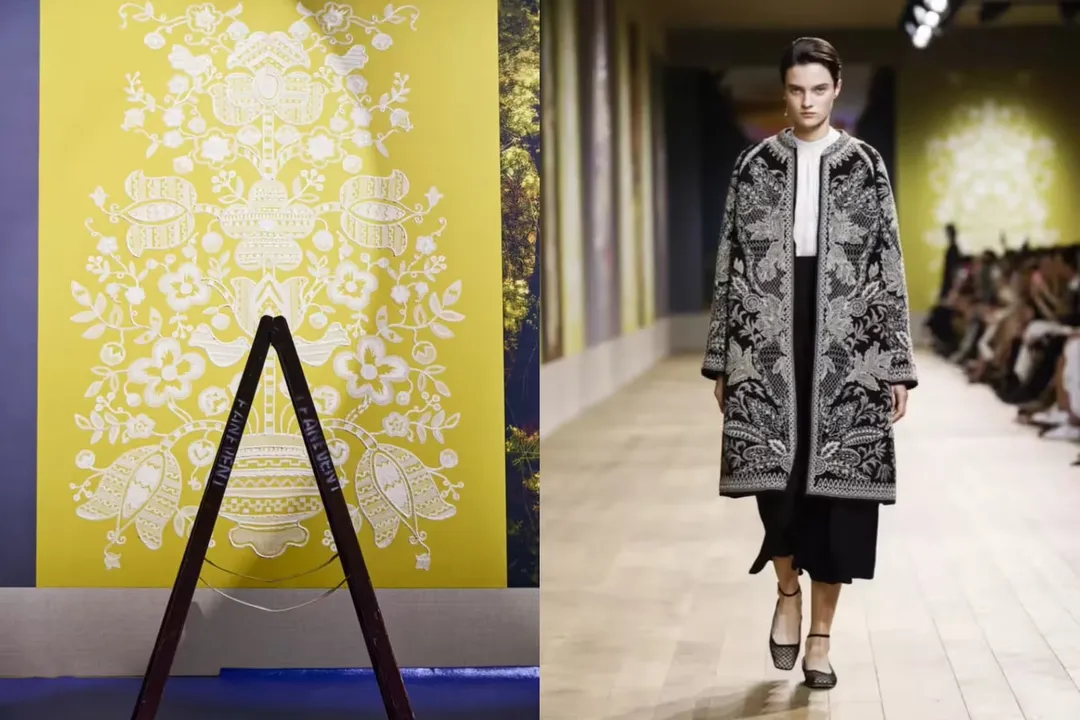
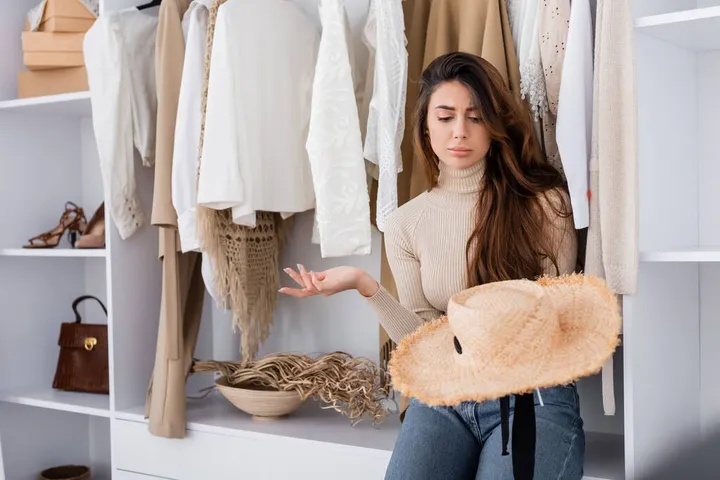
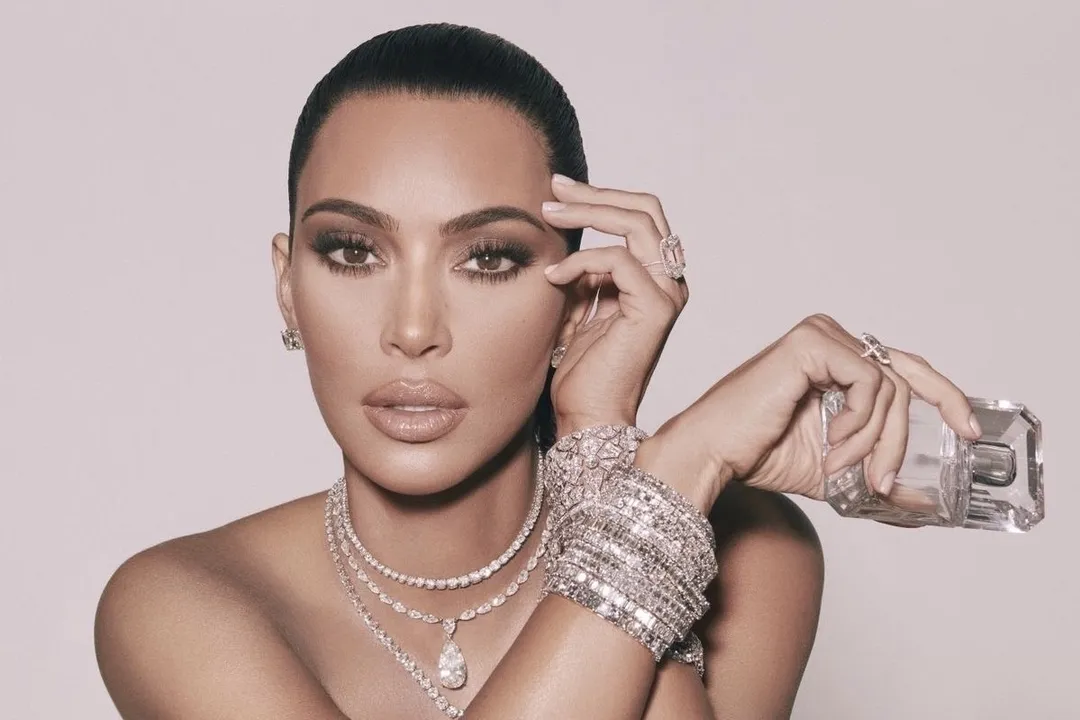
One of the most striking examples is the rental of designer bags and clothing. In major cities of the United States, the United Kingdom, France and South Korea, there are services that allow people to use accessories from Chanel, Hermès, Dior, Louis Vuitton or Bottega Veneta without having to buy them. For many clients, this is an opportunity to change their style depending on the occasion and not be tied to a single item.
Similar changes are taking place in the car market as well. Subscription cars are becoming increasingly popular among residents of big cities. Instead of long-term ownership, people get the opportunity to change their car model according to their own needs, without having to deal with its sale or maintenance.
The new culture of use has also reached the workplace. Private clubs and modern coworking spaces increasingly replace traditional offices. For many entrepreneurs, what matters more is quality service, atmosphere, business connections and the ability to work in different cities around the world, rather than permanent ownership of their own premises.
Even the approach to travel is changing. More and more tourists choose private villas, club residences and closed spaces, which can be accessed through membership or special programs rather than by purchasing property.
Experts explain this trend simply: modern people increasingly value freedom of choice. Ownership often means additional expenses, responsibility and long-term obligations, whereas use allows people to remain mobile and adapt quickly to change.
This is especially noticeable among the younger generation, which grew up in the era of digital services. Subscriptions to films, music or software have long become commonplace, and now this model is gradually moving into the world of physical goods.
At the same time, this does not mean that ownership has lost its value. On the contrary, people have become more careful in choosing what they really want to own. If a purchase is made, it is increasingly items that have long-term value, high quality or emotional significance.
In 2026, the new hallmark of a modern lifestyle is not the number of things one owns, but the freedom to choose when, how and with what to use them. Access is increasingly becoming a new form of luxury.
Read also: Silence Has Become the New Luxury: What People Are Ready to Pay For Today
Text: Arina Blyzniuk
Comments
No comments yet — be the first.
Discuss on Telegram