Cultural Appropriation or Cultural Exchange: Where Is the Line in Contemporary Fashion?
World fashion has always drawn inspiration from the cultures of different peoples. But today designers increasingly face a new challenge: how to use historical symbols without losing respect for their origins.
Translated with AI. Original: Українська
No culture exists in a vacuum. For centuries, architecture, fashion, jewelry and crafts have influenced one another. It is thanks to this that world culture has become so diverse.
However, in recent years, more and more attention has been paid not only to the beauty of borrowed elements, but also to whether the culture they come from receives due recognition.
This is precisely where the main difference lies between cultural exchange and cultural appropriation.
Cultural exchange involves respect for the source of inspiration. A brand openly says where a given symbol comes from, collaborates with local artisans or tells the story of the object that became the basis of a collection.
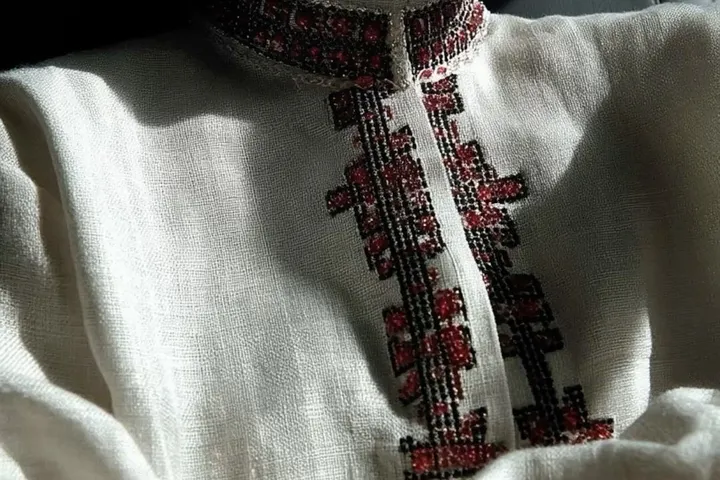
Cultural appropriation occurs when an element of another culture is used without explaining its origin, is torn out of its historical context or turns into a mere decorative object.
That is why in recent years fashion houses have been paying increasingly close attention to historical motifs.
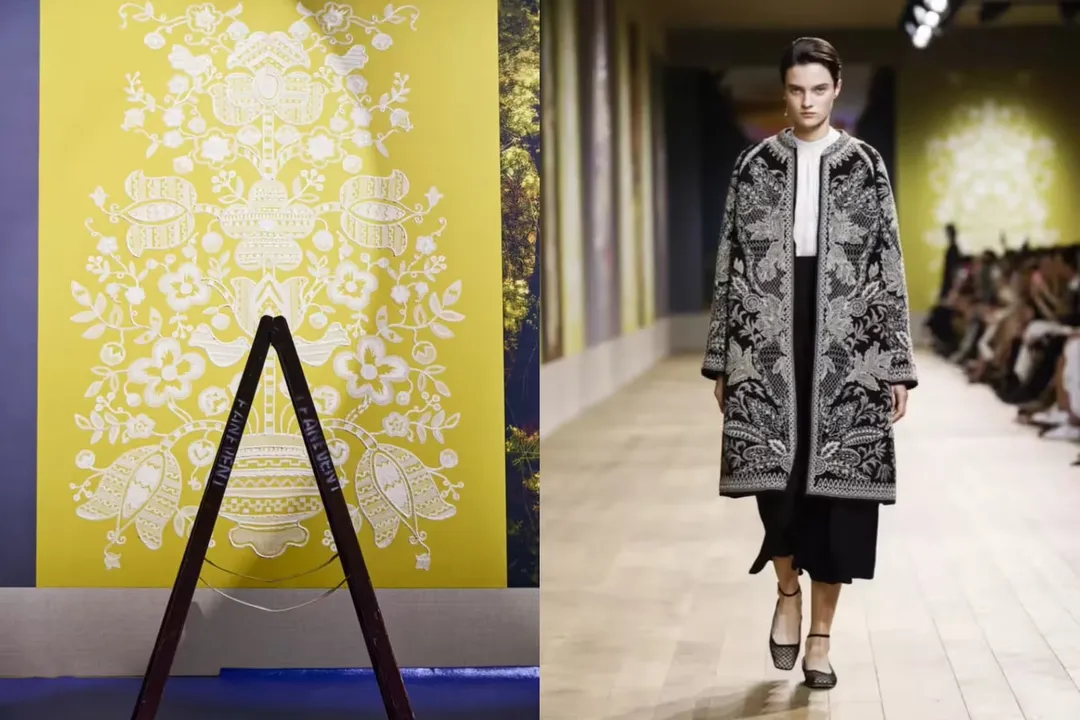
One of the most notable examples was the Dior Cruise collection, created in collaboration with Ukrainian artist Olesya Trofymenko. The brand openly spoke about its sources of inspiration, Ukrainian art and the author of the works that became the basis of certain looks.
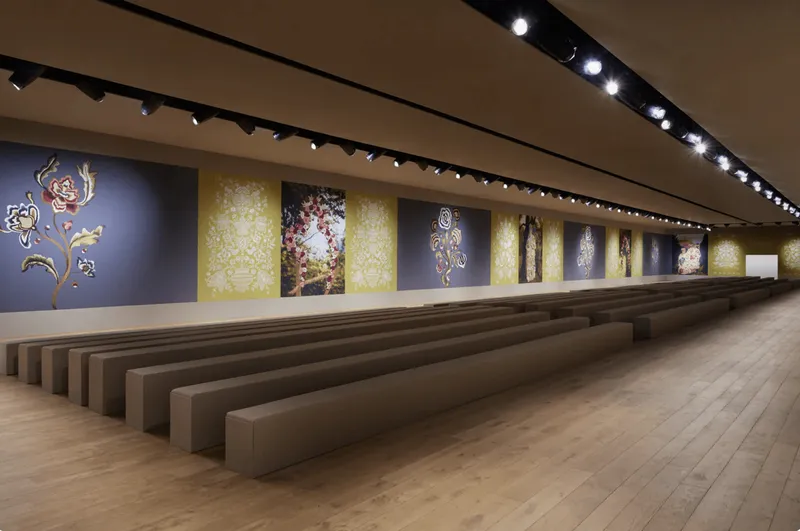
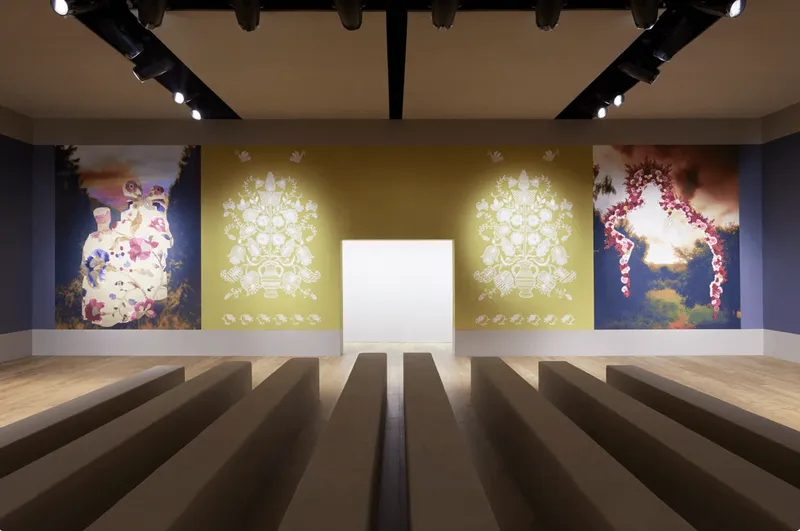
At the same time, there have also been other stories in which the use of traditional ornaments or historical symbols sparked controversy due to the absence of any mention of their origin.
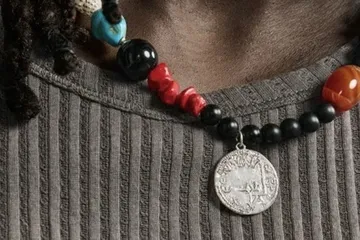
Recently, such debates were joined by the story of the Zara necklace, whose design many associated with the silver coin of Prince Volodymyr the Great. Whether it was a deliberate reference or merely a similarity of form, the situation once again raised the question of the importance of cultural attribution.
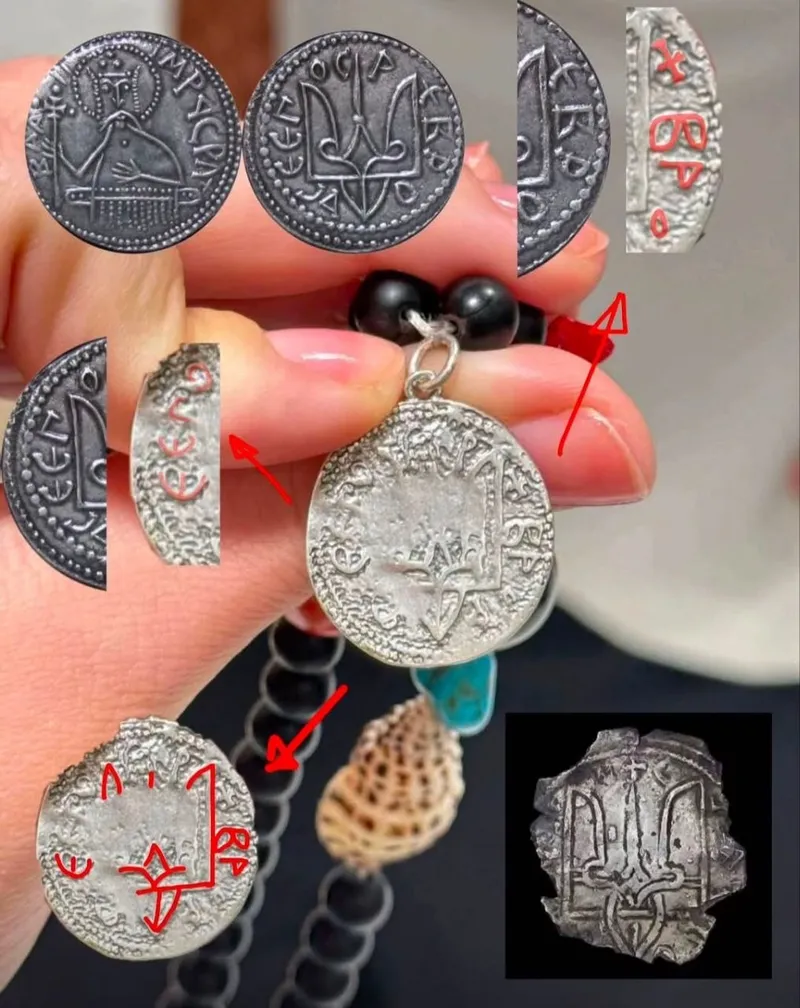
Today this is no longer only an ethical issue, but also an expectation of the buyers themselves. People want to know the story of the things they buy. For many, the value of a product is determined not only by its design, but also by what stands behind it.
This trend is also supported by museums, auction houses and large exhibition projects. Catalogues increasingly describe in detail the origins of works of art, while brands more and more often publish materials about the craftspeople, historical techniques and cultural traditions that inspired designers.
For Ukraine, this topic carries particular weight. Ukrainian art, ornaments, jewelry traditions and historical symbols are increasingly making their way onto the international stage. And alongside this attention grows the demand that the world know not only the images themselves, but also their true origins.
Fashion will always seek inspiration in history. But true luxury today lies not only in creating beautiful things, but also in the ability to honestly tell the story behind them.
Read also: Ukrainian Symbols in World Fashion: How Our Culture Appears in the Collections of Global Brands
Text: Arina Blyzniuk
Comments
No comments yet — be the first.
Discuss on Telegram