The Museum No Longer Ends at the Exit: How Art Turns Into a Whole Lifestyle
How museums are becoming lifestyle brands through restaurants, shops, fashion collaborations, pop-up spaces and digital formats.
Translated with AI. Original: Українська
The museum is no longer confined to four walls and an exhibition ticket. Today, restaurants, shops, hotels, pop-up spaces, digital projects and collaborations with fashion brands are appearing around well-known cultural institutions. Visitors no longer come simply to look at art – they buy a whole experience.
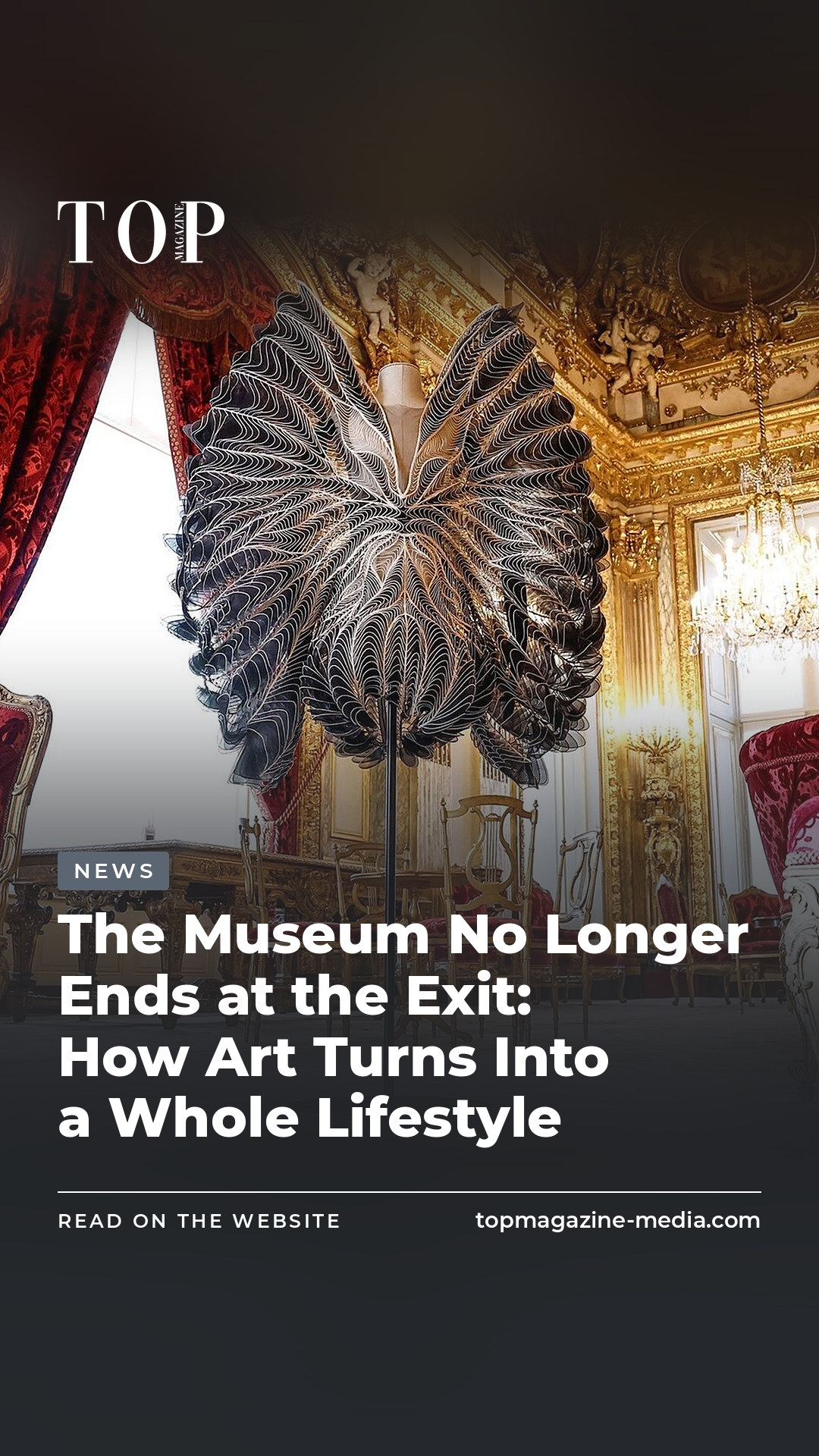
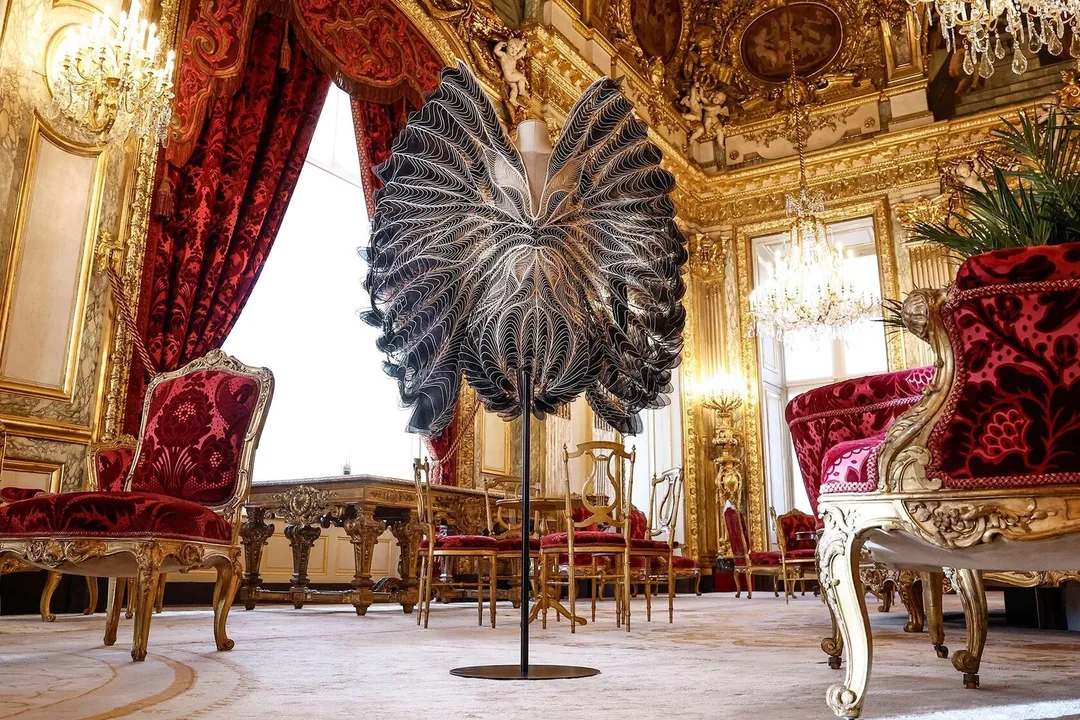
One of the most prominent examples is the Louvre. The museum has long operated as more than a place to store art: its brand is present in fashion collaborations, souvenir collections, digital products and commercial projects. In 2025, the Louvre even became a venue for a Jacquemus show, turning the museum space into part of a fashion event.
Other institutions use a similar model. MoMA in New York has its own shop, publishing projects, design products and digital formats, while museum brands are increasingly moving into the restaurant business and creating spaces where people can spend several hours without being limited to the exhibition.
For museums, this is not simply a way to increase sales. People spend more time in a cultural space, photograph it, share their experience on social media and return for a different reason. The exhibition becomes just one element of an ecosystem, and the museum gets the chance to stay in the visitor's life after they have walked out its doors.
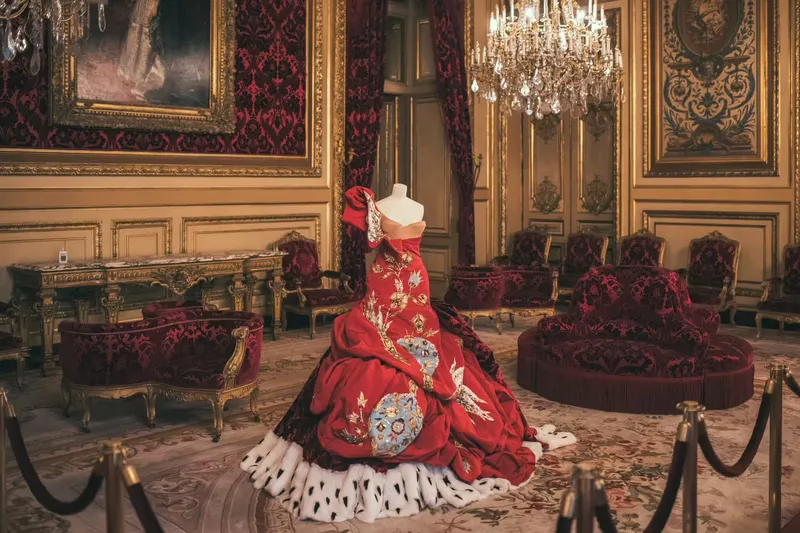
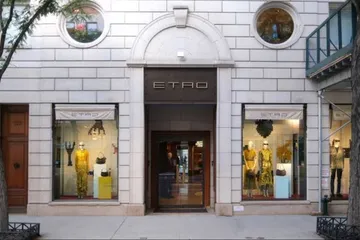
This principle works especially well in luxury. Art, architecture, gastronomy and fashion share a common audience, so a museum's collaboration with a brand can create value that regular advertising cannot provide. The brand gains cultural context, while the museum gains a new audience and an additional way to monetize its recognition.
The very concept of the museum souvenir is changing too. Instead of a standard postcard, people can buy a designer item, jewelry, a book, clothing or a limited collection created together with an artist or brand. In this way, art literally steps out of its frame and into everyday life.
The next step is digital. VR, interactive exhibitions and online access allow museums to engage audiences far beyond their own city. An exhibition stops being a one-time event: it can be continued at home, on a smartphone or even while traveling.
As a result, the museum of the future increasingly resembles less a place where people come to "look at paintings." It becomes a lifestyle brand that sells not only art, but atmosphere, knowledge, design, gastronomy, travel and a sense of belonging to a particular cultural community. That is exactly why the most interesting part of a museum today may begin only after the exhibition hall.
Read also: Why Old Hotels Still Feel Special, Even When They Are Not the Most Expensive
Text: Arina Blyzniuk
Comments
No comments yet — be the first.
Discuss on Telegram