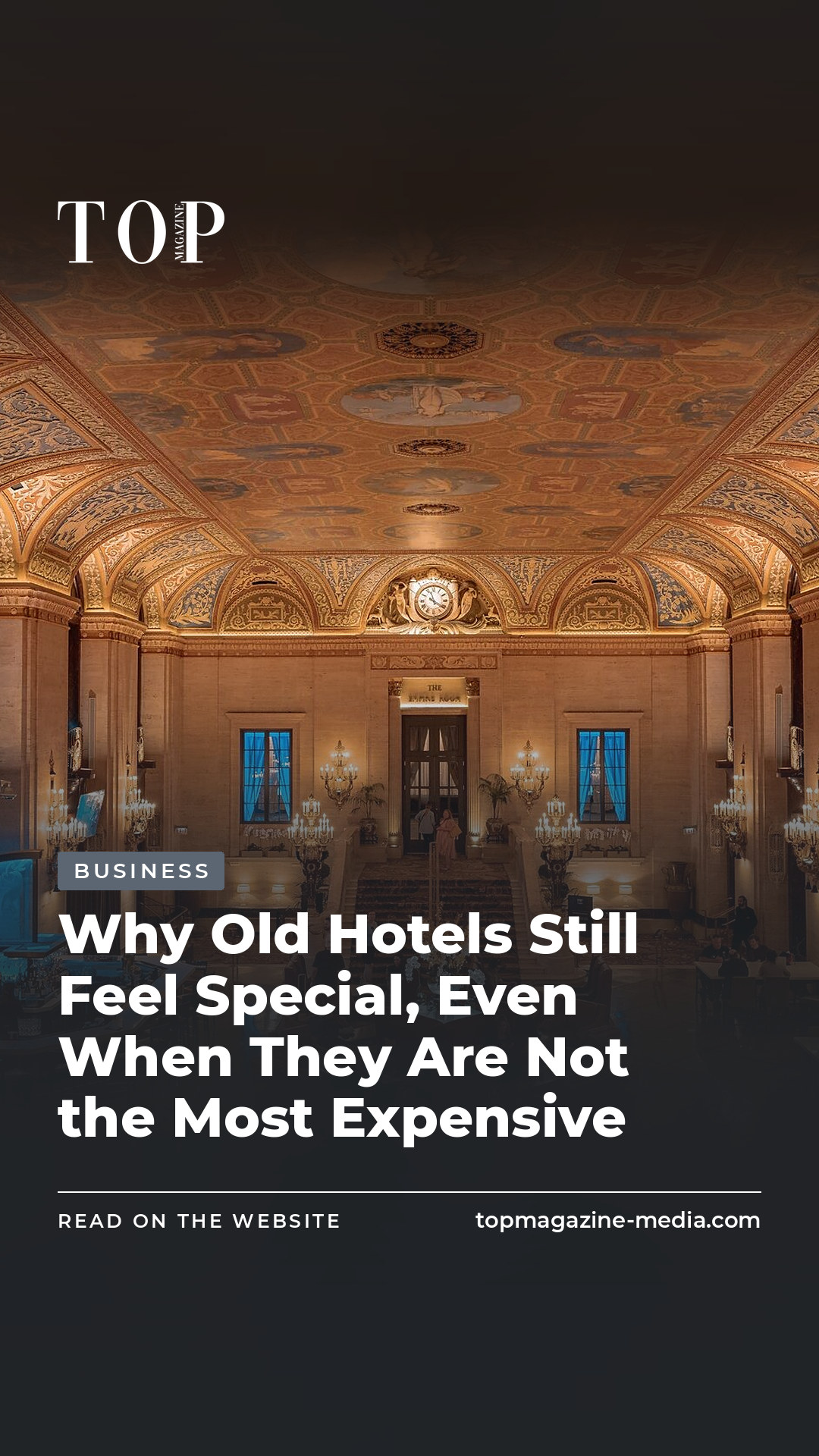
Why Old Hotels Still Feel Special, Even When They Are Not the Most Expensive
Why do historic hotels still attract guests even when modern spaces offer more comfort? We explore architecture, memory and the phenomenon of hotels with history.
Translated with AI. Original: Українська
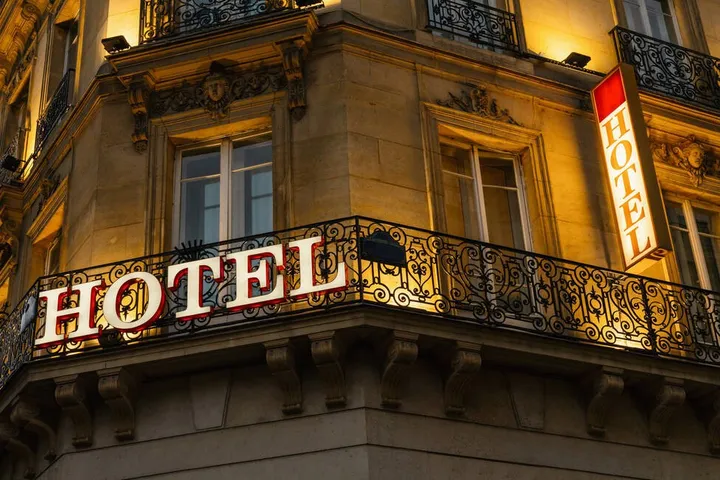
The hotel world has long had a paradox: a new space does not always seem more appealing than an old one. A modern hotel may offer a tech-equipped room, contactless check-in, designer furniture, panoramic windows and dozens of services. Yet sometimes a person walks into an old hotel with a wooden reception desk, high ceilings and an elevator that is several decades old, and immediately feels a completely different level of presence.
A historic hotel sells more than a room. It sells the feeling of being inside history.
This is the main difference between such places. A new hotel starts with a blank page. An old one already has its own biography. Someone here celebrated New Year's Eve, someone spent their honeymoon, someone closed a deal, and someone simply lived here for a few days during a trip. Even if a guest knows nothing about these people, the architecture itself creates a sense of time.
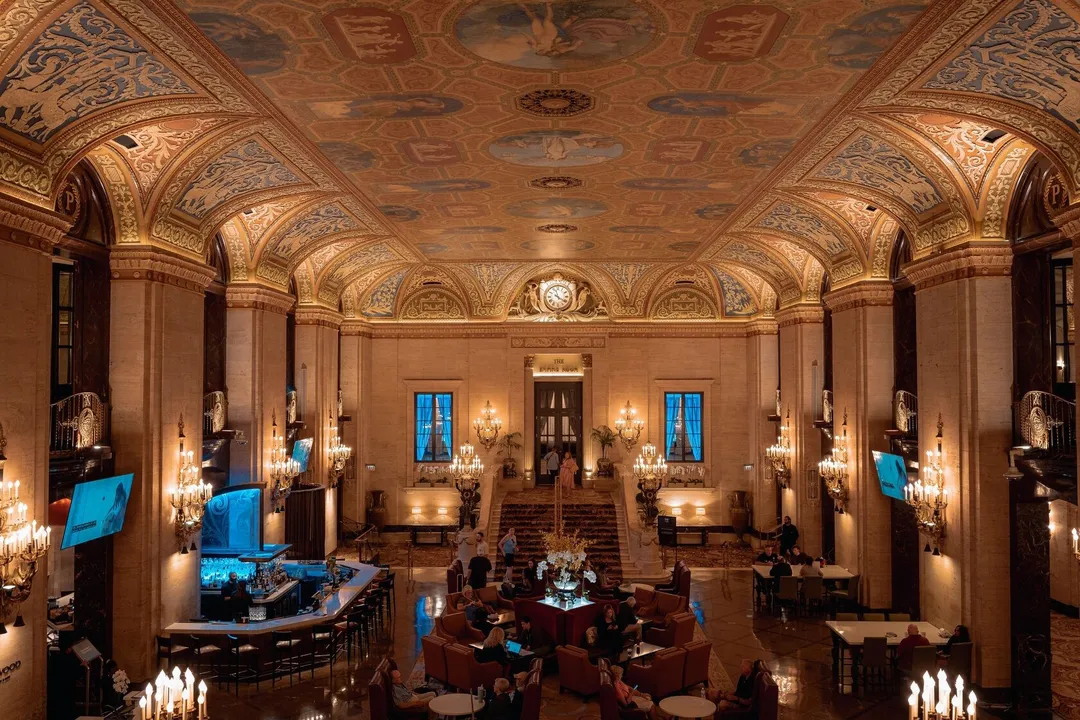
High ceilings, wide staircases, brass details, marble, wooden paneling, old light fixtures, large windows – all of this forms a space that cannot be recreated just with a new renovation.
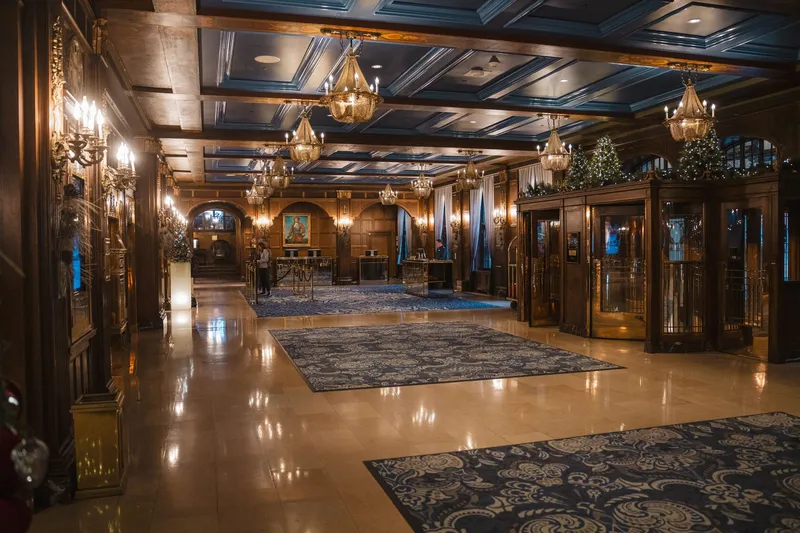
The true value of a historic hotel often lies not in the number of stars, but in the number of layers of time that can be seen in its interior.
That is why old hotels often become part of city culture. People come there not only to sleep. They drop in for a coffee, look at the architecture, meet for afternoon tea, visit the restaurant or simply spend time in a space that has existed for decades.
In this sense, a hotel becomes a kind of theater. The guest becomes a temporary character in a story that was written long ago.
There is another important factor – imperfection. Modern design often strives for flawlessness: uniform surfaces, perfect geometry, new materials, neutral colors. Old buildings allow themselves to be different. Wood may show wear, marble may bear traces of time, and furniture may have small variations that developed over decades.
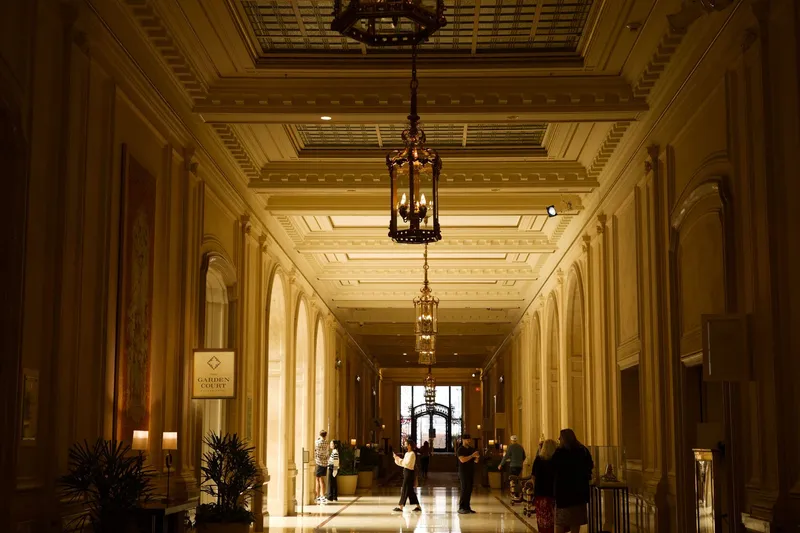
These details are not necessarily perceived as flaws. On the contrary, they create a sense of authenticity.
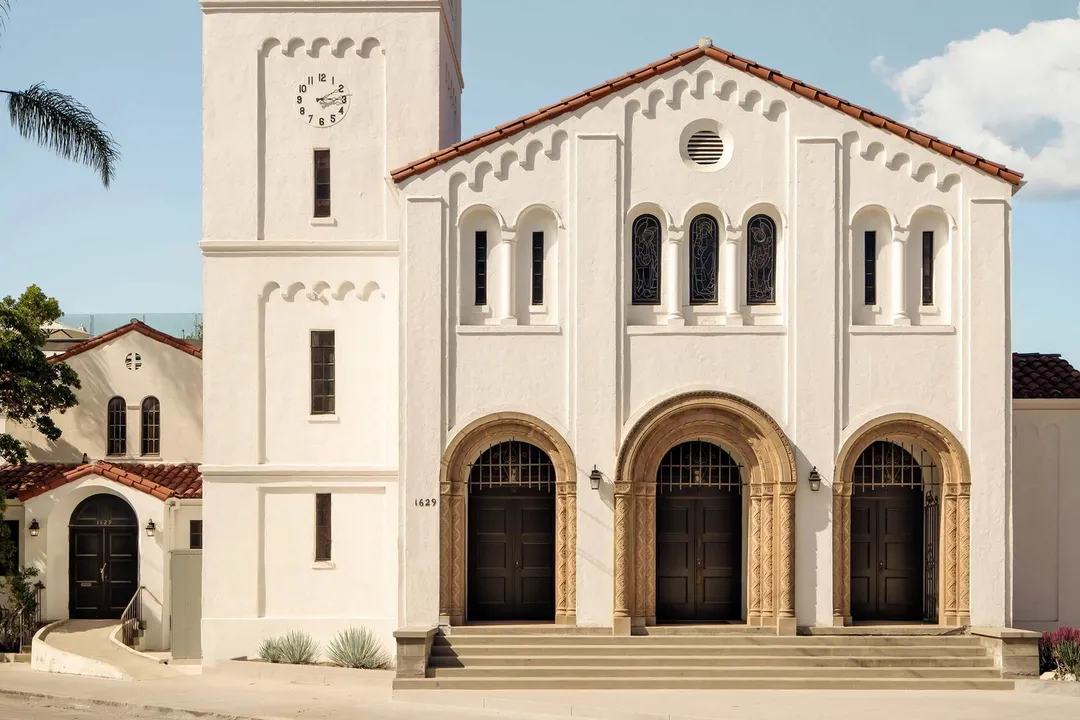
Interestingly, this is exactly why the modern hotel industry actively turns to historic architecture. Old buildings are restored, former railway stations and banks are converted into hotels, and new projects deliberately use vintage materials and furniture.
At the same time, a genuine historic space remains harder to achieve. It cannot be fully copied, because atmosphere is formed not by a single design decision, but by decades of use.
There is one more point. A hotel is by nature linked to travel, and travel itself creates strong memories. When a person wakes up in an unfamiliar city, steps into the corridor, goes down the stairs, sees morning light in the window and knows that in a few hours they will be in another part of the city, an ordinary room becomes part of a personal story.
So an old hotel can be remembered more vividly than a much more expensive new one. People often return not to where it was most expensive, but to where they felt they had become part of a certain place.
Read also: Behind Closed Doors: The World's Most Famous Private Clubs
Text: Arina Blyzniuk
Comments
No comments yet — be the first.
Discuss on Telegram