Tokyo Has Become the World's Capital of Vintage Chanel and Hermès
Japan's resale market has become a distinct fashion system, drawing people from around the world in search of rare Chanel, Hermès and Louis Vuitton models.
Translated with AI. Original: Українська
Japan stopped being just one of the fashion centers a long time ago. Today it is one of the main hubs of the global resale market, especially in the segment of vintage Chanel, Hermès, Dior and Louis Vuitton bags.
For the fashion audience, Tokyo has already become a separate destination, almost on par with Paris or Milan.
But Japan's vintage market did not take shape because of a trend. Its foundation is a cultural attitude toward things.
In Japan, luxury items have for years been kept with great care. Bags, accessories and watches often remained in almost perfect condition even after use. This is what created a phenomenon that today attracts buyers from Europe, the US and the Middle East.
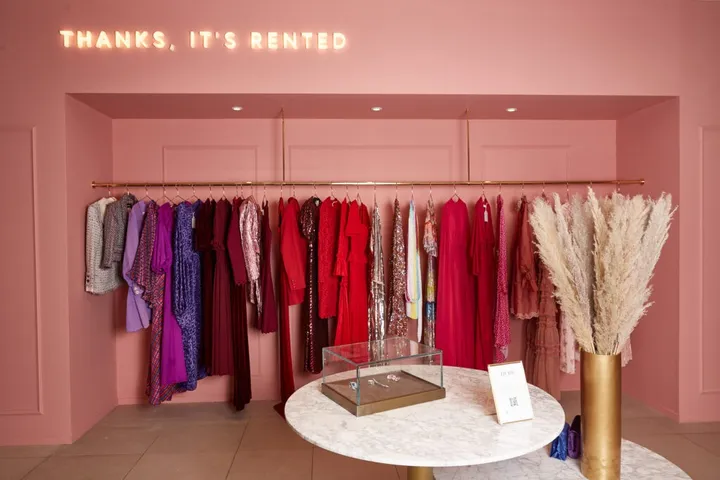
Tokyo's vintage stores are nothing like a classic second-hand shop. They operate as fashion archives.
Every bag has its own history, a description of its condition, year of production and collection details. The space is built not around “old things” but around the idea of rarity.
Chanel from the 1990s is currently in especially strong demand. This period is called the brand's “golden era” by many collectors and fashion editors: heavier hardware, denser leather, different model proportions.
Hermès occupies a special position in the Japanese market. Rare Birkin or Kelly bags often enter the resale segment in a condition that is almost impossible to find in other countries.
As a result, Japanese stores have become part of global luxury culture. A trip to Tokyo now often includes not only restaurants or fashion districts, but also a vintage route: neighborhoods with resale shops, archive collections and rare models.
As a result, Japan has created a new type of fashion experience, where shopping turns into a search for things with a history.
And it is this history that today is worth more than novelty.
A new generation of luxury audiences is less and less interested in seasonal releases and more and more in rarity and the context of things — in the next article.
Text: Arina Blyzniuk
Comments
No comments yet — be the first.
Discuss on Telegram