Vintage Bags Have Become a New Form of Status
The market for Chanel, Hermès and Dior has changed: the main value is no longer novelty, but rarity, history and the right context for the piece.
Translated with AI. Original: Українська
Just a few years ago, the main symbol of status in fashion was still the new collection. Boutiques, waiting lists, fresh releases — the luxury market was built around constant renewal. But today this system has begun to change.
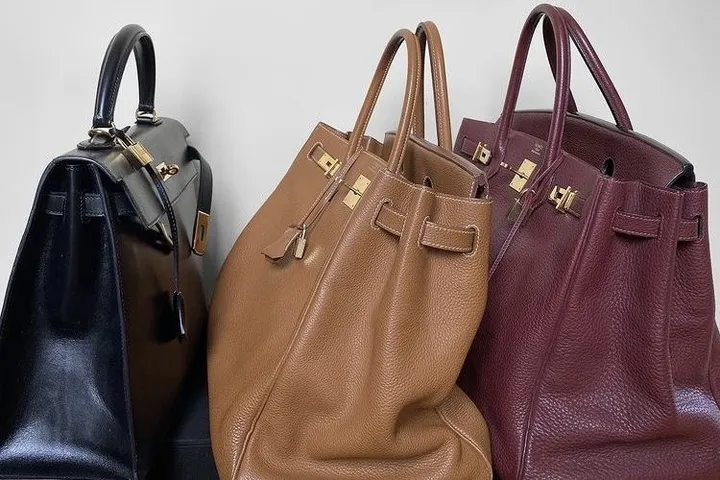
In the segment of Chanel, Hermès, Dior and Louis Vuitton, attention is increasingly shifting not to new models, but to vintage ones. And this is no longer about “old bags” or nostalgia for past collections. Vintage has become a distinct culture within the fashion industry.
The modern luxury world no longer sees novelty as the main form of value. New bags have become predictable: they can be seen in boutiques, on Instagram feeds, and on resale platforms before their official launch. They remain expensive, but they stop being rare.
It is at this moment that vintage has started to work differently.
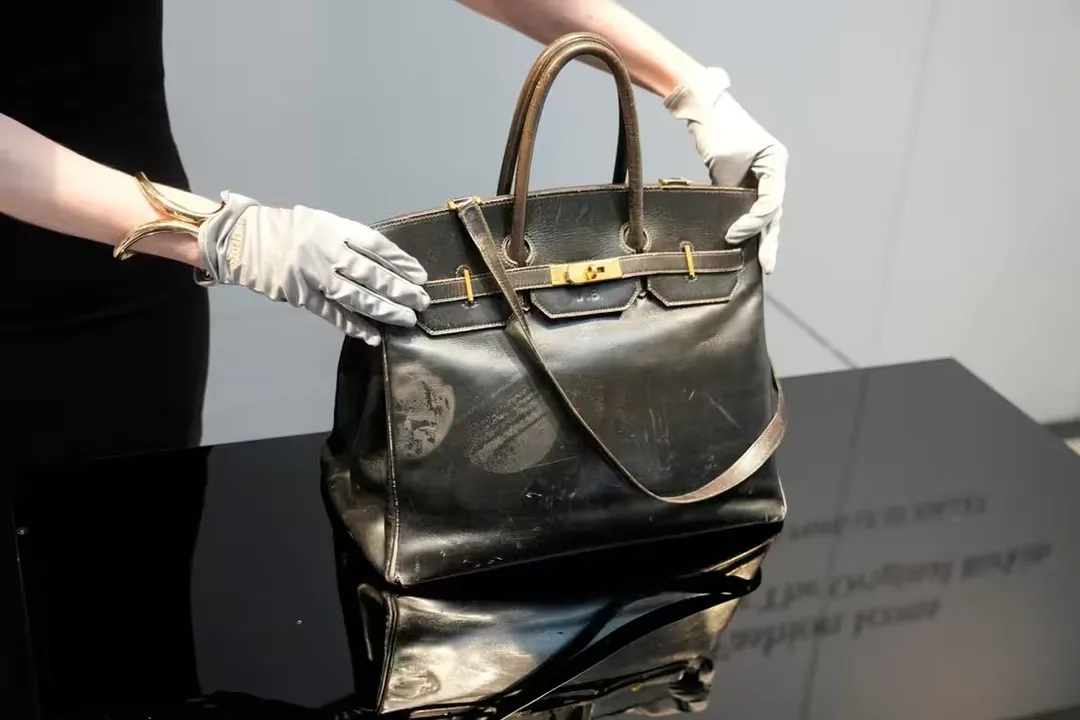
An old Chanel from the 90s or an early Hermès Birkin now looks not like an “archive piece”, but like an object with its own character. Different materials, a different shape of leather, different hardware, different construction — many pieces that brands no longer reproduce in modern production.
And this creates a completely different type of desire. People no longer simply look for an expensive bag. They look for a model with context, rarity and a sense of time.
This is especially noticeable among the younger luxury audience. For the new generation, status is less and less tied to an obvious display of a brand. Far more important becomes knowledge of the market: understanding seasons, archive models and production details.
That is why a vintage bag today often says more about a person than a new purchase from a boutique.
In this system, what matters is not just owning a piece, but understanding why exactly it has value.
And this completely changes the logic of the luxury market: now status is built not around novelty, but around precision of choice.
By the late 2020s, the fashion industry had effectively returned to the idea of collecting. Bags began to be seen not only as accessories, but as objects with a long life, a history and potential market value.
That is why some archive models of Chanel or Hermès now attract more interest than new seasonal releases.
The market has changed. And with it, the very idea of status has changed too.
Tokyo, Osaka and the Japanese resale market have turned this system into a separate global industry — in the next article.
Read also: Tennis as a System of Quiet Status: Brands, Watches and Controlled Luxury
Text: Arina Blyzniuk
Comments
No comments yet — be the first.
Discuss on Telegram