Who Decides What Will Be Fashionable Tomorrow: New Centers of Influence in the Fashion Industry
Who shapes fashion trends in 2026? We look at how creative directors, stylists, celebrities, independent designers and social media are influencing the future of the fashion industry.
Translated with AI. Original: Українська
Twenty years ago, the path of a fashion trend seemed clear: a designer presented a collection on the runway, fashion editors chose what mattered most, and later new silhouettes and colors appeared in buyers' wardrobes. Today this system has become far more complex. Fashion is no longer dictated by a single institution – it is shaped by the interaction of designers, stylists, celebrities, social media and the audience itself.
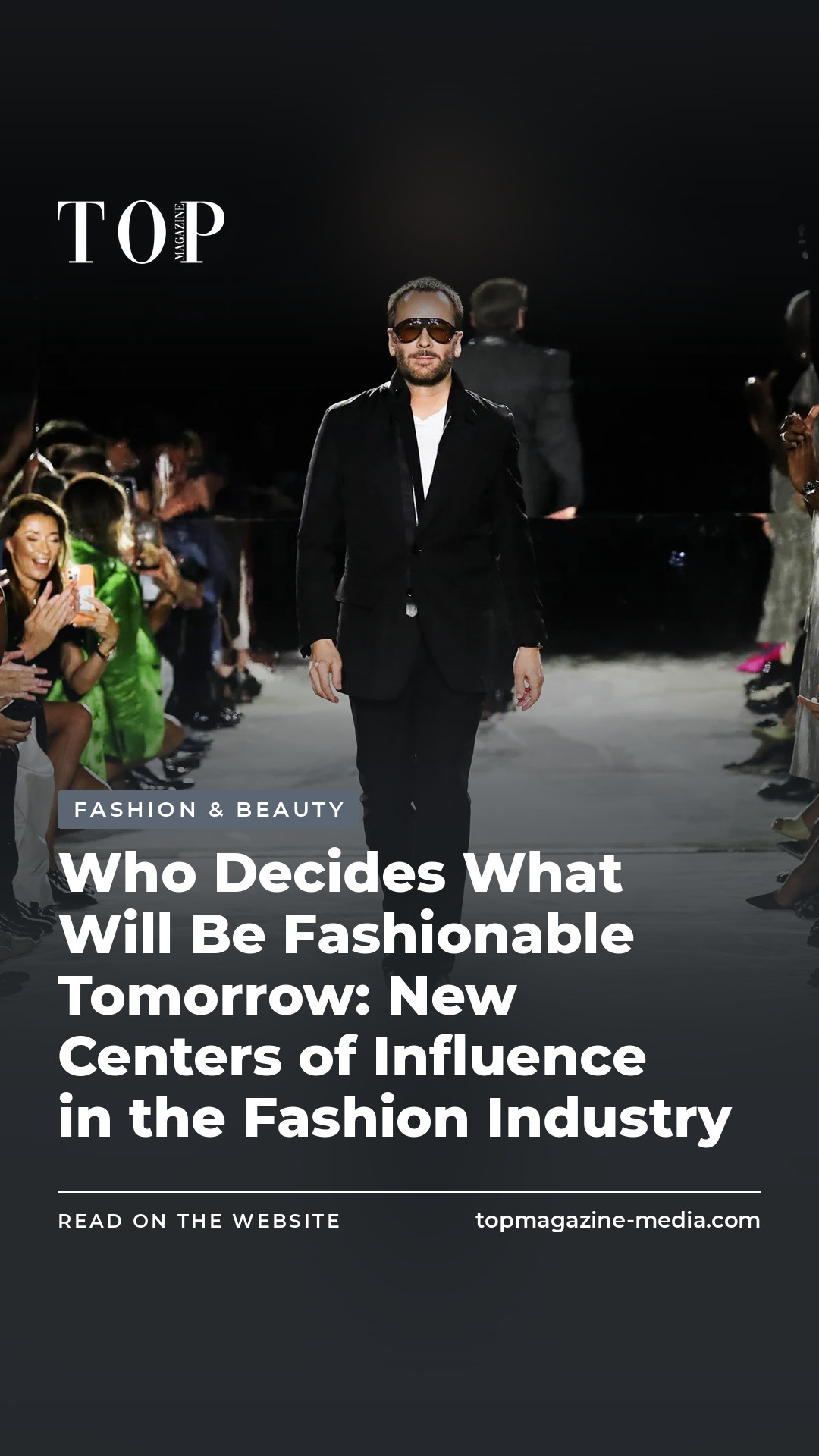
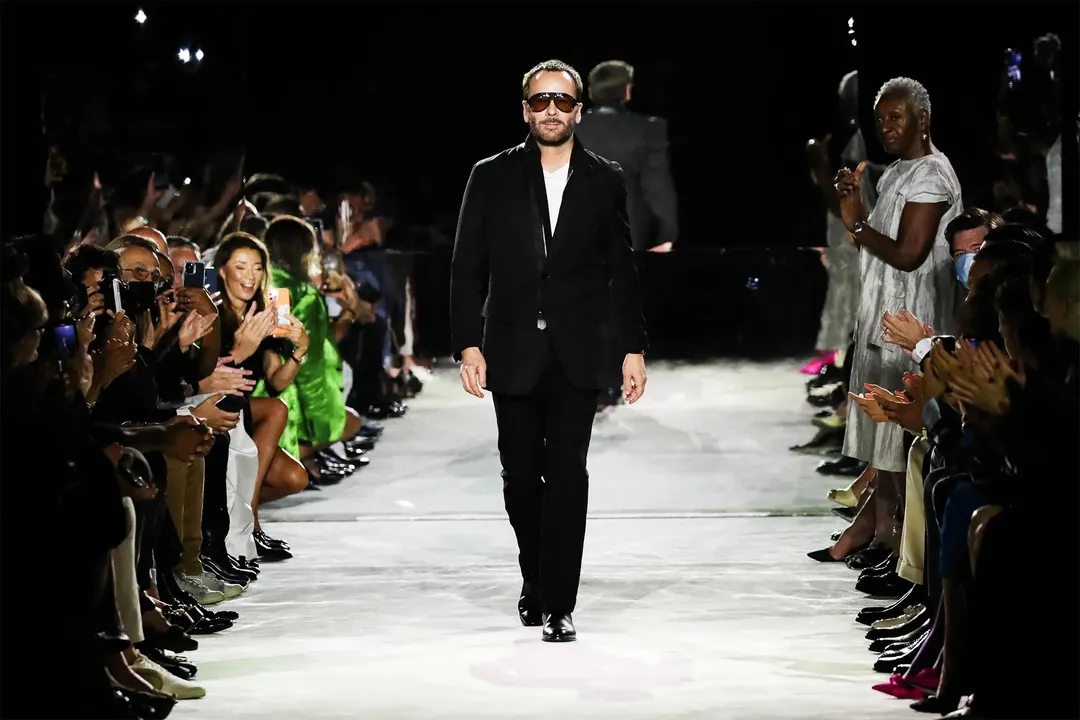
One of the most influential figures remains the creative directors of major fashion Houses. They do not simply create collections; they define how a brand will speak to the world, from silhouettes and colors to advertising campaigns, runway shows and the overall mood. The scale of their influence is especially visible during leadership changes. In 2025–2026, leading brands went through major renewals of their creative teams: Jonathan Anderson took over the women's division at Dior, Mathieu Blazy took over at Chanel, and in November 2026 Martine Rose became creative director of Balenciaga. Such appointments are not just staffing news, but an attempt to rethink the brands' aesthetics and restore their cultural relevance.
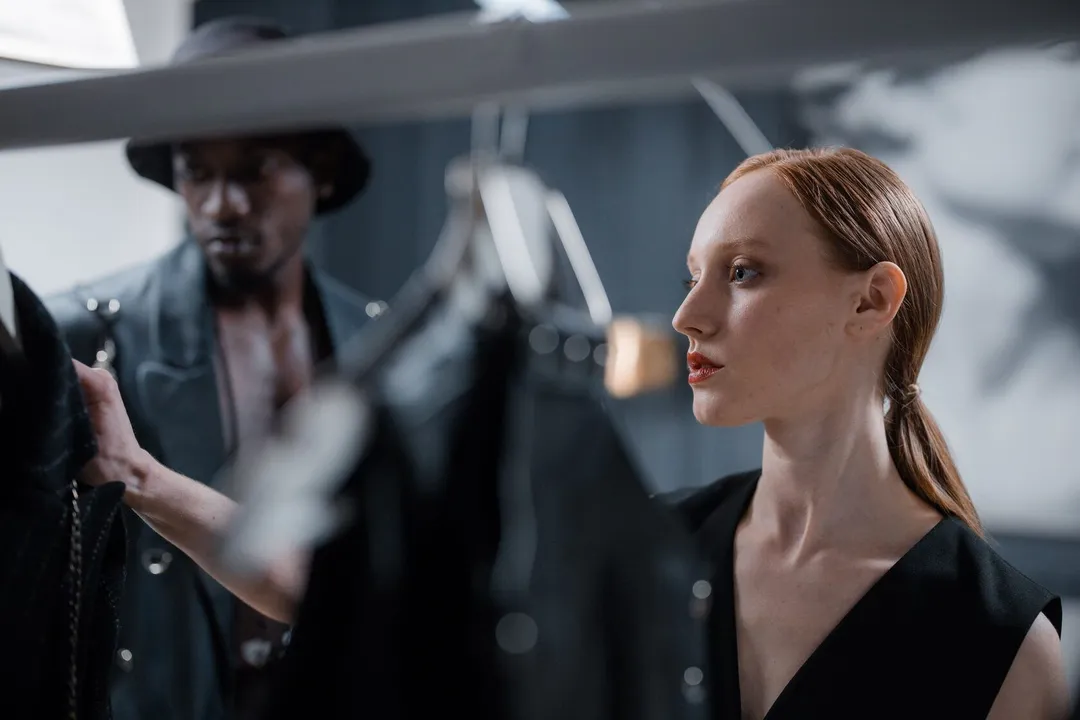
Yet between a designer's idea and its appearance in mass culture there is often another important person – the stylist. Stylists create looks for red carpets, concerts, photo shoots and public appearances, turning individual pieces into objects of desire. They can combine an archival piece with a contemporary brand, draw attention to a little-known designer, or shape the recognizable style of a celebrity. A telling example is Law Roach, who for many years shaped the public fashion image of Zendaya. His work proved that a stylist can be more than a person behind the scenes, but a full-fledged author of a fashion statement. In 2026, ASOS even named him its first Stylist in Residence – another sign that the industry recognizes the independent value of this profession.
Celebrities and influencers work on a different principle: they help trends move beyond the fashion industry. When a well-known person appears in a certain silhouette, bag or pair of shoes, millions of users can see this look almost instantly. But today it is not only celebrity status that matters. Musicians, athletes, bloggers and figures from local cultural communities also have influence. Their strength lies in their ability to make fashion part of everyday life, rather than just an element of a runway show. At the same time, viral popularity does not always mean lasting success: a single look can become a global meme for a few days, but far from every such trend takes root in wardrobes.
Independent designers play a special role, often getting ahead of big brands in working with new cultural codes. They experiment with proportions, materials, local identity and street aesthetics, not being limited by the scale of a corporation or the expectations of the mass market. Martine Rose is one example of a designer whose influence on contemporary menswear went far beyond her own label. Her appointment at Balenciaga showed how an independent design language can move from the alternative scene to one of the world's most famous fashion Houses. It is often small brands that become platforms where ideas are first born, and later taken up by the industry.
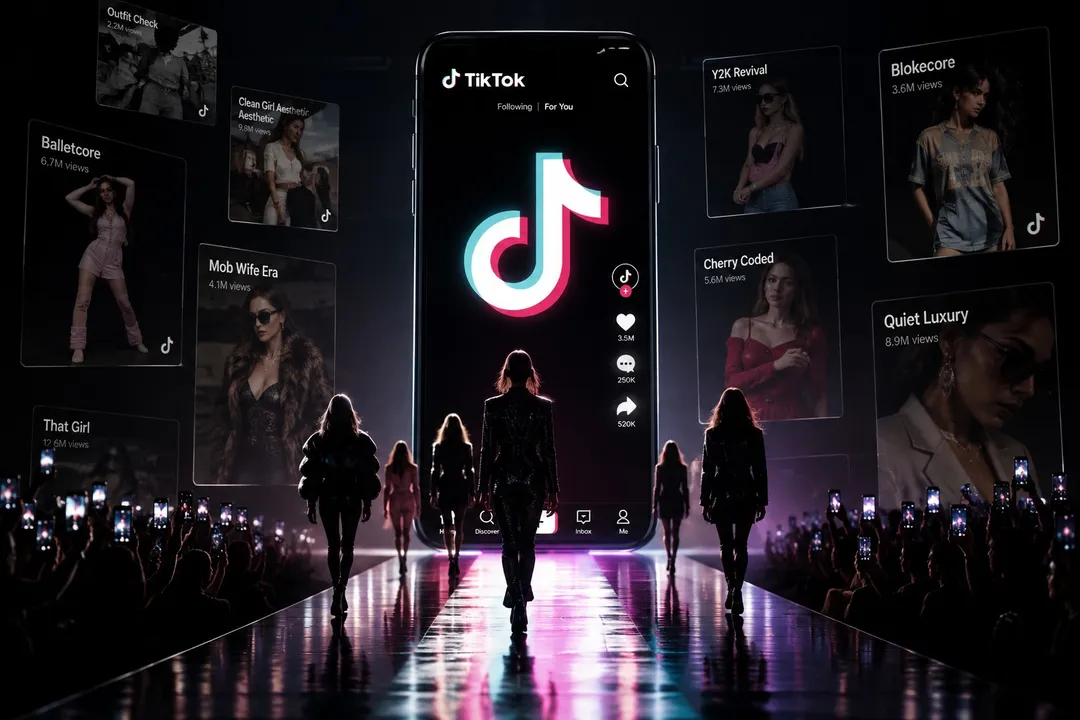
At the same time, the final word increasingly rests with the audience. TikTok, Instagram and other digital platforms have accelerated the spread of trends and changed the direction of influence: now an idea can move not only from the runway to the buyer, but also the other way around – from a local community to global brands. In the report The State of Fashion 2026, analysts at McKinsey and Business of Fashion note that for 81% of buyers under the age of 35, design and creativity are the main factors in choosing luxury goods. This explains why brands watch cultural signals, reactions on social media and the behavior of young audiences so closely.
So today fashion is defined not by one person, or even one professional group. The creative director sets the direction, the designer proposes a new form, the stylist creates the desired look, the celebrity draws attention, and the audience decides whether it becomes part of their life. In this system, influence no longer belongs exclusively to those who have their own fashion House or a seat in the front row at a show. Sometimes the next big trend begins with an unknown designer, one successful styling decision or a photograph that millions of people happen to notice.
Also read: YOUNGEST DIOR STAR: RIHANNA'S DAUGHTER DEBUTS IN LADY DIOR CAMPAIGN
Comments
No comments yet — be the first.
Discuss on Telegram