Why Bookstores Are Becoming New Cultural Spaces
How bookshops are turning into cultural spaces with cafés, book clubs, presentations and reader communities.
Translated with AI. Original: Українська
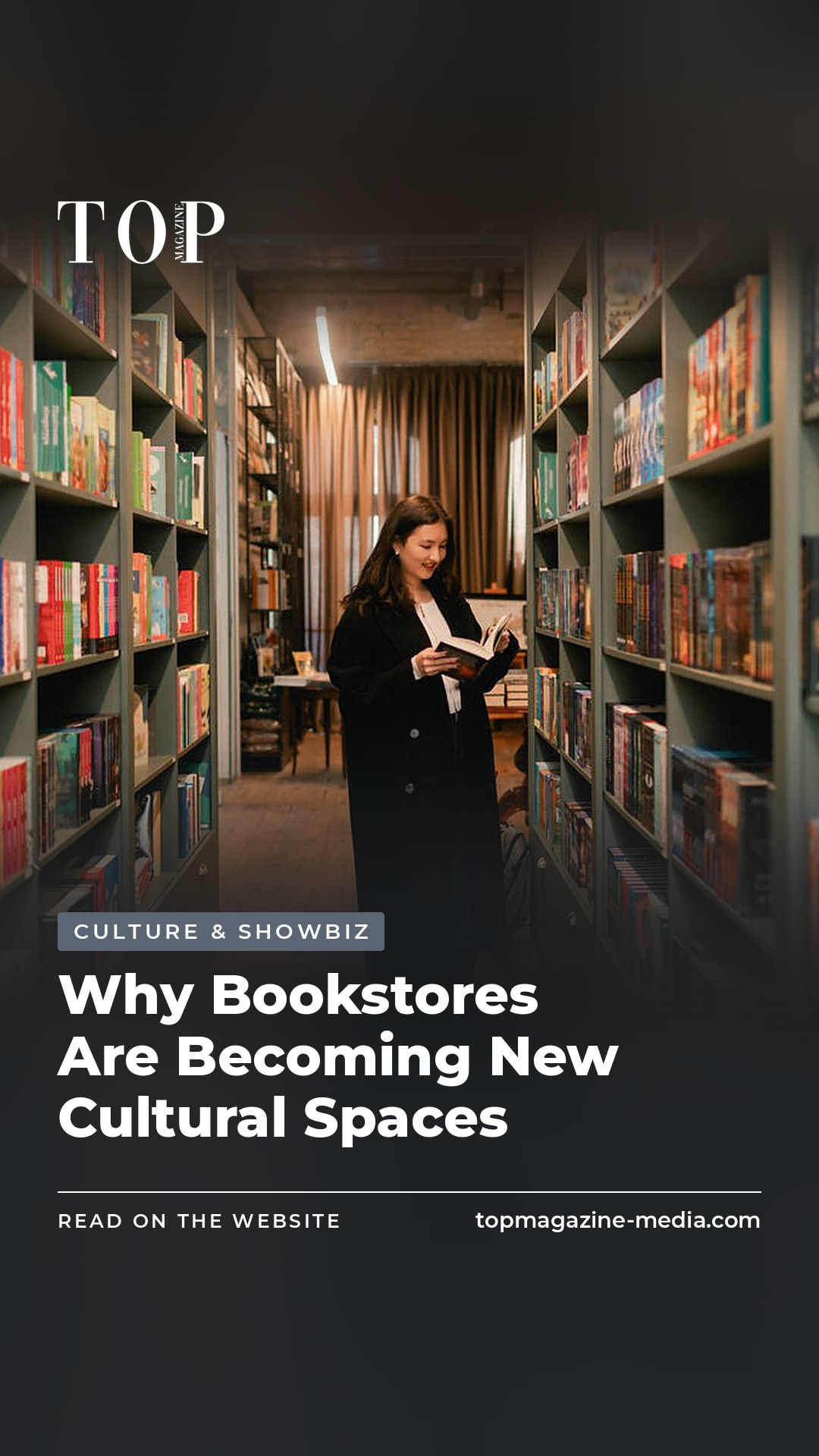
A bookstore no longer has to be a place people visit only for a specific title. In cities across the country, bookshops are turning into spaces for meetings, work, discussions and encounters with culture. The book remains the center, but the experience of visiting goes far beyond the purchase.
The changes are visible even in how the rooms are planned. Instead of dense shelving from wall to wall, cafés, reading areas, small stages and presentation spaces are appearing. A person may come to meet an author, spend a few hours with a book or stumble upon a new writer by chance.
Curation plays an important role. Large online platforms offer a huge selection, but a physical bookstore can offer something different: a collection shaped by specific people with their own view of literature. Recommendations from staff, themed shelves and local authors create a sense of discovery that is hard to replace with an algorithmic list.
For independent bookstores, this is also a way to compete with online retailers. They cannot always offer the lowest price or the largest range, but they can build a community of regular visitors. Book clubs, lectures, presentations and children's reading sessions help turn a one-time purchase into regular engagement.
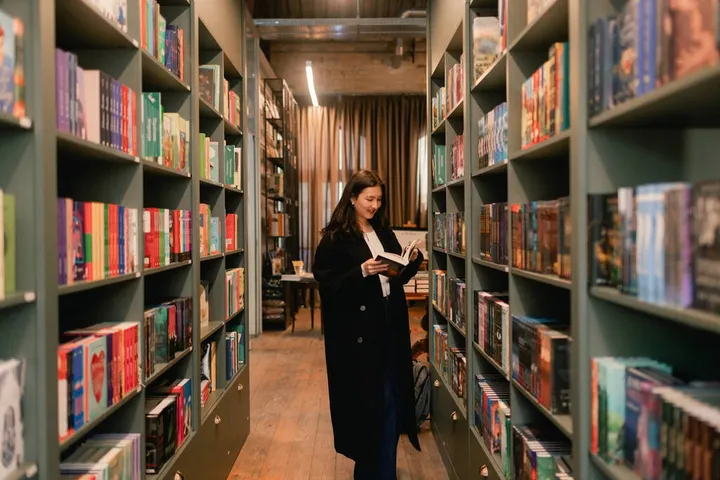
Architecture and design reinforce this effect. Wooden shelves, soft lighting, open tables and comfortable reading spots create an environment where people want to linger. At the same time, the most successful bookstore does not necessarily have to be visually striking: easy navigation, a well-considered book selection and a strong events program can matter more than the interior.
There is also an economic aspect. Events create additional reasons to visit, but they require organization, staff and space. That is why a bookstore working as a cultural center performs best when the commercial model and the cultural mission complement each other, rather than existing separately.
The popularity of such spaces shows that digital access to information does not eliminate the need for physical places to connect. A bookstore offers not only text on paper, but also the chance to spend time among people with similar interests. Sometimes this is exactly what turns an ordinary purchase into a habit of coming back.
Read also: The Museum No Longer Ends at the Exit: How Art Becomes a Whole Lifestyle
Text: Arina Blyzniuk
Comments
No comments yet — be the first.
Discuss on Telegram