Why It Has Become Harder for Us to Be Bored: How Constant Stimulation Is Changing the Brain
Why is it increasingly hard for us to simply sit without a phone? How constant stimulation affects attention, our perception of time and our ability to tolerate boredom.
Translated with AI. Original: Українська
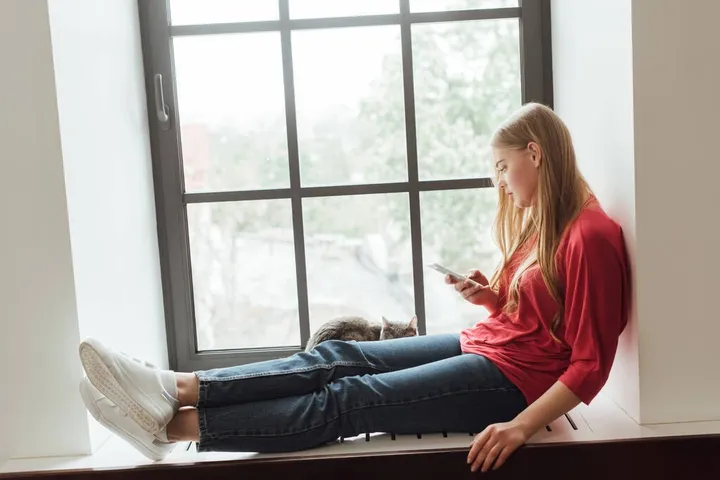
Just a few years ago, waiting in line, riding public transport or spending an evening with no plans could simply mean one thing – nothing is happening. Now there is always a screen in our pocket, and with it come videos, messages, music, news and an endless feed. We have almost learned not to be alone with our own thoughts.
The problem is not that the smartphone itself "rots the brain." What is far more interesting is how constant changes in stimuli affect our attention and our ability to tolerate low levels of stimulation. When the brain gets used to regularly receiving new information, ordinary waiting can start to feel unnaturally slow.
That is why a few minutes without a phone can sometimes feel like almost empty space. Boredom requires the absence of quick reward, while social media works the opposite way: every swipe potentially brings something new – a funny video, a message, a news item or a photo. We don't know what comes next, and it is this unpredictability that holds our attention.
There is another side to this. When external stimuli become fewer, the brain does not switch off. On the contrary, it gets room for spontaneous thoughts, memories, planning and associations. That is why the best ideas sometimes come in the shower, during a walk or on the road – when a person finally stops consuming anything.
Constant stimulation also changes our sense of time. Five minutes of waiting without a phone feel longer, while half an hour in a feed can disappear unnoticed. This is not magic, but a difference in how densely the brain is occupied with new events and information.
As a result, boredom is becoming an almost scarce resource today. We fill every pause with it: we turn on a podcast while cleaning, a series during dinner, music on the way home, TikTok before bed. Even rest has turned into content consumption.
Perhaps regaining the ability to be bored does not mean rejecting technology, but sometimes not filling a few minutes with anything at all. Look out the window, walk without headphones, leave your phone in another room. In a world where our attention is constantly being fought over, the absence of stimuli may turn out to be not emptiness, but a way to hear our own thoughts again.
Also read: We Still Want to Buy – Only Now We Want the Purchase to Make Sense
Text: Arina Blyzniuk
Comments
No comments yet — be the first.
Discuss on Telegram