$5.7 Billion for One Component: Apple Hit with Record Patent Verdict Over iPhone Vibrations
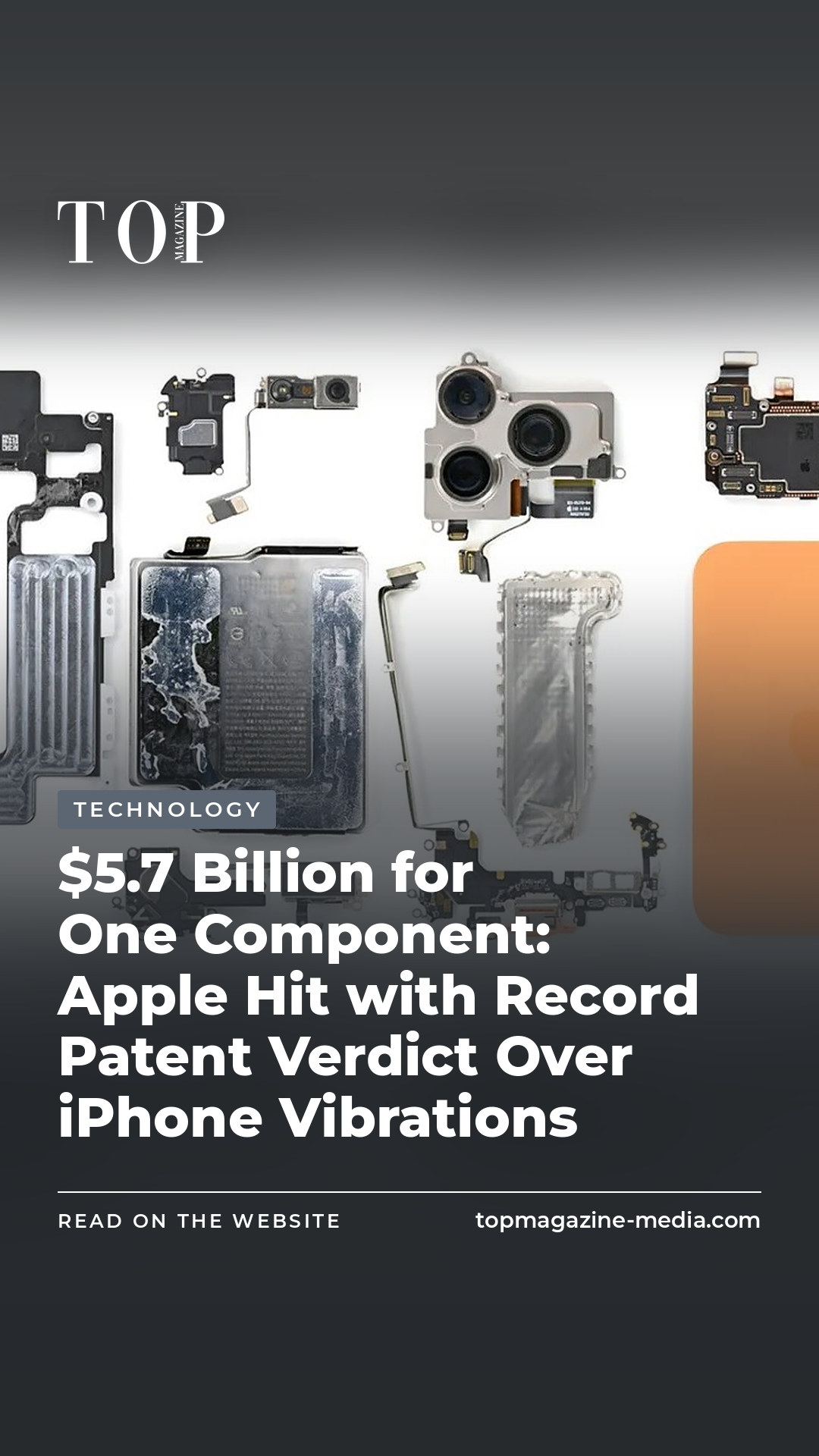
Apple has been hit with a record $5.7 billion patent verdict over Taptic Engine technology used in iPhone and Apple Watch. Here is what is known about the Taction Technology case.
Translated with AI. Original: Українська
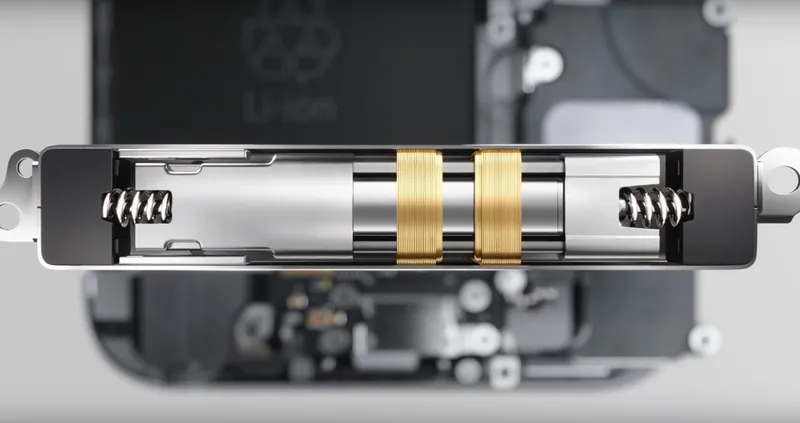
Apple may have to pay more than $5.7 billion over a technology that most users do not notice as a separate feature. It concerns haptic feedback: the short taps, pulses and vibrations that the iPhone or Apple Watch sends to the hand during interaction with the device. On September 25, 2026, a federal jury in San Diego ruled that the Taptic Engine system infringes two patents owned by Taction Technology. It is the largest patent verdict against Apple to date.
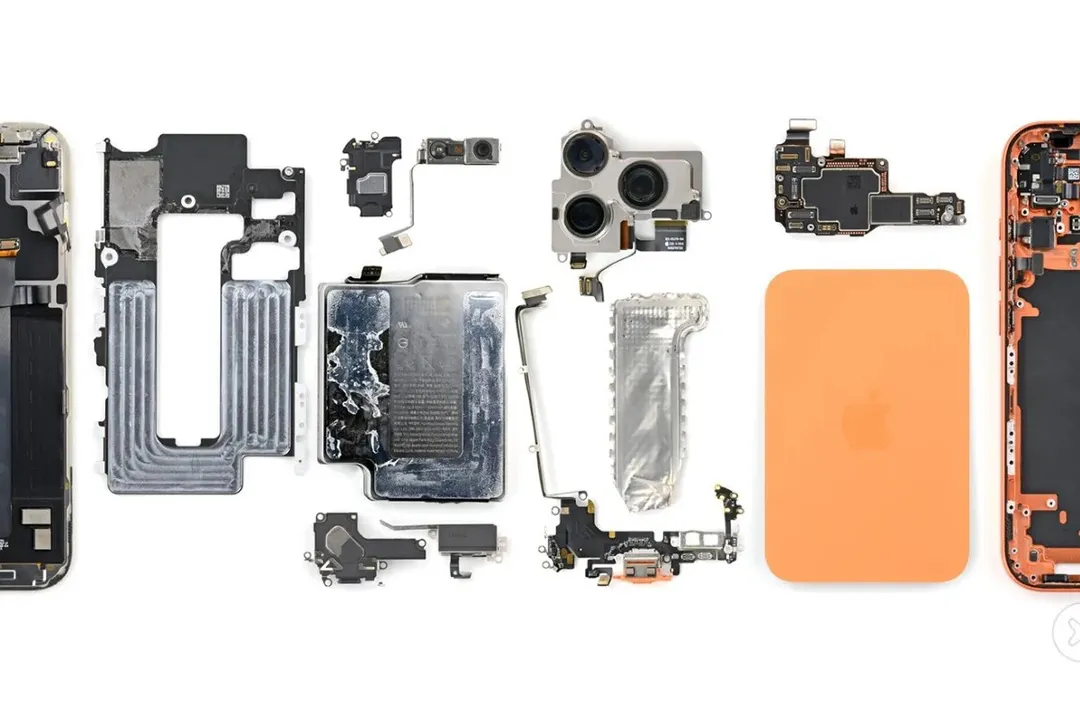
At first glance, the sum looks absurdly large for a technology that is hard to even see. But that is precisely the crux of the case. The Taptic Engine is part of the user experience of Apple devices: it is responsible for the physical sensations during interaction with the interface, from a brief tactile signal to notification vibrations. Apple introduced the Taptic Engine in the Apple Watch in 2014, after which the technology appeared in other company products, including the iPhone.
The plaintiff was Taction Technology, a San Diego company that works with haptic feedback technologies for headphones and gaming headsets. Its US 10,659,885 and US 10,820,117 patents concern haptic transducers capable of producing low-frequency vibrations that a person can feel through touch. According to the jury, Apple infringed precisely these patents in its implementation of the Taptic Engine.
Interestingly, this story could have ended several years ago. Taction filed its lawsuit against Apple in 2021, and in 2023 a federal judge in San Diego ruled in Apple's favor, effectively ending the case before a full jury trial. However, in August 2025 the Federal Court of Appeals overturned that decision and sent the case back. The appeals court pointed, among other things, to problems with the exclusion of part of the expert testimony and the interpretation of the patent claims.
During the new trial, the jury concluded that Apple infringed two patented technologies, but an important detail works in the company's favor: the jurors did not find the infringement to be willful. This matters for a potential increase in damages, because under U.S. law, enhanced damages can in some cases be awarded for willful patent infringement. The jury did not reach such a conclusion in this proceeding.
Apple categorically disagrees with the verdict. The company said its Taptic Engine is fundamentally different from Taction's technology, and test results presented during the trial, in Apple's view, confirm this. The company also said it does not use Taction's technology and will appeal the decision. That means the $5.7 billion does not currently mean Apple has already written a check for that amount. Post-trial procedures and an appeal lie ahead.
The size of the award itself makes the case unusual even for patent disputes among technology giants. According to Reuters, it is the largest such verdict against Apple. Meanwhile, Taction waited about five and a half years for a full trial. For a small technology company, such a case shows how valuable patent rights can become when a technology is built into a product of global scale.
There is one more revealing aspect to this story. The court case was not simply between two companies disputing one technology. Case documents showed that Taction's lawsuit was financed by third-party investors, including Gronostaj Investments and Kenosha Investments, which in another court case was linked to Burford Capital. This model of litigation financing is increasingly becoming part of major patent conflicts: a company can pursue an expensive process for years, raising capital against the potential future compensation.
That is why this case is interesting not only because of the $5.7 billion figure. It shows how costly a technology can prove to be when users perceive it as a minor interface detail. A single short pulse under a finger, which creates the sensation of a press or a notification, is the result of a complex hardware system and at the same time can become the subject of a long-running fight over intellectual property. The final sum Apple will actually have to pay, if it has to pay at all, will be determined after the next stages of the court process.
Also read: Apple Releases iOS 27 and macOS 27: New Siri Is Smarter, but There Is an Important Catch for Europe
Text: Arina Blyzniuk
Comments
No comments yet — be the first.
Discuss on Telegram