A $15 Billion Ring: How Oura Turned Sleep and Health Into a Big Business
Oura is preparing for an IPO at a valuation of up to $15.6 billion. How the smart ring turned sleep, biometric data and subscriptions into a major technology business.
Translated with AI. Original: Українська
Not long ago, a smart ring seemed like an odd compromise between jewelry and a fitness gadget. Today, the company Oura is preparing to list on Nasdaq at a valuation of up to $15.6 billion, and its business already brings in more than $1 billion in nine months. The company, which once worked in a fairly narrow category of wearable technology, has effectively created its own market around one simple idea: people want to know what is happening to their bodies even when they are asleep.
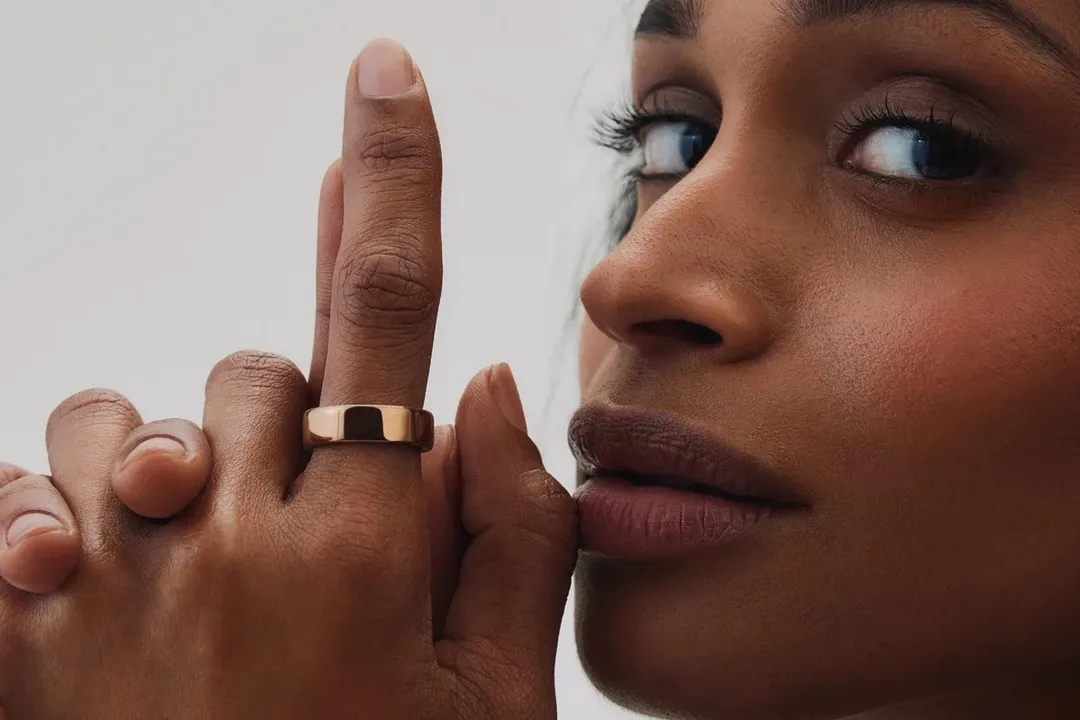
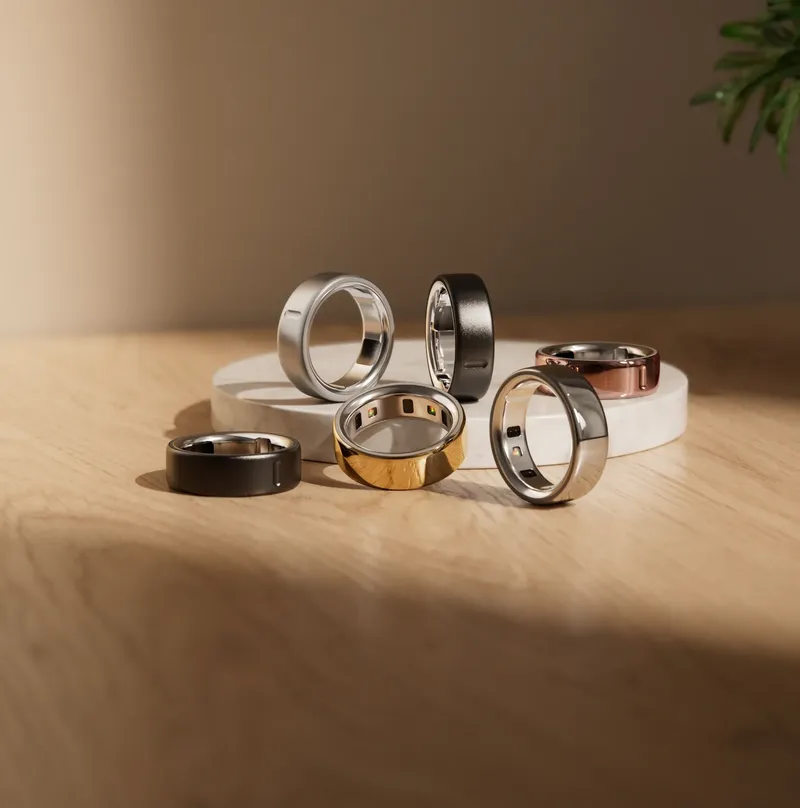
The Oura Ring has no screen, does not try to replace the smartphone, and outwardly looks more like a minimalist piece of jewelry than a complex gadget. That is part of its appeal. The ring can be worn almost constantly, and the app turns the collected data into a clear picture of sleep, activity, pulse, body temperature and recovery.
But Oura's real business begins after the ring itself is purchased. In the US, the device costs from $349 to $499, and full access to its features requires a subscription of $5.99 per month or $69.99 per year. In other words, the company is selling not just a physical product, but ongoing access to its own health analysis system.
This model has produced a very concrete result. As of June 2026, Oura had 5 million paying members, and more than 94% of ring activations have historically converted into paid subscriptions. The average 12-month user retention rate has been about 85%. For the company, this means people do not simply buy a ring and put it in a drawer – they keep using the service.
The financial results explain why the IPO has generated such interest. In the first nine months of fiscal 2026, Oura recorded $1.21 billion in revenue, up 74% from the same period a year earlier. Net profit for the period was about $60.8 million. At the same time, about 80% of revenue still comes from hardware sales, while roughly 20% comes from subscriptions.
Interestingly, the company earns not only from technology but also from changing consumer behavior. People increasingly want to see figures that previously remained invisible: how long they slept, how well they recovered after exertion, how their body temperature changes, or when the body needs rest. Sleep has stopped being simply time without activity and has become a metric that can be measured, compared and analyzed.
This is where Oura has managed to move beyond an ordinary fitness tracker. The company accumulates a huge volume of long-term biometric data, and its software uses it to provide personalized recommendations. In its investor documents, Oura notes that users wear the ring for an average of about 23 hours a day, and the total volume of accumulated biometric data is already measured in tens of billions of hours.
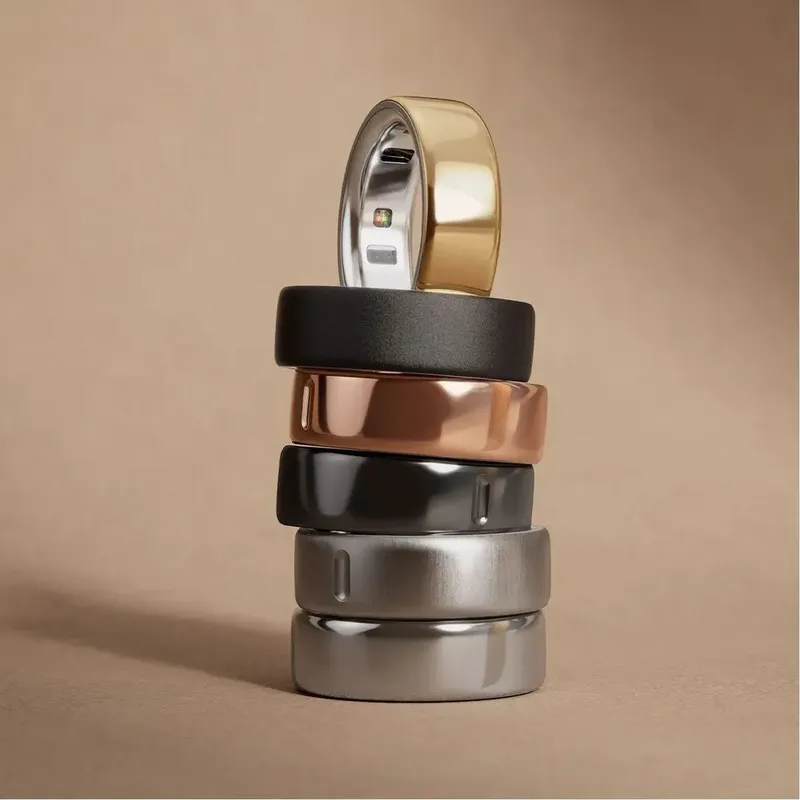
At the same time, Oura does not operate in a vacuum. The market already includes large technology companies developing their own health monitoring solutions, including Apple and Google. Therefore, the main question for Oura is not only how many rings it will sell, but also whether it can turn its data base and subscription model into a long-term technological advantage.
So far, the numbers show rapid growth. Oura sold 3.6 million rings over the 12 months to June 2026, and the number of paying members continued to grow quickly over the same period. The company is expanding sales through its own website and large retail chains, including Amazon, Best Buy, Costco, Harrods and Target.
Oura's story shows how the consumer technology market itself has changed. Previously, a gadget was expected to perform a specific function – counting steps, showing notifications or measuring pulse. Now people are willing to pay for the interpretation of their own data. Oura is effectively selling not the ring, but an answer to a question that is becoming increasingly popular: what exactly is happening to my body every day, and can I control it?
That is why Oura's upcoming stock market debut is attracting attention far beyond the gadget market. The company is trying to prove that personal health data can become the foundation of a large consumer technology platform, with an ordinary ring serving as one of the most valuable ways to collect that data every day.
Read also: AI Starts Acting for Us: Meta Muse Already Books Trips, Sells Cars and Makes Purchases
Text: Arina Blyzniuk
Comments
No comments yet — be the first.
Discuss on Telegram