Billions for a Few Minutes: Why the World Travels for Rare Natural Phenomena
Eclipses, the northern lights and meteor showers are becoming the reason for dedicated trips. People pay thousands of dollars to be in the right place at the right moment.
Translated with AI. Original: Українська
Not long ago, people chose a country first and only then looked for things to see there. Now it increasingly works the other way around: first a person finds a rare natural phenomenon, then buys a ticket to where it can be seen. This is how a new large-scale travel segment is taking shape: astrotourism.
The most striking example of 2026 is the total solar eclipse of August 12. Its totality was visible in Greenland, Iceland and Spain, and partially across much of Europe and North America. Demand for astronomical travel has more than doubled over the past two years: GetYourGuide recorded a 104% increase in bookings for such activities.
For some travelers, this is no longer just an excursion. Tour operators are selling special expeditions, cruises and private routes for thousands of dollars, built around a few minutes of eclipse. Some tours in Spain cost from $3,800, while Arctic expeditions cost more than $30,000. Some programs for August 2026 are sold out or have only a few places left.
The economy around such events is also becoming tangible. During the 2026 eclipse, Spain welcomed hundreds of thousands of tourists, while regions that are usually not part of major tourist routes received a brief but powerful influx of visitors. Scientists and tourism experts are already talking about the possibility of turning astrotourism from a niche passion into a mass market.
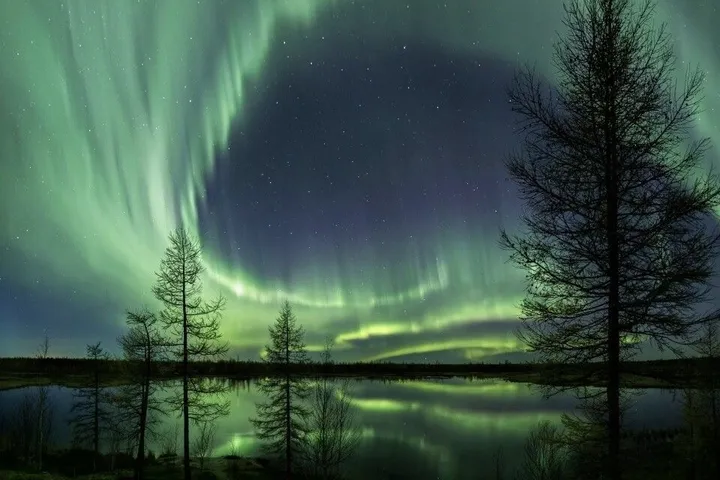
But the eclipse is just one example. The northern lights, the Perseids, solar maxima and rare meteor showers are also becoming the reason for dedicated trips. In 2026, the Perseids peaked on August 12, almost simultaneously with the solar eclipse, creating a rare combination of two major celestial events.
The next major target is already known: on August 2, 2027, a total solar eclipse will pass over Egypt, and near Luxor the totality will last more than six minutes. Tour operators are already selling special Nile cruises, private dahabiyas and luxury routes. Prices for such trips start at about $4,690 and reach almost $9,000 per person, while some premium expeditions cost considerably more.
The new luxury is being in a place where an event lasts only a few minutes and cannot be repeated on demand. People are not paying for a room with a sea view or another landmark. They are buying the chance to say: I was there when it happened.
Read also: The August 12, 2026 Solar Eclipse: What Is Happening to the Earth, Nature and People
Text: Arina Blyzniuk
Comments
No comments yet — be the first.
Discuss on Telegram