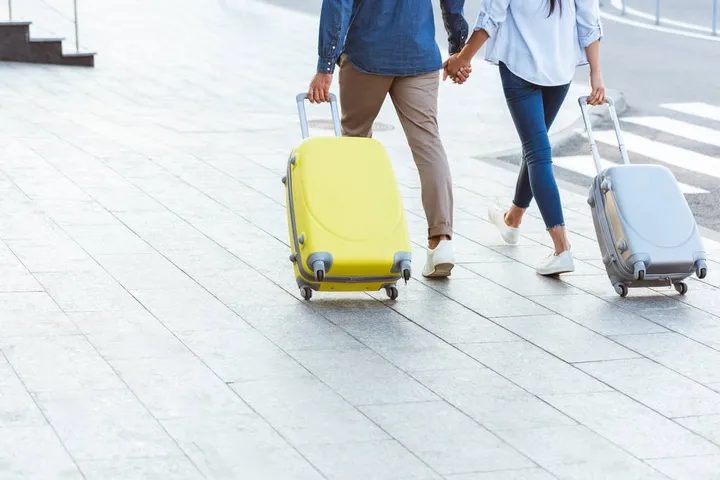
Travel Without Rush: Why Slow Travel Is Becoming a New Philosophy of Leisure
What slow travel is, and why travelers are choosing unhurried journeys, local experiences, boutique hotels and holidays without packed itineraries.
Translated with AI. Original: Українська
Until recently, a successful trip was often measured by the number of cities visited, photos taken beside famous landmarks and how packed the itinerary was. The more places one managed to see in a few days, the more productive the holiday seemed. Yet modern travel culture is gradually shifting its priorities. In its place comes slow travel — a philosophy of unhurried journeys, in which what matters is not the number of stops on an itinerary but the depth of the experience.
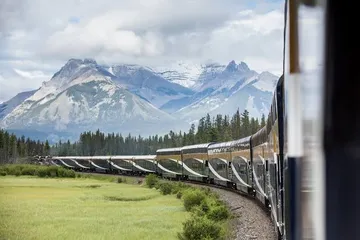
Slow travel suggests a different approach to planning a holiday. Instead of visiting five cities in a week, a traveler may spend the whole time in one region, exploring its small streets, local restaurants, markets, architecture and natural trails. Such a journey does not require constantly checking the clock or trying to fit everything in. The main value is the chance to feel a place, not just to visit it.
Local authenticity plays a special role in this culture. Travelers are increasingly interested not only in famous tourist sites but also in how a city lives beyond the popular routes. A small family bakery, a winery, a craft workshop or a restaurant serving local produce can leave a stronger impression than yet another obligatory item on a tourist checklist. That is why local experience is becoming a full-fledged part of the value of a journey.
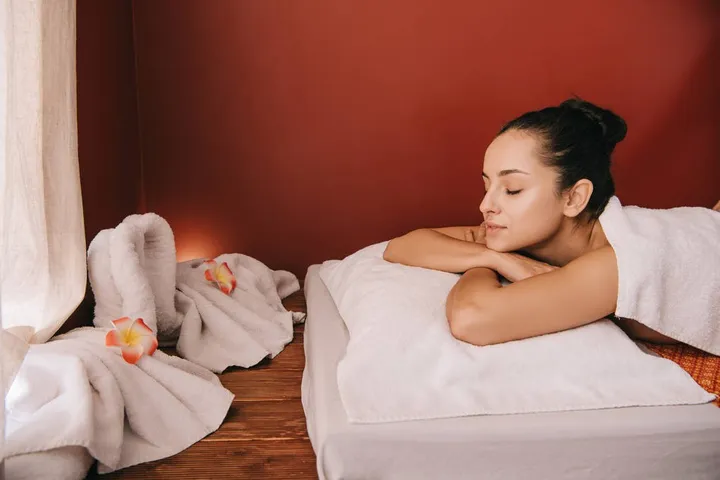
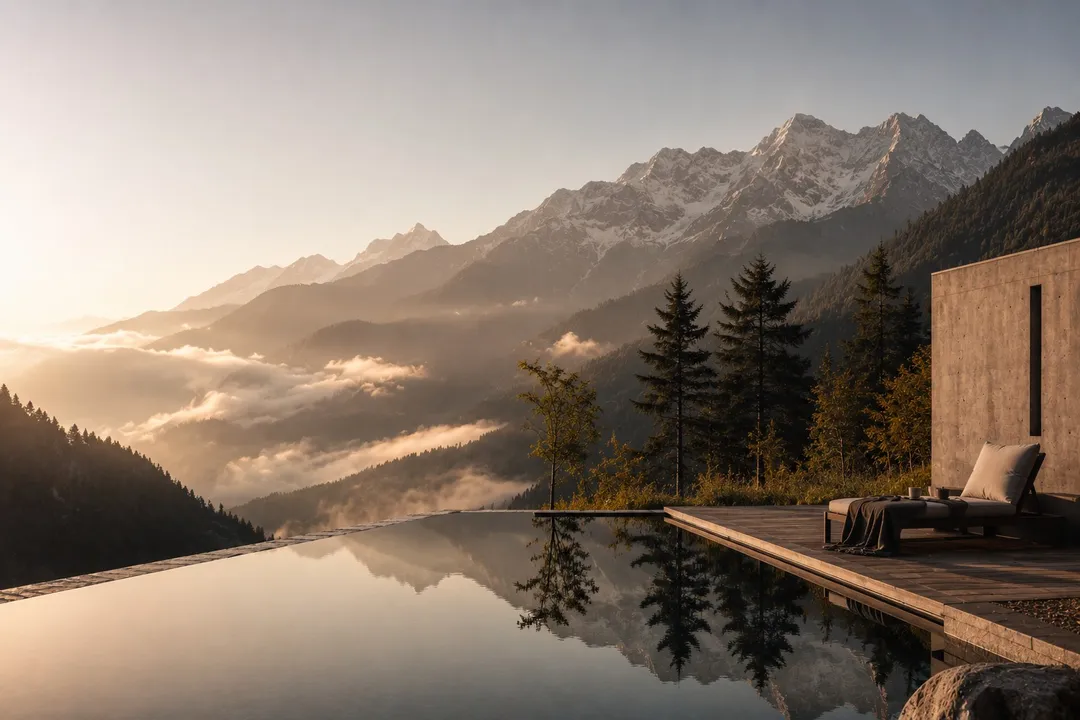
Attitudes toward accommodation are changing too. Instead of a hotel chosen solely for its proximity to the main sights, travelers may look for small boutique hotels, country estates, designer apartments or houses in nature. Atmosphere, privacy, architecture and the ability to relax at a comfortable pace become important. Space itself increasingly defines the character of a holiday: sometimes the best memory of a trip is a leisurely breakfast on a terrace with a view of the mountains.
Slow travel also resonates with conscious consumption. Fewer transfers can mean lower transport costs and a more thoughtful choice of route. At the same time, this philosophy is not reduced to saving money or to environmental arguments. It offers a different way of engaging with the world: paying closer attention to culture, people, local traditions and one's own needs. Travel stops being a race for the most impressive route.
This approach does not mean giving up big cities, popular resorts or action-packed adventures. It is rather about the freedom to choose one's own pace. Some people need museums and restaurants, some need a week by the sea without plans, and others need a small town where they can wake up without an alarm clock. The new luxury of travel lies not in the quantity of what one sees, but in the quality of the time a person can afford.
Read also: Train journeys are becoming a distinct travel experience
Text: Arina Blyzniuk
Comments
No comments yet — be the first.
Discuss on Telegram