
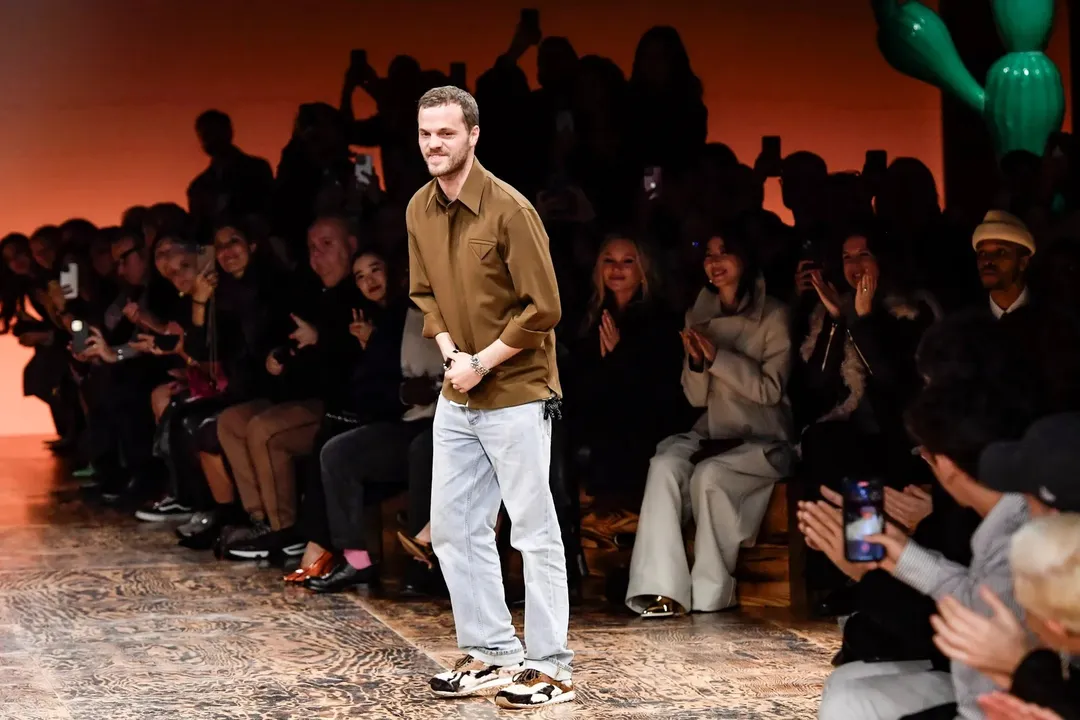
Chanel Is Back in the Game: How Matthieu Blazy Turns the Fashion House's Heritage into a Billion-Dollar Business
Chanel is showing financial resilience after the appointment of Matthieu Blazy. How the new creative director is updating the fashion house's heritage and winning back buyers' attention to one of the most influential brands in the luxury industry.
Translated with AI. Original: Українська
Chanel found itself in an unusual situation: one of the world's most influential fashion houses had to prove that its historic codes remain relevant for a new generation of buyers. The change of creative leadership became not just a staffing decision, but an attempt to reinterpret the brand without losing what had shaped its value for decades. The first results of this strategy are already visible in financial indicators and audience response.
In 2025, Matthieu Blazy took over the creative direction of Chanel, succeeding Virzhyni Viar. Before that, the designer worked at Bottega Veneta, where he earned a reputation as a master capable of combining complex work with materials, conceptual design and commercial appeal. For Chanel, his appointment meant an opportunity to update the brand's visual language without a radical break from its heritage.
The financial results show that this is not only about aesthetic changes. According to Chanel, the company's revenue for 2025 amounted to $19.3 billion, while operating profit grew by about 5% to $4.7 billion. At the same time, net profit declined, so these figures should not be read as unequivocal growth across all areas. The results reflect a more complex picture: the company continues to invest in developing the brand even as the luxury market faces economic uncertainty.
The performance of the American market drew particular attention. According to The Wall Street Journal, during Blazy's first year in the role, Chanel's sales in the US rose by 25%. This indicator refers to a specific market and period, so it should not be confused with the company's total annual revenue. Still, it shows how important the brand's ability to win back buyers' attention remains in regions with a high concentration of affluent customers.
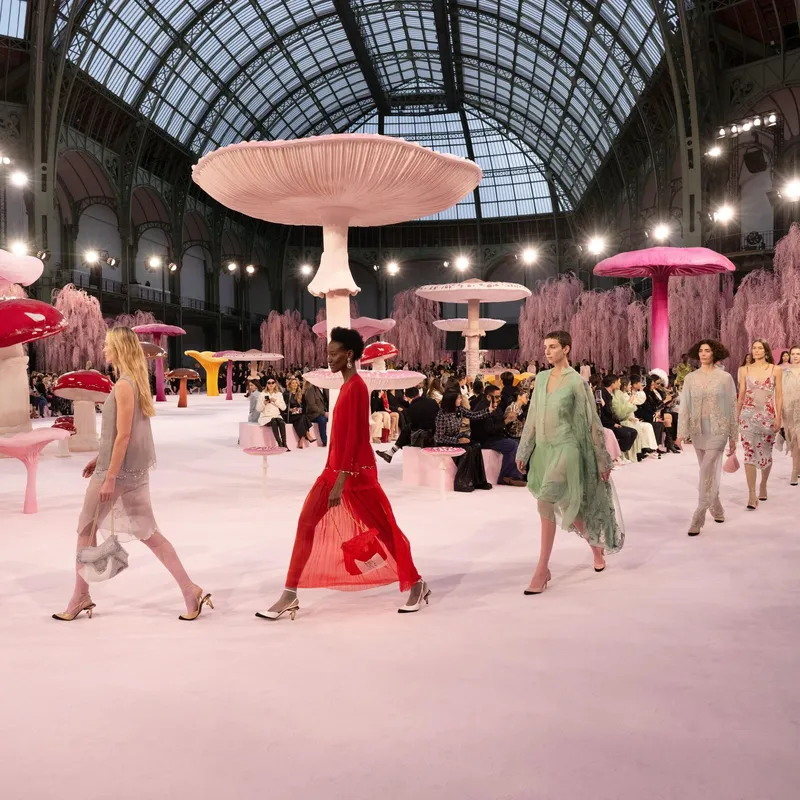
One of the distinctive features of Blazy's approach is working with Chanel's recognizable codes without turning them into museum exhibits. Tweed suits, bags, silhouettes and the characteristic Parisian aesthetic remain part of the brand's DNA, but acquire a different tone. Instead of literally reproducing archive looks, the designer offers a reading that corresponds to the modern rhythm of life and the expectations of the audience.
Interest in his work has begun to extend beyond the traditional fashion press. The term “Blazymania” has appeared in the media, describing the wave of attention to the new creative director and his collections. An important test was not only presenting the clothes on the runway, but also the moment when the collections reached boutiques and buyers had the chance to assess them in a commercial setting.
At the same time, the changes are not limited to design. According to industry media, Chanel has reorganized its creative studio, enlarging the team and distributing work across the main areas, from haute couture to prêt-à-porter and the Métiers d'art collections. This structure makes it possible to develop different lines of the brand while maintaining a shared creative concept.
This matters especially for Chanel, since its business model relies to a large extent on control over the customer experience. The brand does not sell its main fashion collections through its own online store; instead, it bets on a network of boutiques and physical interaction with the product. Under this approach, the buyer's desire to see an item in person, try it on and purchase it in a boutique becomes part of the brand's value.
However, the real outcome of this creative change will not be determined by a single season or by viral videos from runway shows. For Chanel, it is fundamentally important to turn attention to the new designer into stable demand, without devaluing exclusivity and without distancing the clients who have supported the brand for decades.
Matthieu Blazy does not need to create a new Chanel from scratch. His task is harder: to make the already famous Chanel seem desirable again. And it is precisely the ability to combine a recognizable heritage with a fresh creative vision that may determine whether the current revival becomes a long-term business advantage.
Also read: A $10 Million Bag: How the Hermès Birkin Became the Most Expensive Accessory in History
Text: Arina Blyzniuk
Comments
No comments yet — be the first.
Discuss on TelegramRead also
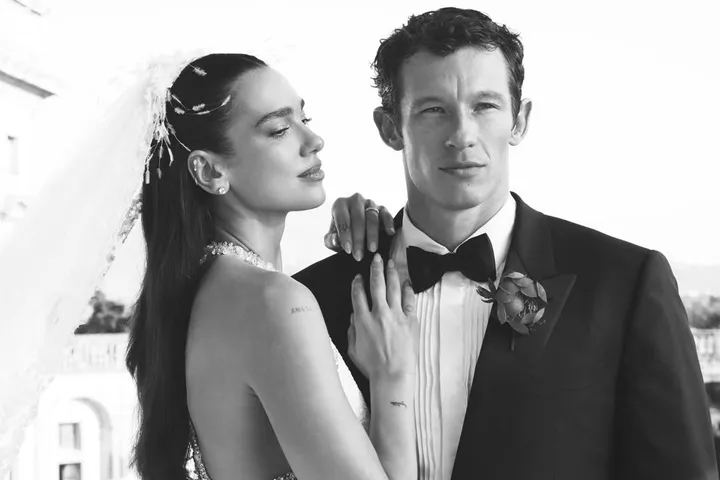 Dua Lipa's Wedding Dress: Chanel Haute Couture, 480 Thousand Details and a New Era of Bridal Fashion
 Who Decides What Will Be Fashionable Tomorrow: New Centers of Influence in the Fashion Industry
 Balenciaga will be led by a woman for the first time in 109 years: who is Martine Rose and why her appointment will change the fashion house