One of the World's Largest Photo Banks Has Filed for Chapter 11. What Comes Next?
Getty Images has started Chapter 11 proceedings in the US. The Getty family and Koch Equity Development plan to invest up to $533 million, reduce the debt burden and take the company private.
Translated with AI. Original: Українська
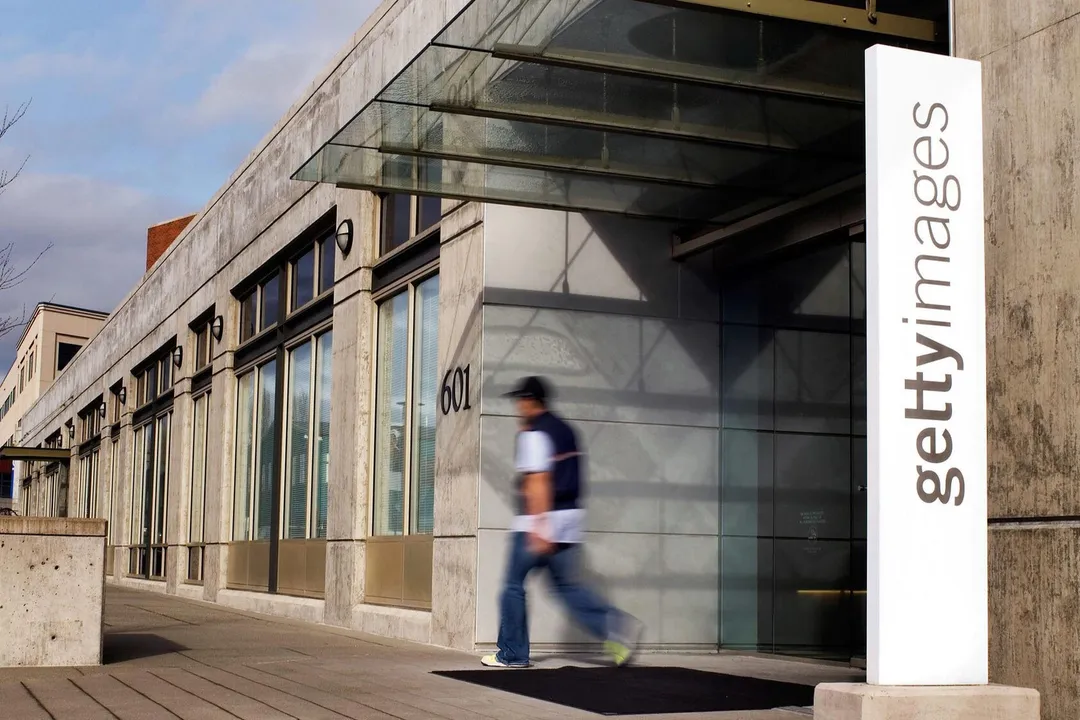
Getty Images has officially started Chapter 11 proceedings in the US to restructure its debts and move to private ownership. On October 21, 2026, the company confirmed the start of the court process, which is meant to carry out a previously agreed financial reset plan. It provides for up to $533 million in new equity financing from members of the Getty family and entities of Koch Equity Development. At the same time, the company says it will continue operating as usual.
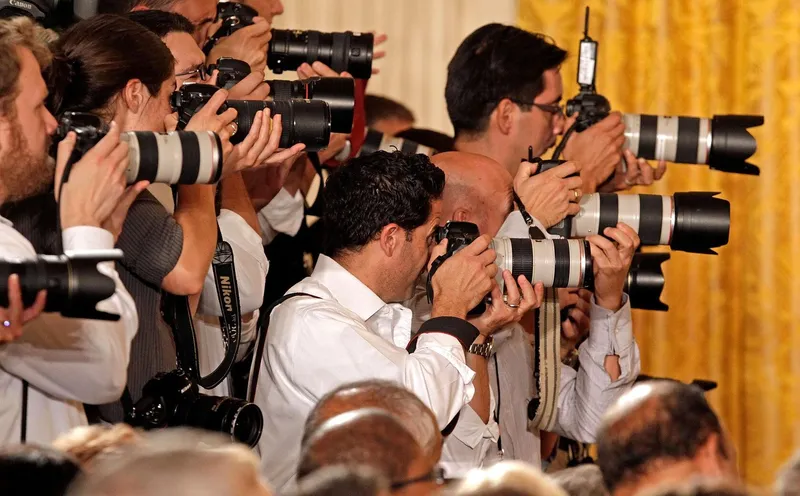
For one of the world's best-known suppliers of photos and video, this is a major corporate turn. Getty Images has for decades worked with international media, advertising agencies, publishers and brands that need professional images with appropriate licenses. Its archives are used for news, advertising campaigns, magazine covers and commercial projects. That is why financial changes at the company matter far beyond the stock market.
At the same time, it is important to distinguish the legal procedure from an actual cessation of operations. Chapter 11 is a protection mechanism under US law that allows a company to restructure its financial obligations under court supervision without automatically stopping its work. Getty Images has not announced the closure of its business: its plan, on the contrary, provides for continuing operations during the proceedings.
According to the announced plan, members of the Getty family and related Koch Equity Development entities are to invest up to $533 million in the company's equity. In parallel, creditors have agreed to a significant change in debt obligations. In particular, the plan provides for writing off $270 million of unsecured bonds through buyback or repayment, as well as changing the terms of part of the secured debt, including lowering the interest burden and extending repayment deadlines.
After the process is completed, the reorganized Getty Images is to pass into full ownership of the investors supporting the deal, and the company will become private. The expected deadline for completing the restructuring is the end of 2026. However, the outcome depends on passing the necessary procedures and approval of the plan by the court.
The reasons for this step are linked to the company's financial structure and pressure on its business model. Getty Images carries significant debt obligations, and its attempt to merge with rival Shutterstock ended in failure. In July 2026, the planned merger worth about $3.7 billion did not take place after the British regulator set conditions requiring the separation of Shutterstock's editorial business. Getty Images did not agree to implement the proposed scheme.
In the visual content market, the company also faces structural changes. Clients are increasingly using digital tools to create images, reviewing advertising budgets and looking for new ways to work with content. At the same time, demand for authentic photographs, especially in news, documentary material and corporate communications, remains important. What matters here is not only the quality of the frame, but also verified origin, usage rights and the credibility of what is depicted.

However, it is not worth reducing Getty Images' financial difficulties solely to the development of artificial intelligence. In the company's statements, the key emphasis is on debt restructuring and settlement of legal obligations that do not belong to its everyday operational activity. It is precisely this financial overhaul that is meant to give the business a chance to keep working without the previous debt burden.
For photographers and videographers, the question of continued cooperation with the platform is important. Getty Images says it does not expect the procedure to have a negative impact on employees, content creators, clients, partners and suppliers. Under the plan, current operational obligations are to be fulfilled as usual. At the same time, the final results of the restructuring can only be assessed after the process is completed.
There is a broader business lesson in this story. A well-known name, a huge archive and a global client base do not guarantee financial stability if the structure of debt limits a company's options. Getty Images is trying not to disappear from the market, but to change the terms on which it operates. The main question now is whether the new capital and debt reduction will be enough for the company to keep its position in an industry where images have become more accessible, but trust in them remains precious.
Text: Arina Blyzniuk
Comments
No comments yet — be the first.
Discuss on Telegram