Primark gives in: why the biggest opponent of online shopping has finally started delivering clothes to homes
Primark is launching home delivery in the UK for the first time and investing £90 million in an automated center. Why one of the biggest champions of offline retail is changing its strategy.
Translated with AI. Original: Українська
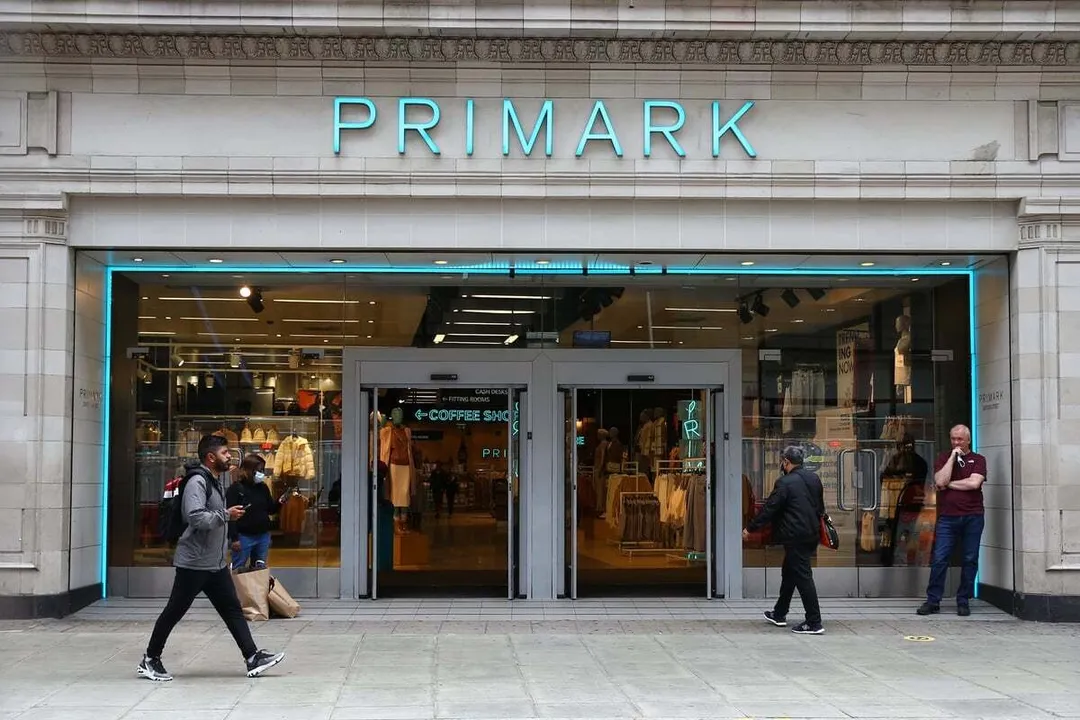
For decades, Primark built its business on the principle of "come to the store and buy." Now that model is coming to an end. The British giant is launching home delivery for the first time, a decision that just a few years ago would have seemed almost unthinkable for the brand.
Associated British Foods, which owns Primark, announced that the brand will start delivering purchases to customers in the UK. Previously, Primark only allowed customers to collect individual orders through its click-and-collect system, but it did not offer full home delivery.
The reason for the change in strategy is not a sudden love of technology on Primark's part, but simple economics. Online retail has become profitable enough that even a company that for years rejected it has reconsidered its position. To launch the new division, Primark bought Debenhams' automated order-processing center in Sheffield for £90 million.
For the brand itself, this is a pivotal moment. Primark built its popularity on huge stores, low prices and a large flow of shoppers. Its model was almost the opposite of the one digital retail platforms had been developing for decades: a person had to physically come in, see the item, try it on and take it home right away.
Now customers are being offered something different. They can see the product online, place an order and receive it at home. At first glance, this is simply another way to shop. In reality, for Primark it means rebuilding the brand's very economics, since delivery, returns and the processing of online orders require an entirely different infrastructure.
Interestingly, Primark is making this move just as its core business shows signs of pressure. According to Associated British Foods, the company expects Primark's like-for-like sales to fall by about 3% in the fourth quarter, with weaker results in continental Europe partly offset by growth in the UK and Ireland. After the results were published, shares of Primark's owner fell by more than 11%.
So delivery is not just a convenience for the buyer. For Primark, it is a way to adapt an old model to a new generation of consumers. People are already used to searching for items on their smartphones, comparing prices online and ordering clothes to their homes. Even a brand that built its empire on physical stores can no longer ignore this behavior.
At the same time, Primark is not turning into a regular online store. Physical stores remain the foundation of its model, while delivery becomes an additional sales channel. This combination may prove the most interesting thing for the future of mass retail: the customer gets freedom of choice, and the brand keeps the scale of its stores.
There is also a broader context. Retail is now going through a moment when the line between physical and digital stores is almost disappearing. Even during New York Fashion Week, major brands are actively opening new physical stores while investing in digital sales. This week, Vogue Business described the wave of new openings as a sign that the story of the "death of stores" was premature.
Primark finds itself at the center of this transformation. The brand is not abandoning stores; it recognizes that today's shopper no longer wants to choose between a store and a phone. They want both options.
That is why the launch of Primark's delivery may prove far more important than just a new service. One of the best-known champions of traditional offline shopping has finally acknowledged that the future of fashion lies not in stores or the internet alone, but in letting the customer switch between them with a single tap.
Read also: New York Fashion Week SS27 starts: the season's main debuts and comebacks
Text: Arina Blyzniuk
Comments
No comments yet — be the first.
Discuss on Telegram