Hotel from “Home Alone 2” Closes Its Doors: Why the Plaza Is Disappearing from New York for Four Years
The legendary The Plaza Hotel in New York will close in January 2027 for at least four years. The history of the hotel from “Home Alone 2” and the reasons for the restoration.
Translated with AI. Original: Українська
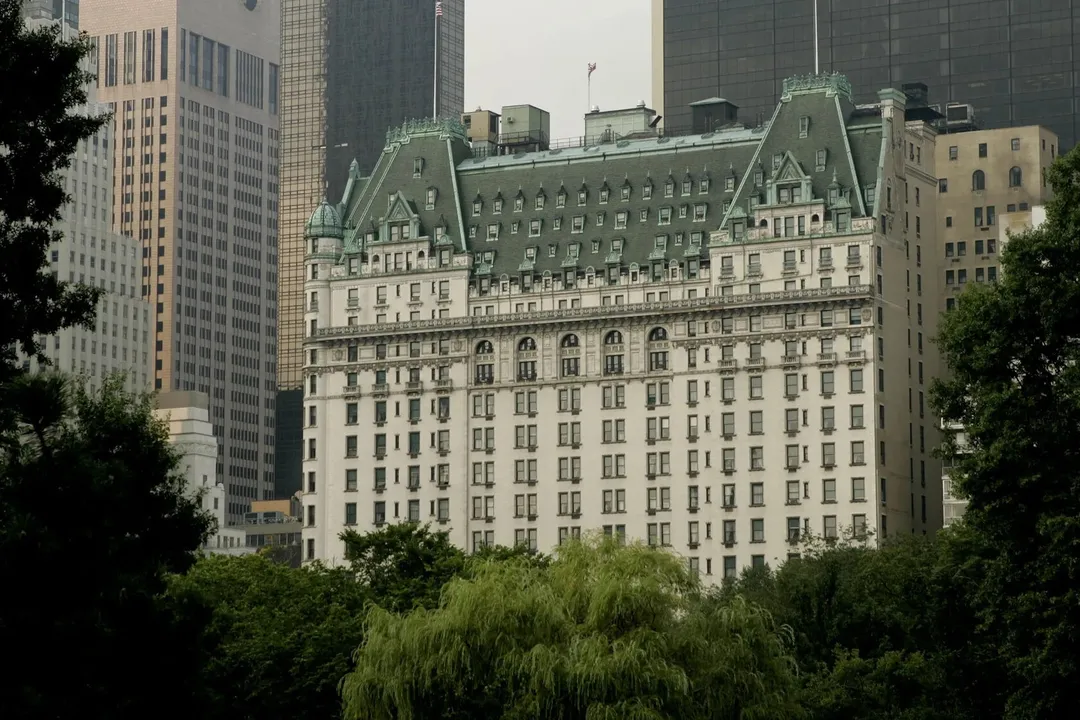
One of New York's most famous addresses will soon fall silent. The Plaza Hotel, where Kevin Makkalister lived in the presidential suite in the film “Home Alone 2,” has announced a long-term closure. In January 2027, the hotel will stop welcoming guests for at least four years. The reason is a large-scale restoration of the historic facade, which will so complicate the building's operation that continuing full guest services will be impossible. For New York, this is not just the renovation of another hotel but the temporary disappearance of one of the city's most recognizable symbols.
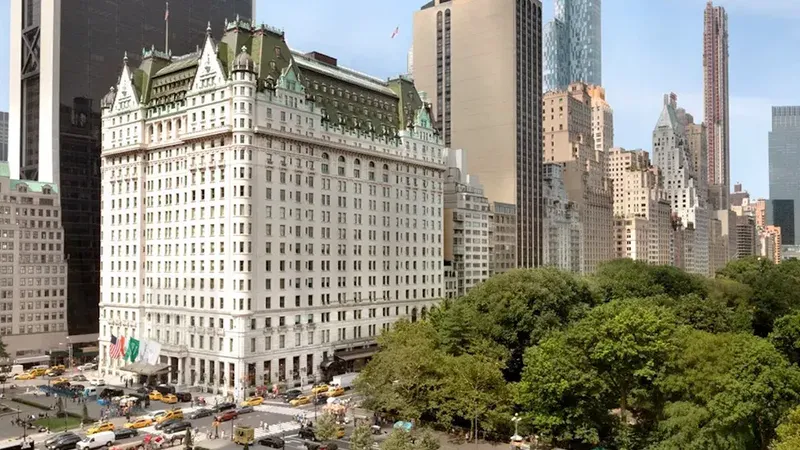
The Plaza opened in 1907 at the intersection of Fifth Avenue and Central Park South. The building was designed in the style of a French Renaissance château: its light facade, mansard roof and majestic silhouette made it resemble a European palace in the middle of Manhattan. Over more than a century, the hotel became part of the city's identity, and its interiors became the embodiment of classic American luxury. The Plaza has become an address that itself signifies status, regardless of who stays in its rooms.
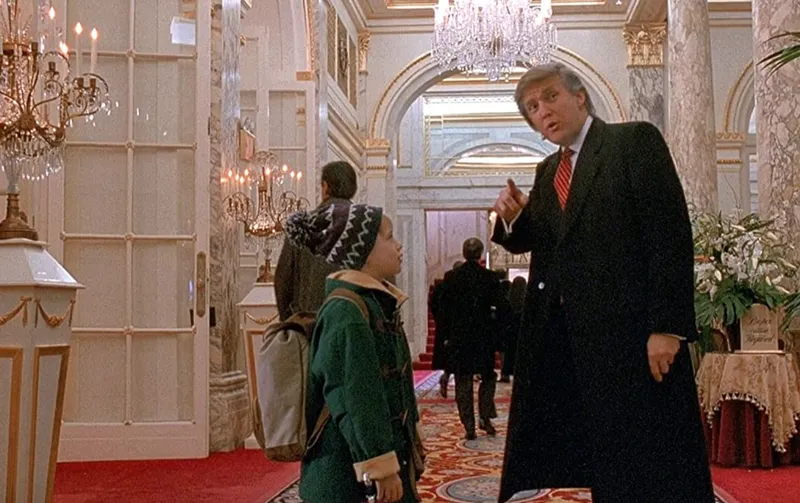
For many people, their acquaintance with the hotel began not with a trip to New York but with a movie. In “Home Alone 2: Lost in New York,” Kevin Makkalister checks into the Plaza, orders a luxurious room and enjoys the life of a little guest in a grand hotel. These scenes have become part of Christmas pop culture, and the building itself is a place that even those who have never been to the United States recognize. The Plaza also appeared in other well-known films, including “The Great Gatsby” and “Sleepless in Seattle.” Sometimes a few minutes on screen do more for a hotel's recognizability than a decade of advertising.
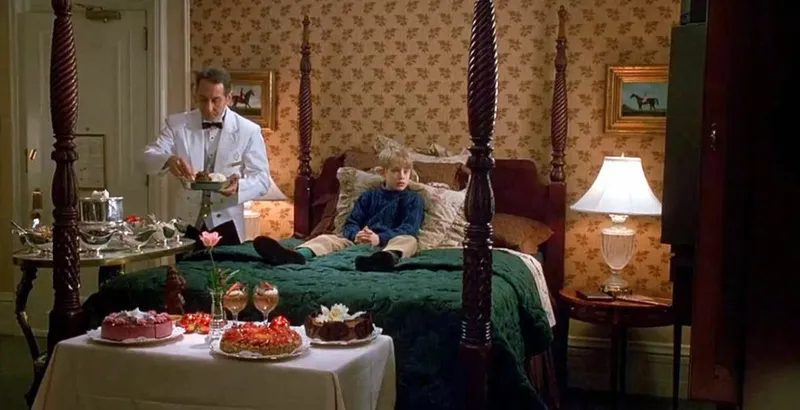
Yet the history of the Plaza is far broader than Hollywood. The hotel was a meeting place for celebrities, cultural events and society evenings. The Beatles and numerous figures in the arts were among its guests, and in literature it became a symbol of a particular New York world. The Palm Court enjoys special popularity: a space for afternoon tea under a glass ceiling and amid lavish decor. For many tourists, this is not just a restaurant but a ritual, for which it is worth including the Plaza in an itinerary even without an overnight stay. During the closure, this experience will also become unavailable.
Behind the facade of the legend lies a complicated history of owners and financial decisions. In 1988, Donald Tramp bought the hotel, at the time known primarily as a real estate developer. Later, excessive debt became a serious problem, and in 1995 he sold a controlling stake. In the following years, the Plaza changed owners, underwent large-scale renovations and adapted to the new market for luxury real estate. During the 2005–2008 reconstruction, part of the building was converted into private residences. Now the hotel is again facing major work, but this time the main task is to preserve its historic shell.
The administration explains the new closure by the need to restore the facade, which is protected as a historic landmark. The work requires careful planning, coordination with the relevant authorities and compliance with rules for preserving architectural heritage. The full estimate and all details of the restoration have not yet been announced. The closure is expected to last at least four years, but the exact date for welcoming guests back has not yet been confirmed. This is not about the final disappearance of the Plaza, but about a long pause for the sake of preserving the building.
At the same time, the closure raises the question of people for whom the Plaza is not a tourist landmark but a workplace or a home. The building houses not only hotel rooms but also private apartments. The hotel workers' union said its members will have the right to return to work after the reopening on the same pay terms, and during the closure they will be helped with finding employment. What exactly will happen to the apartment residents during the restoration has not yet been clarified.
The Plaza has survived changes in fashion, owners, economic crises and previous reconstructions. But this time its absence will be felt especially strongly: tourists will not be able to book a room, visit the Palm Court or repeat Kevin Makkalister's cinematic route. In a city that is constantly being rebuilt, historic buildings often become the backdrop for new life. The Plaza itself has become part of that life: a stage set, a symbol and a place with its own reputation.
In January 2027, one of New York's most famous addresses will briefly disappear from tourist plans. And although the hotel promises to return after the restoration, four years is a long time for a place that lives in the collective memory of generations. Sometimes the loudest news about luxury is not the opening of a new hotel, but the moment when a legendary hotel has to close its doors.
Also read: Why Hotels Are Becoming Places You Want to Return to Even Without Traveling
Text: Arina Blyzniuk
Comments
No comments yet — be the first.
Discuss on Telegram