Tennis as a System of Quiet Status: Brands, Watches and Controlled Luxury
How tennis became a platform for luxury brands — from Rolex to Richard Mille and Hermès — and why this sport shapes the purest format of status.
Translated with AI. Original: Українська
Tennis is one of the few sporting worlds where status is not displayed aggressively. It does not shout, does not compete for attention and does not rely on chaotic media presence. It works through control, quiet and precise brand presence.
That is precisely why it has become an ideal environment for the luxury industry.
The most famous example is Rolex. The brand has been integrated into the structure of tennis for decades: from Wimbledon to Roland Garros and the US Open. But its role does not come down to a logo. It symbolizes the very logic of the sport — precision, time, control of the moment.
But tennis has long ceased to be "mono-brand".
A whole system of watch brands operates in this environment, each occupying its own niche of status:
Rolex — classic stability and tradition. This is tennis's "official" luxury code.
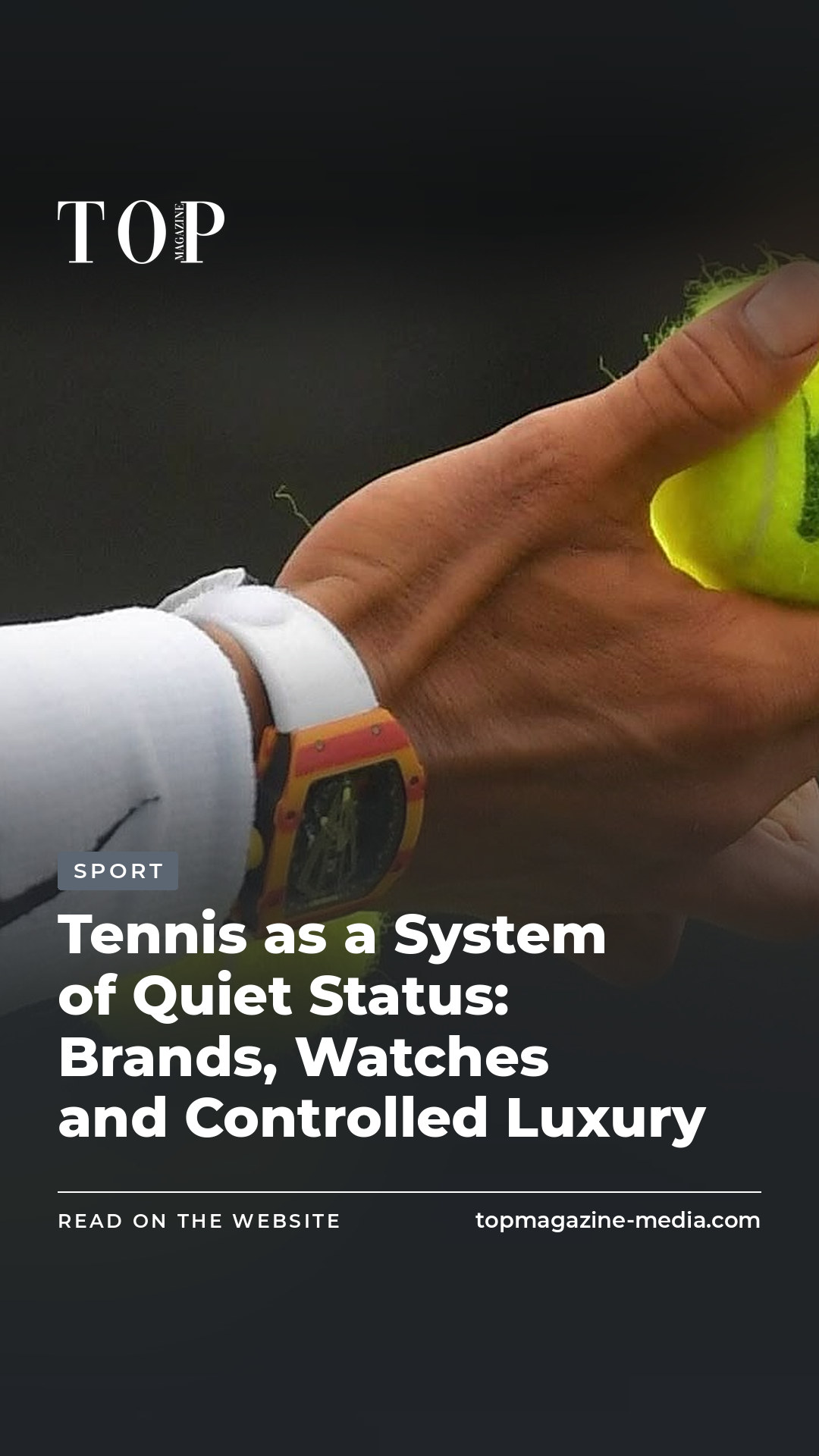
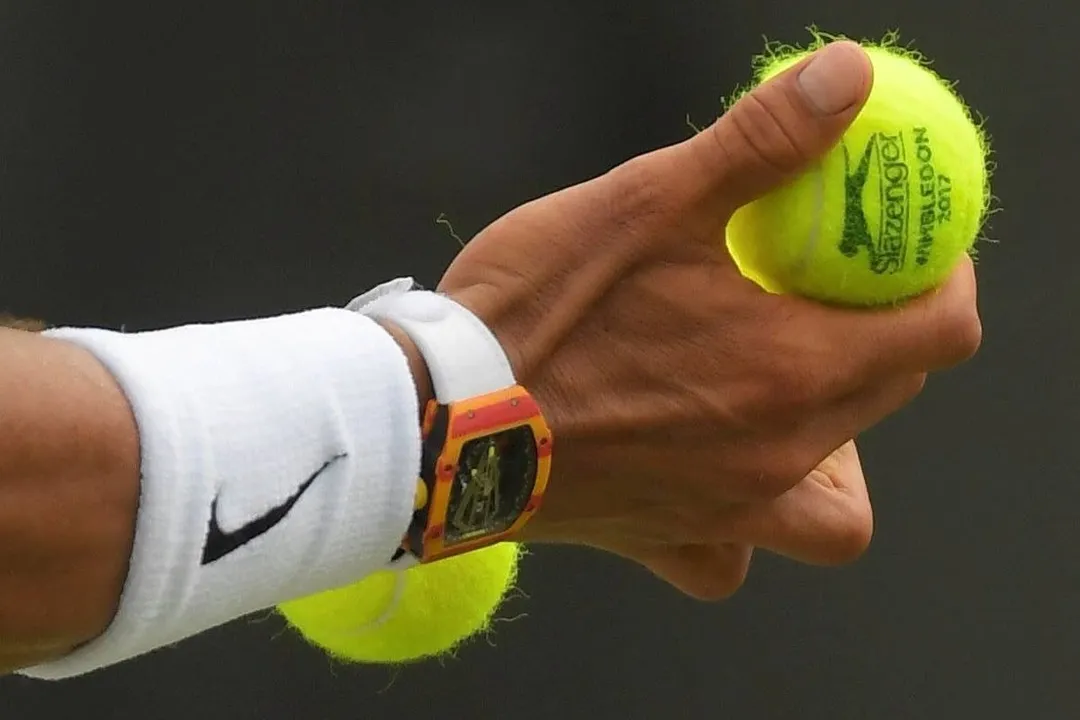
Richard Mille — the ultra-modern level of status. It is associated with the top sports ambassadors and the most expensive technological watches. In tennis it reads as a symbol of a new elite — younger, more global, more aggressive in its status.
Patek Philippe — the quiet ultra-luxury level. It is not about sport as such, but about hereditary status and a long history of wealth.
Omega — a more public luxury layer, often integrated into sporting events through ambassadors and official partnerships.
Tudor — the "accessible luxury" level within the same system, often present alongside bigger brands as part of the ecosystem.
And importantly: in tennis, watches are not just an accessory. They are a marker of social code. They are worn during play, and also become part of the look off court — in the boxes, at arrivals, in media moments.
A separate layer is fashion brands.
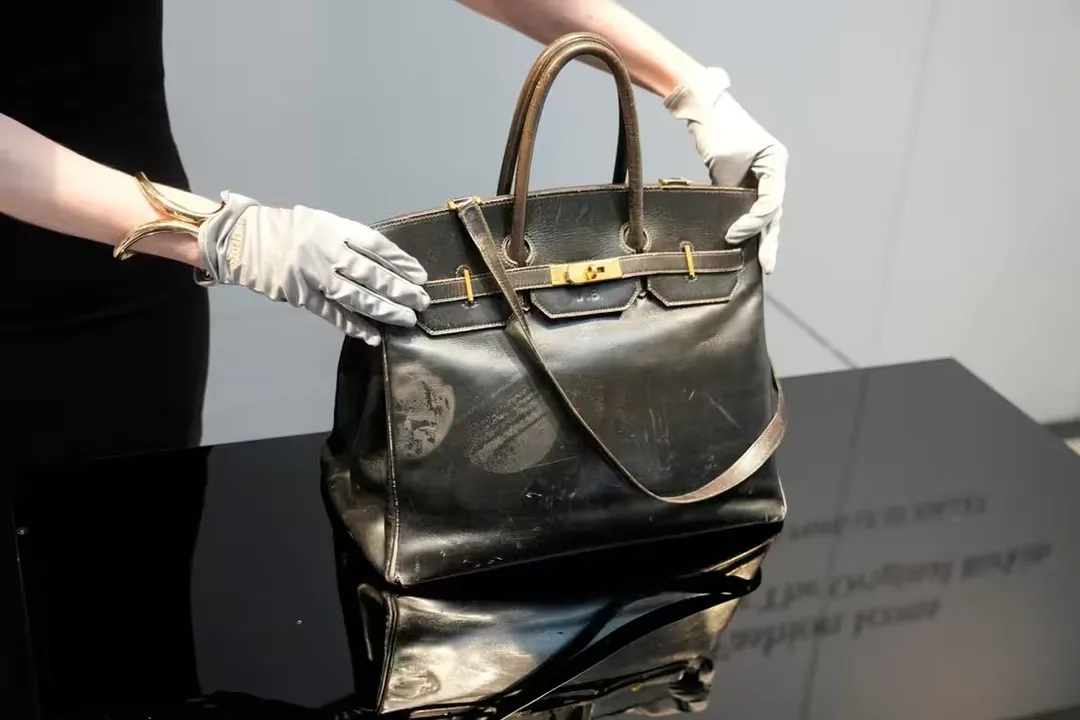
Hermès works here as a different type of status: not sporting, but lifestyle-elite. It appears not as a sponsor of the game, but as part of the visual culture of spectators and the VIP space. It is not about the logo, it is about the environment.
Other high fashion brands work in the same way: they do not "invade" tennis, but integrate into its atmosphere through VIP areas, guests' clothing and the overall aesthetics of the event.
And this is where the main point becomes clear: tennis is not a sport that sells itself to brands. It is a brand system that sells the right environment of status.
Status here does not look like a demonstration. It looks like silence, the right place and the right watch on the wrist.
And that is exactly why tennis remains one of the purest formats of luxury culture in Europe.
Read also: Tennis Tournaments as Closed Social Scenarios of Europe
Text: Arina Blyzniuk
Comments
No comments yet — be the first.
Discuss on Telegram