Uniqlo Earns More in Western Markets Than in China
Uniqlo set a record profit, and North America and Europe overtook China on combined results for the first time. How the Japanese basics brand became a global player.
Translated with AI. Original: Українська
Uniqlo is earning more and more outside Asia. Japan's Fast Retailing, the brand's owner, closed the fiscal year ending August 31, 2026, with a record operating profit of 743.1 billion yen, up 32% from a year earlier. For the first time, the combined results of North America and Europe exceeded those of Greater China. For a company that long relied on the Chinese market as one of the main engines of international growth, this is a strategic turn.
Uniqlo's secret lies not in constantly chasing trends but in the opposite approach. The brand has built its business around LifeWear, functional everyday clothing that is meant to be comfortable, durable and easy to combine. T-shirts, shirts, knitwear, down jackets and basic pants are not secondary items between collections here but the core of the assortment. Instead of forcing customers to assemble a new wardrobe every time, Uniqlo offers pieces that people can return to season after season.
The company grew from a store opened in 1984 in Hiroshima, Japan, into an international network with more than 2,500 Uniqlo stores. Its strategy combines standardized core designs with adapting the assortment to local demand. Functional fabrics, UV protection, thermal underwear and clothing for different temperatures help the brand compete not only on design but also on practical qualities.
Western markets have become the main source of new momentum. In fiscal 2026, Uniqlo's revenue in North America grew 34.6%, and in Europe 38.7%. Profit in these regions also grew faster than in many mature areas of the business. The company attributes the result to opening flagship stores, more active brand communication and demand for pieces that combine basic design with contemporary silhouettes.
This is happening against the backdrop of changes in fashion retail. Some shoppers have grown tired of high prices for luxury goods and are looking for clothing that looks current but does not require large spending. Uniqlo occupies a middle position between cheap mass fashion and premium brands: its value is built on functionality, material quality and recognizable minimalism rather than on the logo as a symbol of status. This approach makes a basic wardrobe a full-fledged offer rather than a compromise.
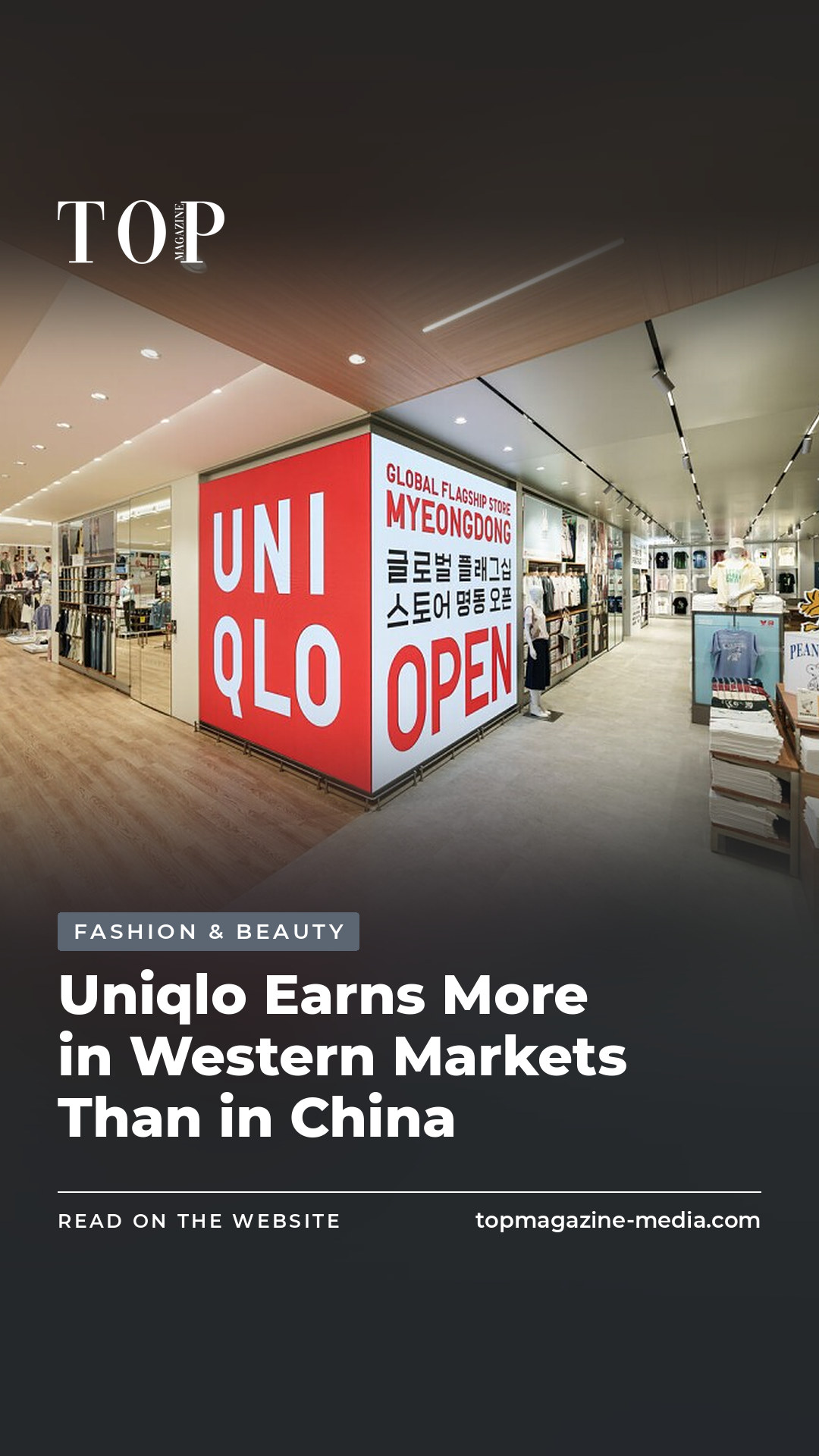
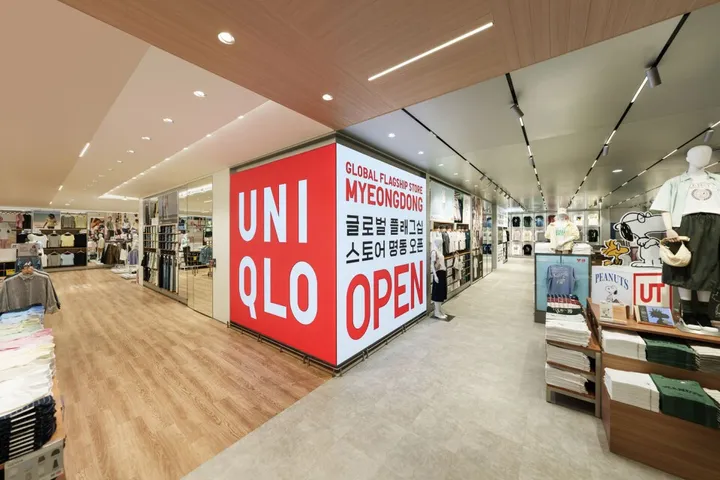
Physical stores also play an important role. Large flagship spaces allow the assortment to be shown as a coherent system, demonstrate the properties of fabrics and offer ready-made combinations. For Uniqlo, a store is not just a point of sale but a way to explain the LifeWear concept. The brand's international revenue grew 26.2% in 2026, and profit in this segment rose 44.1%, which confirms the weight of overseas expansion for the entire group.
However, the shift in the center of growth does not mean China has lost its importance. Greater China brought Uniqlo 724 billion yen in revenue, while North America and Europe together contributed 877.5 billion yen in operating profit, according to the figures in the company's report. The difference reflects not only demand but also the efficiency of operations in each region. The brand's next challenge is to keep its expansion pace without diluting the clear offer that made it recognizable: everyday clothing where practicality matters more than fleeting sensation.
Read also: Shein Falls 14%: Is the Era of Ultra-Cheap Fast Fashion Ending?
Text: Arina Blyzniuk
Comments
No comments yet — be the first.
Discuss on Telegram