Why Hotels Are Becoming Places You Want to Return to Even Without Travelling
Why hotels are becoming independent travel destinations and how architecture, gastronomy, local culture and service are changing the hospitality industry.
Translated with AI. Original: Українська
A hotel no longer has to be merely a place to spend the night. For some travellers, it becomes a reason to travel in its own right: for its architecture, restaurant, spa, atmosphere, or the chance to spend a few days at a different pace. This is how the concept of the destination hotel takes shape – a hotel that is itself a place to go.
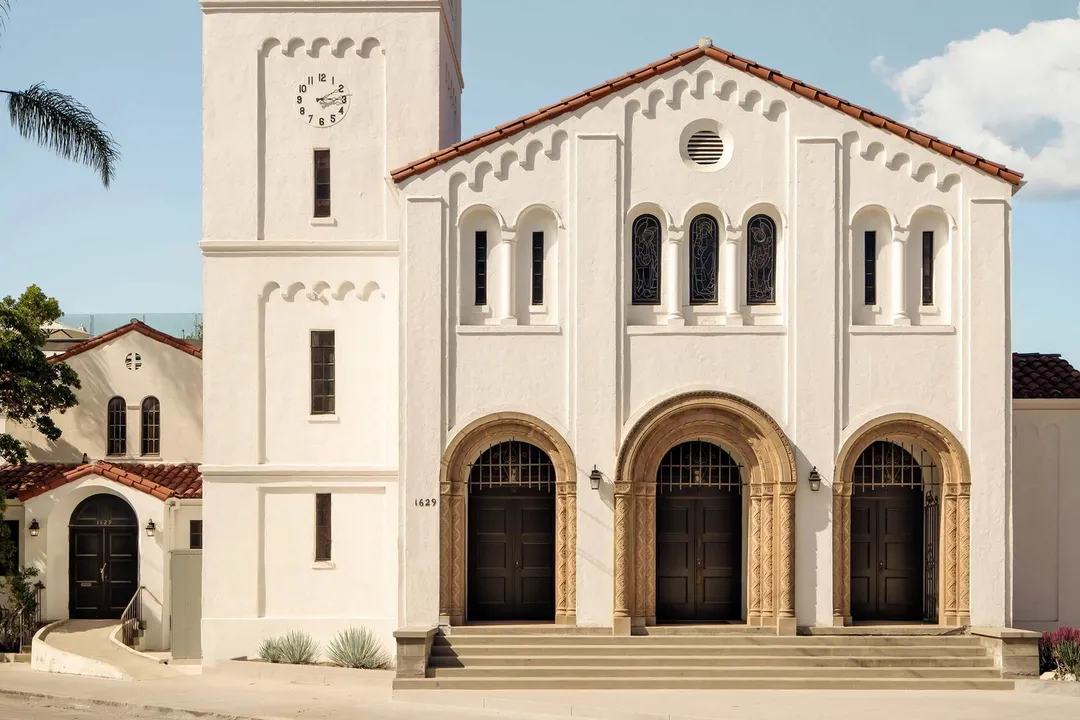
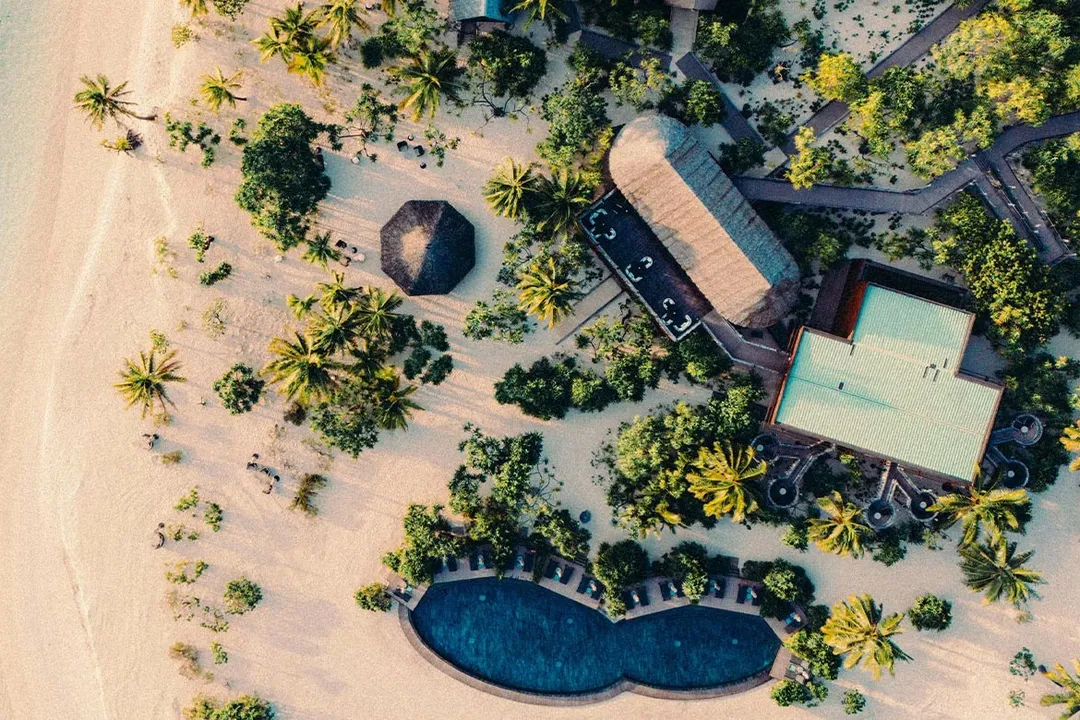
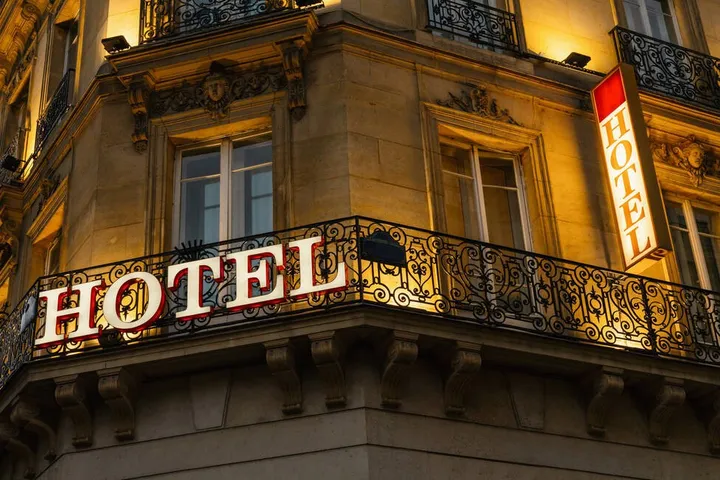
Architecture and design play an increasingly important role in this. Historic buildings are being converted into boutique hotels, industrial spaces are being turned into areas with character, and modern complexes are designed to extend the local landscape. The interior becomes part of the experience, rather than just a backdrop for rest.
Another trend is gastronomy as a separate reason to book. Hotel restaurants attract visitors who may not even stay overnight. Signature menus, local produce and collaborations with well-known chefs help these venues build their own reputation, independent of the room inventory.
Connection to place is also becoming important. Instead of a generic interior, hotels are using local materials, works by regional artists and the cultural traditions of the area. This gives guests the sense that they are not in an abstract international space, but in a specific city or country.
At the same time, guests expect more than aesthetics. Privacy, quality sleep, thoughtful service and the ability to switch off from everyday concerns remain basic requirements. Luxury increasingly lies not in the number of decorative details, but in how easily a person can organise their time and feel comfortable.
For the hotel business, this model means competing not only with other accommodation providers, but also with restaurants, cultural venues and wellness clubs. The winners will be those who create a cohesive experience in which architecture, cuisine, service and place work together.
The hotel of the future is not necessarily the most expensive room or the largest complex. Its value lies in an experience that cannot be fully recreated elsewhere. That is why a journey sometimes begins not with choosing a city, but with the desire to stay at a specific hotel.
Read also: Why Old Hotels Still Feel Special, Even When They Are Not the Most Expensive
Text: Arina Blyzniuk
Comments
No comments yet — be the first.
Discuss on Telegram