From Former Church to Designer Hotel: New Places Changing the Notion of Luxury
Hotel Lucile in Los Angeles, L’oscar in London and August in Antwerp: how former churches and monasteries are being turned into designer hotels while preserving architectural heritage.
Translated with AI. Original: Українська
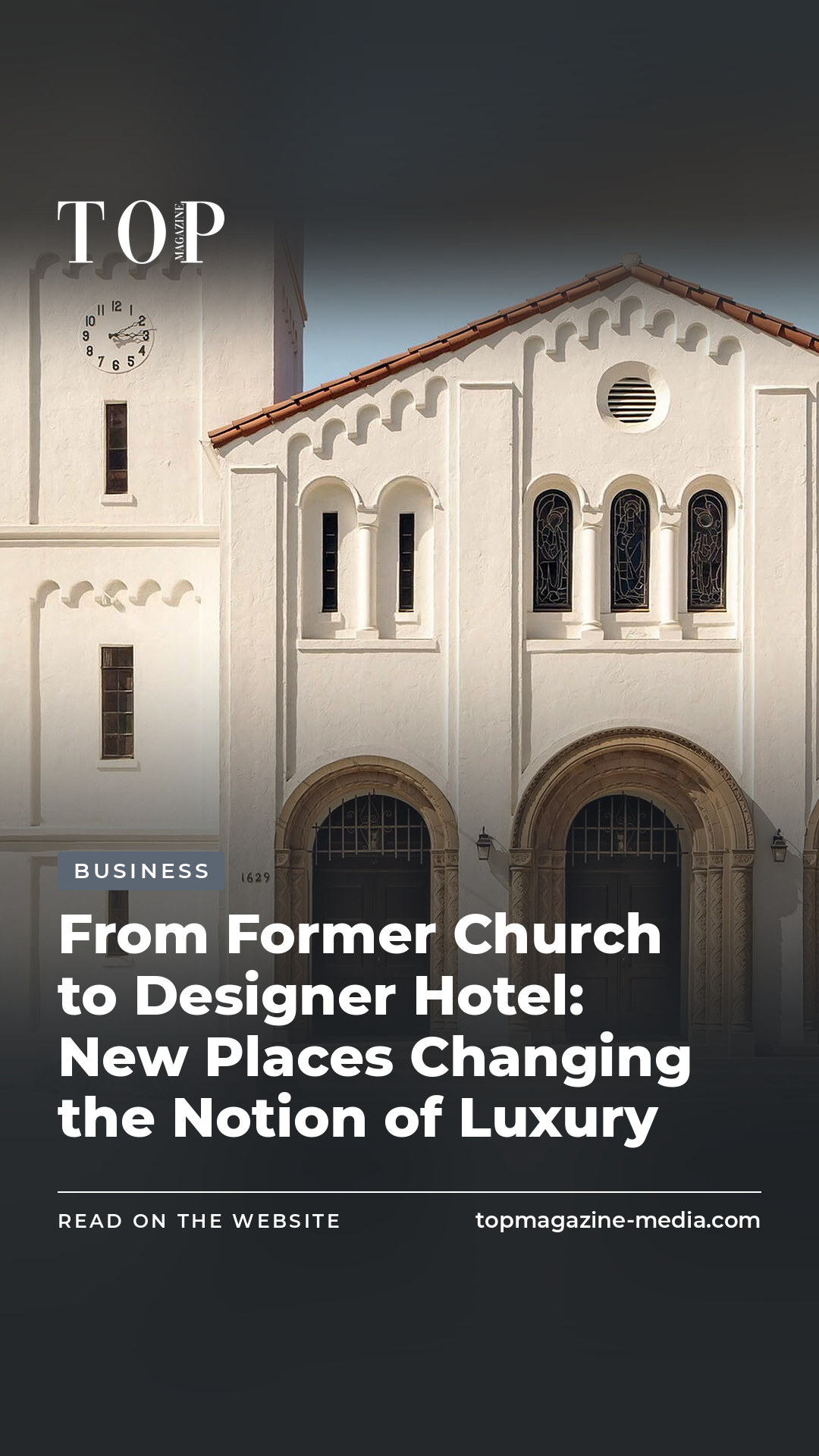
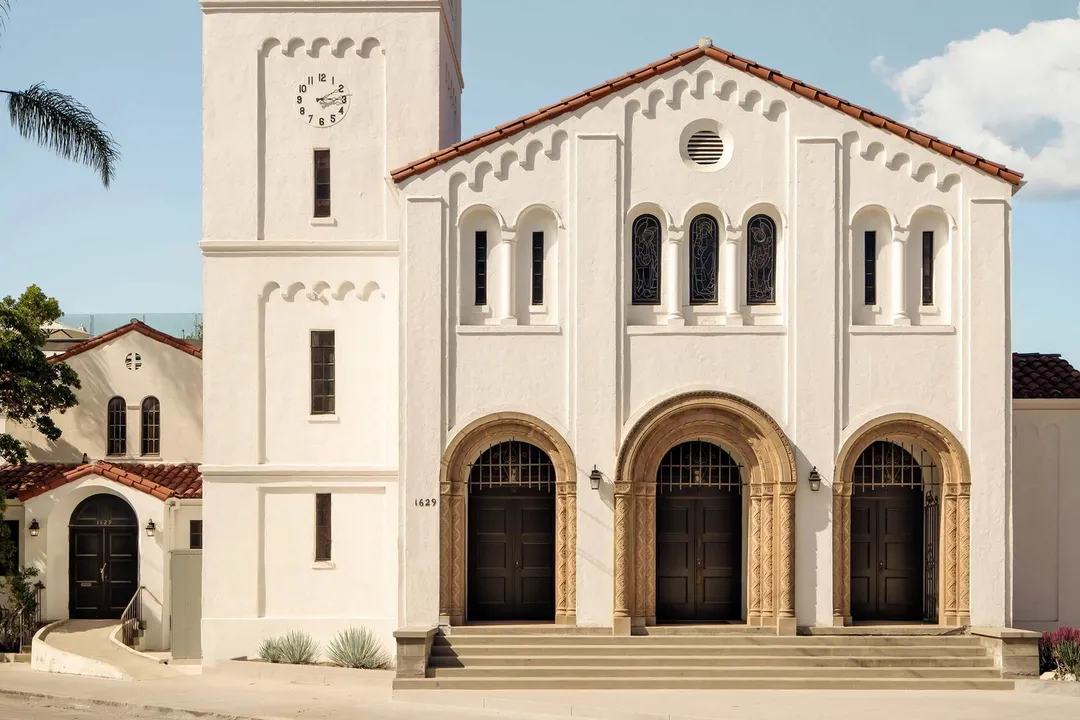
Luxury has acquired a new dimension: you don’t necessarily have to build something from scratch to create a place people will travel for. Sometimes it is enough to give new life to a building with its own history. In Los Angeles, Hotel Lucile opened in a former 1931 church, turning the former spiritual space into a designer hotel, restaurant and venue for art events.
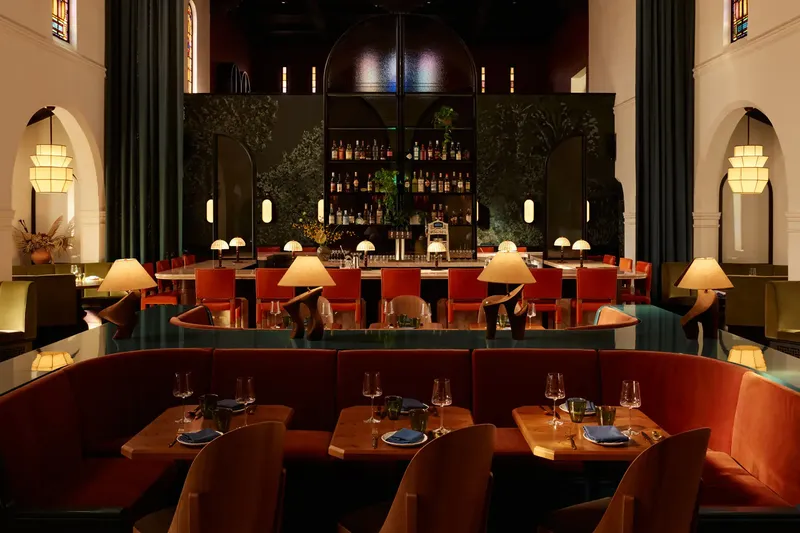
The building in the Silver Lake district was once Bethany Presbyterian Church. Over almost a century it served as a theater and an antiques market, and now it is a 25-room boutique hotel. During the renovation, the stained-glass windows, arches, wooden elements and the church’s recognizable architecture were preserved. The former nave was turned into the Sous Sous restaurant and bar, while the choir gallery received a new role as a space for coffee, reading and relaxation.
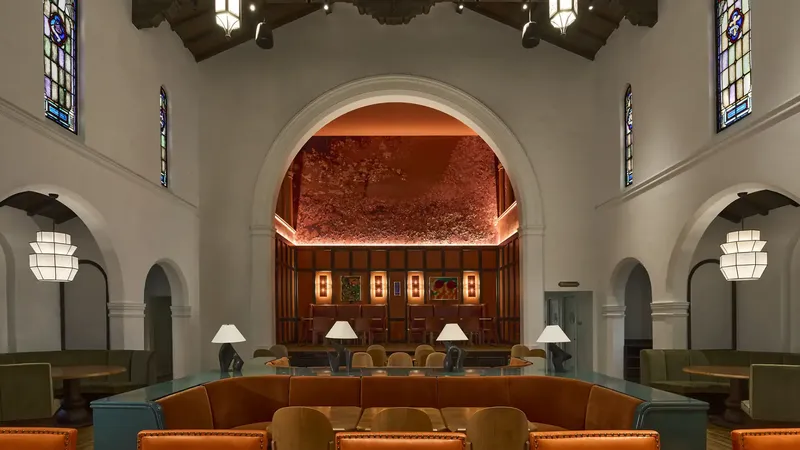
The interior does not try to erase the past in favor of flawlessly new design. On the contrary, historical details became the foundation of the concept: antique furniture, contemporary art, signature pieces and carefully selected materials create the atmosphere of a private European villa. The hotel also features a courtyard pool, a rooftop terrace and a rotating exhibition of works by contemporary artists, some of which can be purchased.
Hotel Lucile is not an isolated case. In London, L’oscar was set up in a 19th-century former Baptist church, preserving the chapel and combining historic architecture with distinctive interiors. In Antwerp, Belgium, August occupies a restored Augustinian monastery, where contemporary design coexists with the atmosphere of a former religious complex. And in Florence, Villa San Michele is located in a 15th-century former Franciscan monastery, where historical architectural elements have become part of the hotel experience.
Such projects attract not only through aesthetics. A historic building offers what is hard to recreate in a new object: character, scale, traces of time and a connection to the place. At the same time, restoration gives old structures a new purpose and returns them to urban life, although the success of such transformations also depends on how carefully developers work with heritage and the interests of the local community.
In this model, luxury is not only expensive materials or impeccable service. It is the opportunity to stay in a place that is unlike dozens of others, to have breakfast under old vaults or to spend an evening surrounded by art in a space that remembers a very different life. Instead of creating history from scratch, new designer hotels are learning to work with the history that already exists.
Read also: A $13,000-a-Week Retreat: Why Wealthy People Pay to Disappear from the Radar
Text: Arina Blyzniuk
Comments
No comments yet — be the first.
Discuss on Telegram