Silence Has Become the New Luxury: Why Luxury Hotels Are Turning Travel into a Ritual of Recovery
Wellness is becoming a central part of luxury travel as hotels integrate spas, saunas, nature, personalized programs and recovery practices. Why Laguna Beach in California shows a new vision of luxury getaways.
Translated with AI. Original: Українська
Not long ago, a luxury trip was easy to imagine as a panoramic suite, a Michelin-starred restaurant, a private transfer and a packed itinerary. Now another desire has joined that list: to disappear from one's own calendar for a few days. No endless notifications, no mandatory meetings, no need to see everything. In luxury travel, wellness is gradually moving beyond the spa area and becoming a principle around which hotels build the entire guest experience.
Industry players themselves are noticing this shift. In May 2026, the international hotel group Preferred Hotels & Resorts launched the Preferred Wellbeing program, which includes more than 50 hotels and resorts with comprehensive wellness offerings. It is not only about massages and cosmetic treatments, but also hydrotherapy, nutrition, time in nature, personalized programs and recovery practices. In the Luxury Travel Report cited by the company, more than a third of surveyed luxury travelers said they were interested in transformative wellness trips, and 77% agreed that true luxury today is the ability to avoid the pressure of constantly posting and showing things online. These figures reflect the results of a specific study, but they illustrate well the direction in which the market is moving.
The new wellness luxury sells not a single procedure, but a holistic state. A guest can start the day with yoga, spend several hours in nature, visit a sauna or thermal zone, choose a thoughtfully designed menu, and then stay in the evening with no plans at all. In this model, every element, from architecture to service, works toward one goal: creating an environment where one does not have to keep making decisions, rush anywhere or entertain oneself.
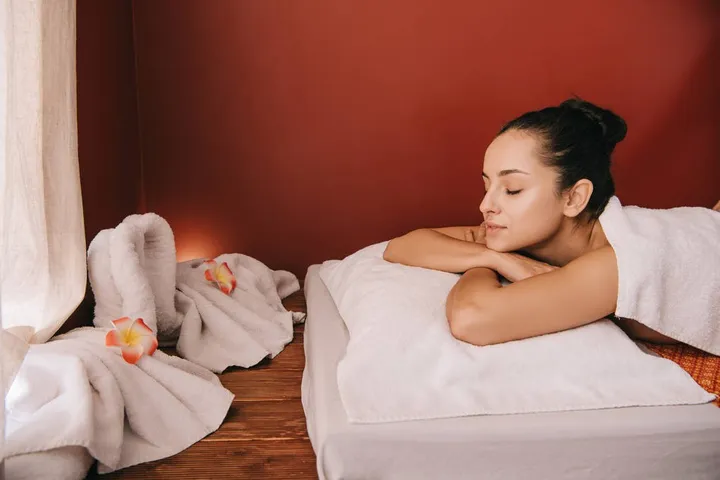
This also noticeably changes the very concept of the hotel spa. According to a Condé Nast Traveler review of new hotel spas in 2026, the industry is increasingly developing recovery spaces, technology-driven treatments and longevity programs. At the same time, wellness is moving directly into the room: hotels offer training equipment, tools for improving sleep and personalized solutions that allow guests to maintain their usual routine without visiting separate fitness centers. Vacation is becoming not a break between everyday affairs, but an environment designed around the guest's well-being.
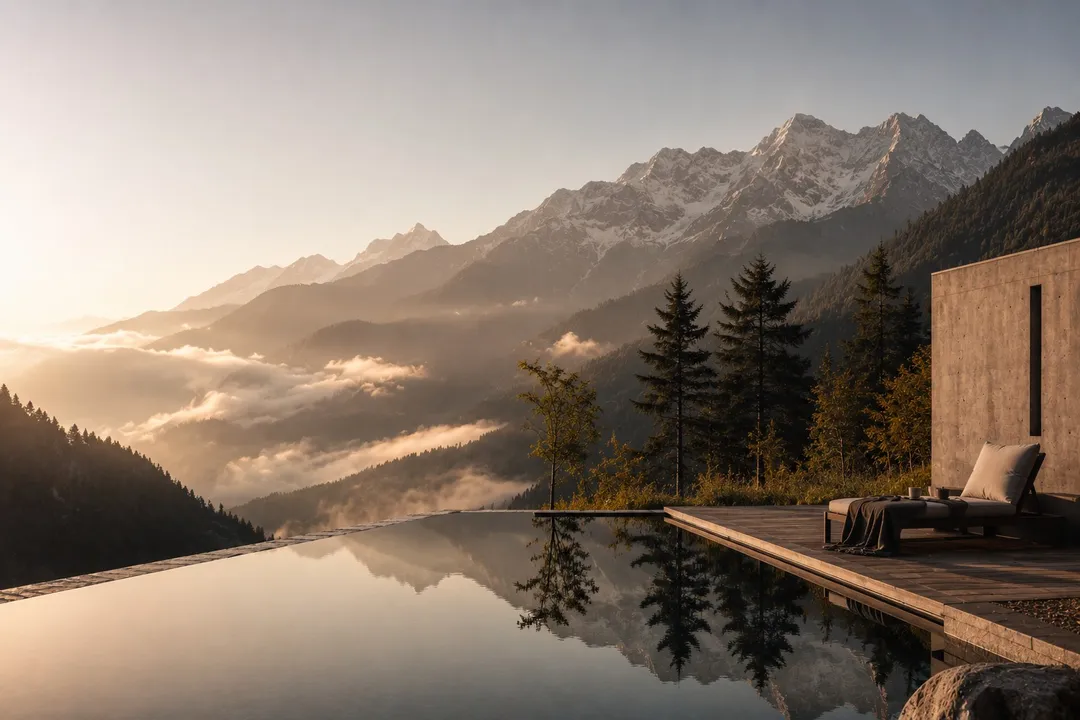
At the same time, quiet travel does not necessarily mean seclusion in the mountains or giving up urban comfort. New luxury can be an oceanfront resort with a well-designed spa, a private terrace, a slow breakfast and the option to leave a day unplanned. That is why hotels increasingly develop not only individual treatments but also space for extended stays: private wellness areas, thermal complexes, multi-day programs and experiences that require no constant moving around.
There is also a business logic behind this. When wellness becomes the reason to choose a particular hotel, it stops being an add-on service that a guest may use or ignore. It influences the choice of destination, the length of stay and the perception of the value of the entire trip. In the Preferred Hotels & Resorts report, this approach is linked to personalization, the natural environment, nutrition and thoughtfully designed wellness programs. For hotels, this means the ability to compete not only on room size or the number of restaurants, but also on the experience a person has throughout their stay.
However, there is an important difference between a genuine wellness concept and a set of attractive marketing words. The presence of a sauna, a yoga mat and a green smoothie does not in itself turn a hotel into a space for recovery. What matters is the quality of the program, the professionalism of specialists, the ability to personalize the experience, and whether the service truly allows the guest to slow down rather than adding yet another list of tasks to the vacation.
In the new model of luxury, the main sign of status is no longer the number of impressions a person can show, but freedom from the need to prove anything. The ability to spend a morning by the ocean, refuse a packed itinerary and return home feeling truly rested is gradually becoming a value in its own right. For the hotel business, this is not merely an aesthetic trend, but a new way of building a product around what affluent travelers increasingly seek on a trip: time, privacy and recovery.
Text: Arina Blyzniuk
Comments
No comments yet — be the first.
Discuss on Telegram