Homes That Promised the Future: How the 20th Century Imagined the Ideal House
The Home of the Future exhibition at LACMA explores how the 20th century imagined the ideal home, from self-cleaning kitchens and prefabricated houses to space-age dwellings and the smart home.
Translated with AI. Original: Українська
Self-cleaning kitchens, plastic houses that could be assembled in a day, and home appliances that work at the push of a button. In the 20th century, designers promised that technology would not just change interiors but free people from routine and give them more time for living. The exhibition Home of the Future: 1925–1985 — Designing Domestic Utopias at the Los Angeles County Museum of Art (LACMA) shows how these dreams shaped the vision of the ideal home.
The exhibition opened on September 27, 2026 and will run until March 14, 2027. The display includes architectural models, drawings, photographs, advertising materials, films and household objects that once embodied tomorrow. The focus is not only on inventions but also on who shaped the image of the future home, who it was sold to, and who was left out of this dream.
In the 1920s and 1930s, the future was associated above all with hygiene, efficiency and mechanization. The kitchen was meant to become almost a laboratory: compact, well organized and equipped with appliances that cut the time spent on housework. One representative exhibit is the 1926 Kohler electric sink, which was supposed to simplify washing dishes. Yet even the boldest designs did not always become mass-market products: some ran ahead of consumer habits or proved too expensive and impractical.
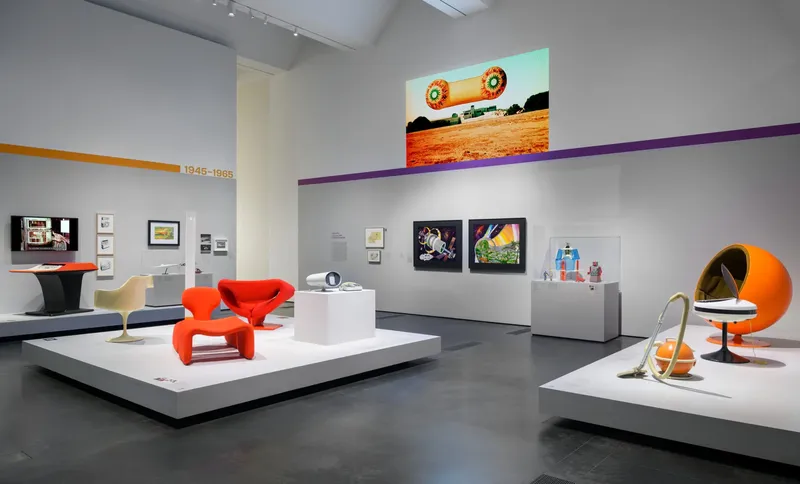
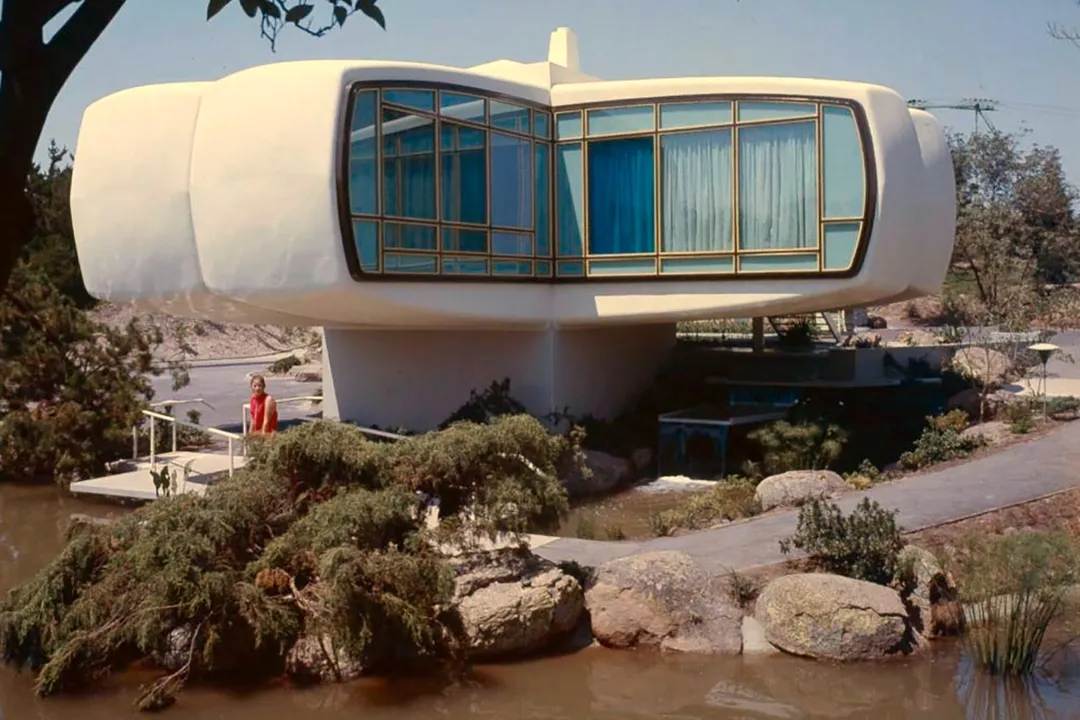
After the Second World War, the dream took on a different form. Plastic, prefabricated structures, new materials and household appliances promised to make modern housing more accessible. The home of the future was to be easy to produce, simple to maintain and filled with technology. Later, in the era of the space race and the Cold War, imagination went even further: architects and illustrators envisioned underwater homes, dwellings in space and bunker houses capable of protecting people from global catastrophe.
But a contradiction lay behind the promise of comfort. Technology was supposed to free people from domestic labor, yet responsibility for cooking and caring for the home largely continued to rest with women. Moreover, the advertised American prosperity was not available to everyone: racial discrimination, restrictions on credit and unequal access to homeownership excluded significant groups of the population from the image of the ideal future.
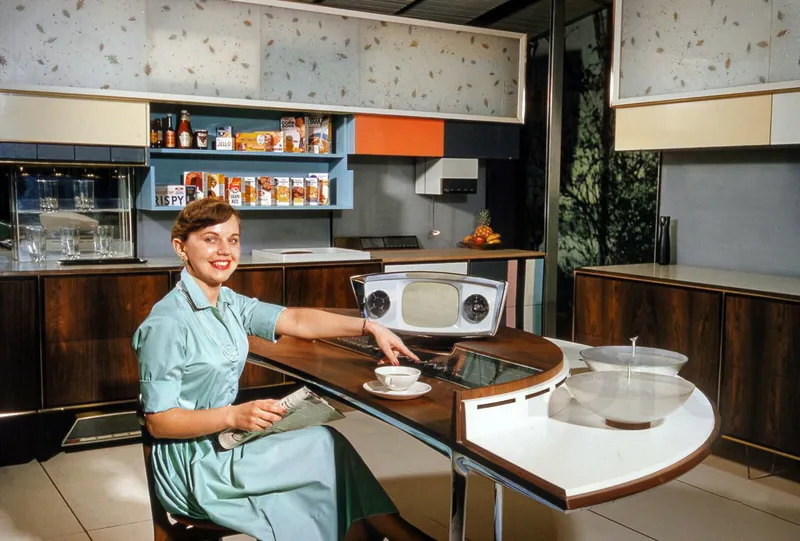
In the 1960s–1980s, unconditional faith in technological progress gave way to other ideas: ecology, self-sufficiency, criticism of excessive consumption and new ways of organizing shared living. Some early predictions came true: televisions became the center of home entertainment, and computers later became part of everyday life. Others, such as a fully self-cleaning kitchen, still remain more a dream than reality.
Home of the Future shows that the ideal home always reflects the values of its time. Once it was considered a dwelling where a machine takes on as much work as possible; today energy efficiency, flexible spaces, remote work and smart devices are added to this. Yet the central question has not changed: do new technologies really make our lives better, and for whom exactly are they creating this future?
Read also: From a Former Church to a Design Hotel: New Places Changing Our Idea of Luxury
Text: Arina Blyzniuk
Comments
No comments yet — be the first.
Discuss on Telegram