Palace Over a 16th-Century Castle: Plans for Rozdil's €15 Million Revival
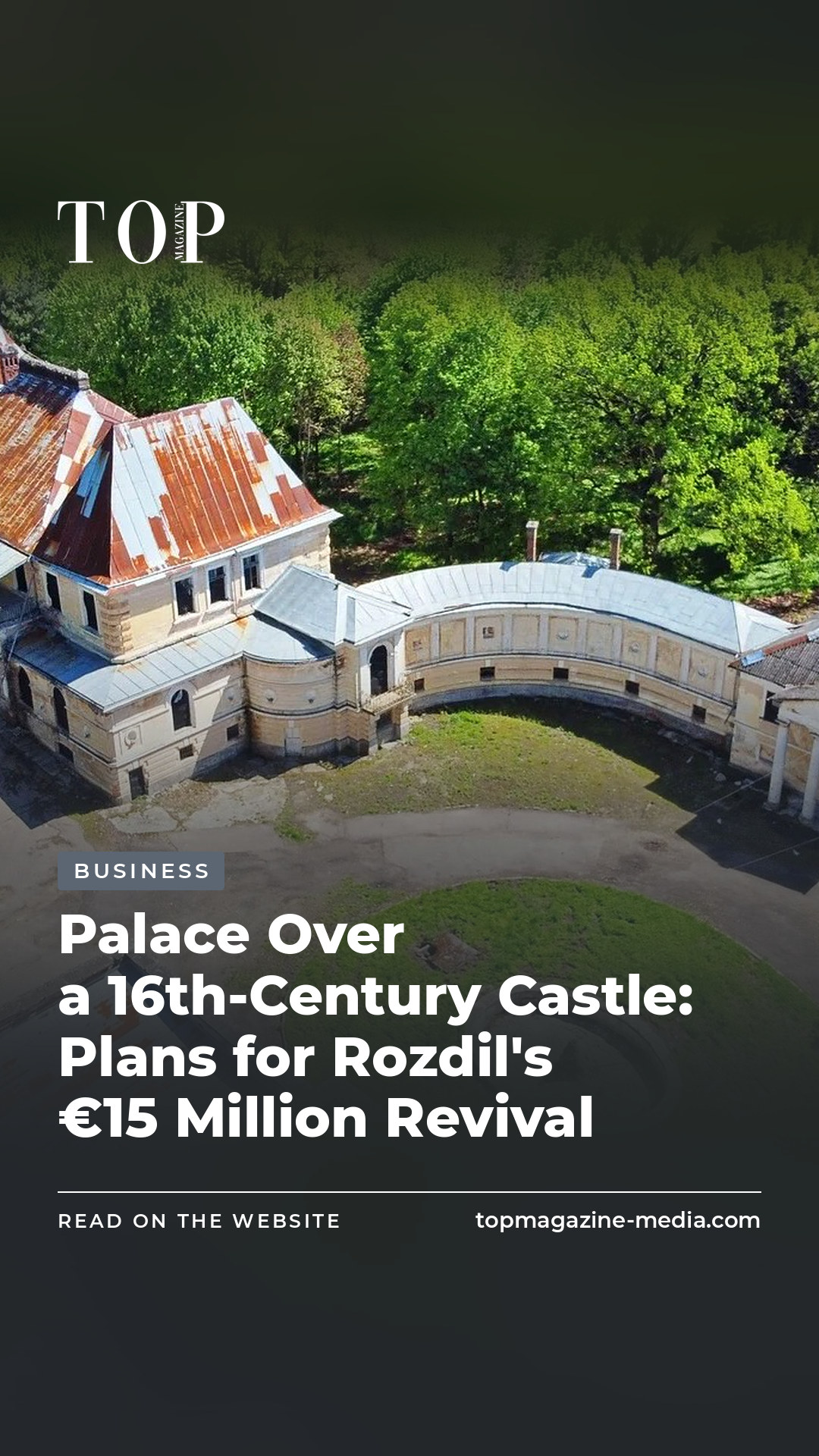
After years of decline, the Zhevuski-Lantskoronski Palace in Rozdil, near Lviv, is set to be transformed into a five-star hotel, a cultural and arts centre with a SPA, restaurants and event spaces.
Translated with AI. Original: Українська
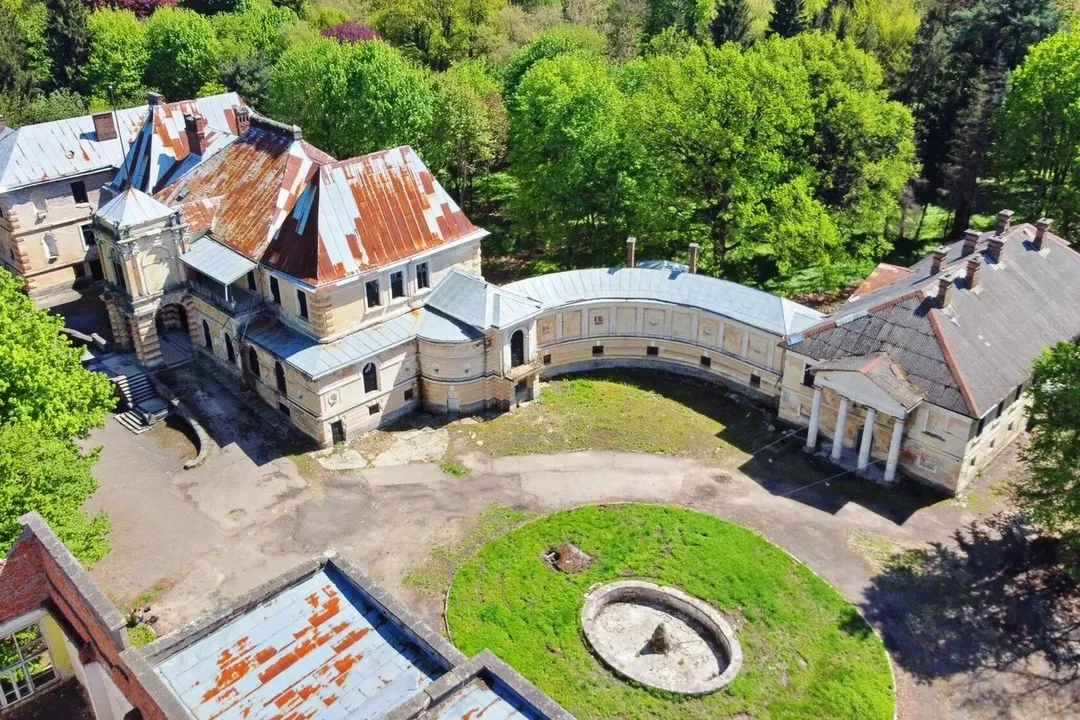
For over 20 years, the Zhevuski-Lantskoronski Palace in Rozdil stood without full use and gradually fell into ruin. Now plans call for turning it into more than a restored monument: a large tourism and cultural complex. Across 10 hectares, the project aims to combine a historic hotel, restaurants, a SPA, art and educational spaces, event infrastructure and a park. The total investment is estimated at roughly €15 million.
In 2023, EFI Group acquired the complex, after which architectural, archaeological and historical research began. During this time, the team studied archival documents, old photographs, the site itself and accounts from local residents. This research produced one of the most important discoveries: the current palace stands on the defensive walls of a 16th-century castle linked to the Chernyiovski family. In other words, Rozdil's history proved to be much older than previously thought.
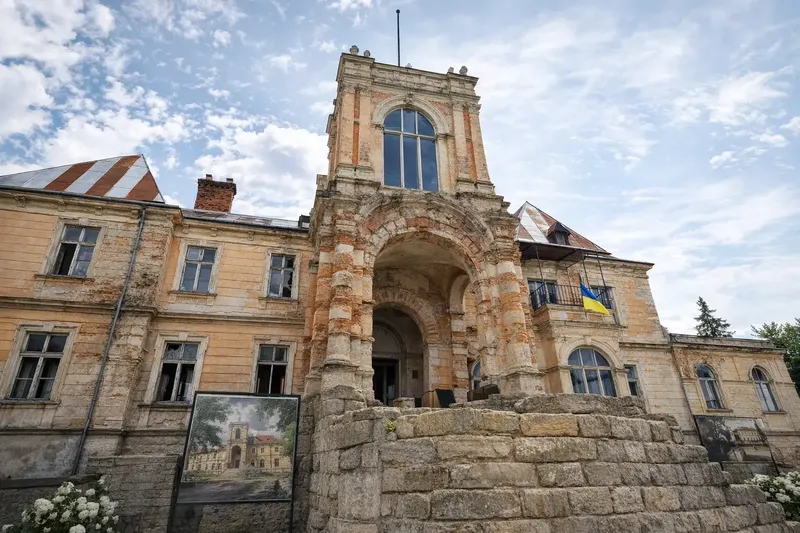
The current building took shape much later. In 1704, the Zhevuskis began constructing a new residence, and in the 19th century the Lantskoronskis expanded and rebuilt the estate. Under them, the palace became a centre of art: Karol Lantskoronski collected ancient sculptures and artworks from various countries. Part of the collection was taken abroad before the Second World War, and some of the surviving works eventually ended up in Ukrainian museums.
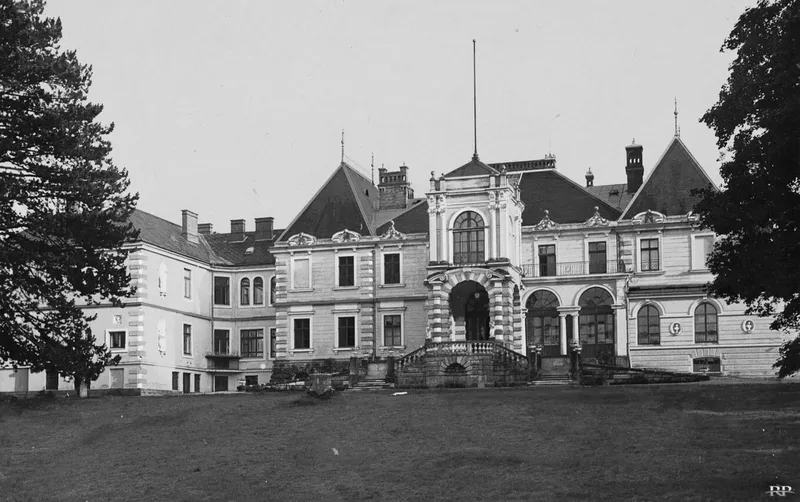
After the Second World War, the residence took on a completely different function: it housed the "Rozdil" sanatorium. The palace was adapted as a medical facility, with its historic interiors re-planned. The sanatorium ceased operations in 2004, after which the complex was effectively left without full use. The following years were a period of decline for the monument: structures deteriorated, decorative elements disappeared, and fungus damaged part of the historic murals.
Now the main building is to be adapted into a five-star historic hotel with 47 rooms. The palace will also include three restaurants and ballroom and presentation spaces. The idea is that the historic structure should not become a museum that survives only on grants, but should gain lasting economic life.
A separate part of the complex will be Rozdil Hall, a modern space for international, business and cultural events. It is to be integrated with the historic walls discovered beneath a Soviet-era club building from the 1960s. The old masonry is planned to remain visible in the interior and be illuminated. The new space is to host exhibitions, concerts, performances, conferences and other events, as well as an artist residency.
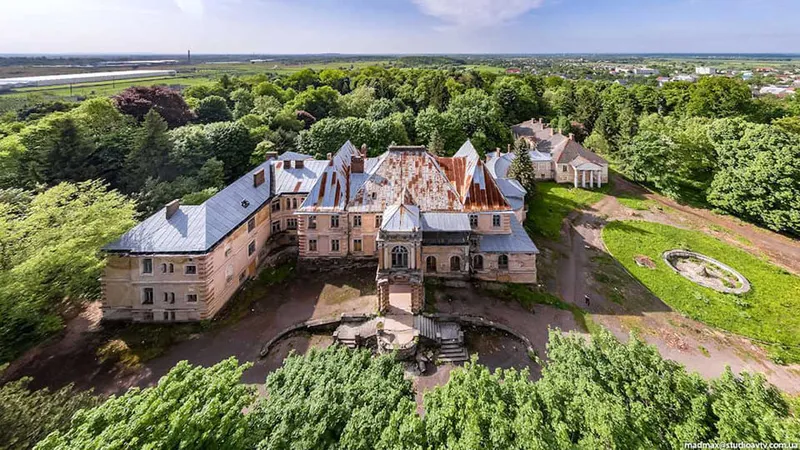
Another part of the concept is a SPA with a 25-metre pool, a gym and an underground connection to the palace. Outside the historic park, plans include a visitor centre, additional hotel infrastructure, a school or academy of arts, artist residences and parking. The complex is thus meant to work simultaneously as a tourist destination, an educational space and a venue for cultural events.
An important element remains the park, covering about 6 hectares and belonging to the community. Surveys found a significant number of old trees here, including rare species. The plan is not merely to tidy it up around the new hotel, but to include it in the overall concept of the palace and park complex.
In recent years, about €1.5 million has already been invested in the project, spent on research, design, emergency stabilisation works and preparation of documentation. The first stage of restoration is estimated at more than €2 million, and the main works are planned for completion by 2032. According to the current plan, the first hotel guests could arrive as early as 2030.
For Rozdil, this means changing the very logic of the monument's existence. Instead of a preserved ruin, the aim is to create a place where people can live, relax, study, work with art and host large-scale events. And the discovery of older walls beneath the later palace adds another layer to the project: what must be restored is not a single historic building, but effectively several layered eras that have survived on one site.
Read also: Why old hotels still seem special, even when they are not the most expensive
Text: Arina Blyzniuk
Comments
No comments yet — be the first.
Discuss on Telegram