
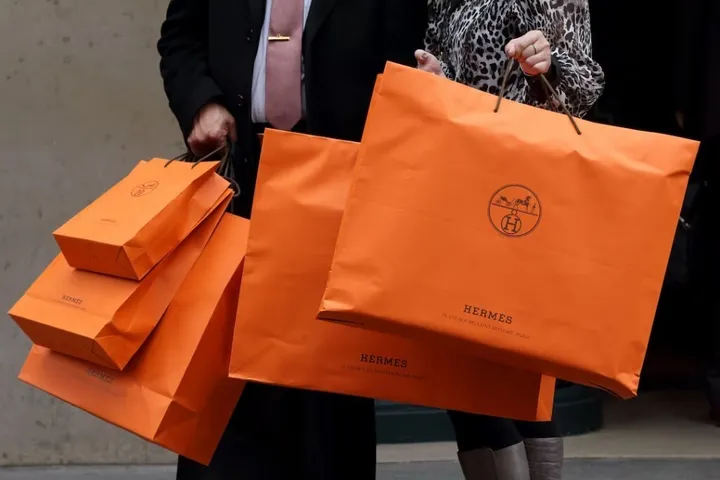
Luxury on Sale: Why LVMH, Hermès and Kering Shares Lost a Third of Their Value
Shares of LVMH, Hermès and Kering have lost more than a third of their value in 2026. Is the fall in the luxury sector a cyclical downturn or the beginning of a structural crisis for the luxury industry?
Translated with AI. Original: Українська
Luxury, which for decades seemed one of the most reliable businesses in Europe, has suddenly become cheaper for investors. In 2026, the luxury sector lost about 20%, and shares of LVMH, Hermès and Kering fell by more than a third. For an industry that for years raised prices and increased profits at the same time, this is no longer just a bad season.
Notably, the market is no longer willing to pay the same multiples for luxury. The sector now trades at roughly 21 times expected annual earnings, while its historical average exceeded 23. At first glance, this makes the shares more attractive. But the lower valuation did not appear out of nowhere: investors doubt that the previous rates of growth can be restored.
The main problem starts with the consumer. The Chinese market, which was one of the key engines of the luxury boom, remains weak, while American buyers are also cutting spending. In September 2026, US credit card spending on luxury fell 6% year on year, after declines of 4% in July and August. Even wealthy audiences are not equally willing to spend on major purchases.
For LVMH, the scale of the problem is especially symbolic. Three years ago, the company became the first European corporation with a market capitalization above $500 billion. Now its market value is less than half of that peak, and in 2026 more than $167 billion was wiped off its value. Investors are, in effect, reassessing the model that made Bernard Arnault one of the most successful executives in global business.
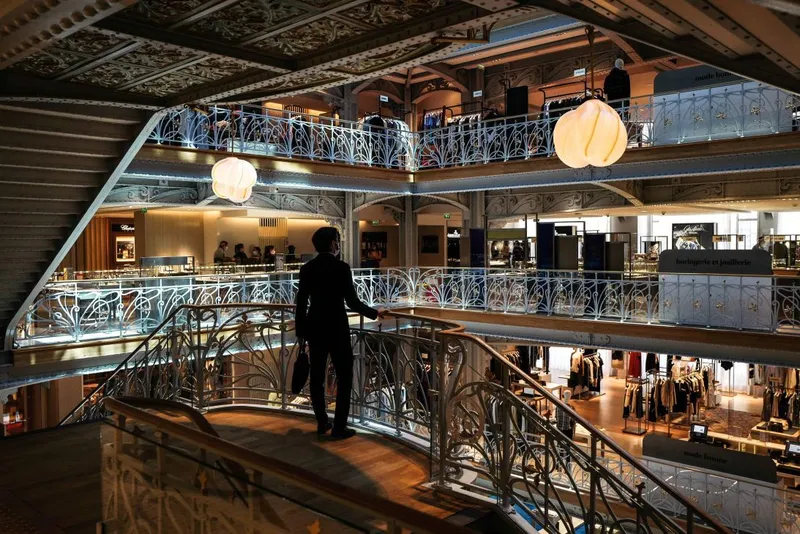
For many years, this model was remarkably simple: a strong brand, limited supply, constant price increases and a buyer ready to pay for access to status. But now this formula is working less well. Some customers are moving away from expensive fashion purchases toward beauty, jewelry, travel and experiences. This is why Richemont, with its strong jewelry component, looks more stable, while Kering continues to struggle with the recovery of Gucci.
Another problem is the average luxury buyer. The industry increasingly depends on the wealthiest audience, while the former, broader layer of customers is pulling back because of prices. This forces brands to compete no longer for the number of buyers, but for the share of wallet of those who are still willing to spend large sums. This is why fashion houses are investing millions in shows, stores, service and new experience formats, trying to justify high prices.
Does this mean a structural crisis? The market does not yet have a definitive answer. Barron’s analysts consider the current downturn mainly cyclical and allow for a recovery once consumer sentiment improves. But the very fact that luxury can no longer automatically pass on rising costs through higher prices and wait for demand to grow already signals a change in the rules.
So the real story of 2026 is not that LVMH, Hermès or Kering have become cheaper on the stock exchange. For the first time in a long while, luxury has to prove its value anew. Previously, status, the logo and constant price increases almost created the desire to buy by themselves, but now brands will have to persuade customers far harder – with product, design, rarity, experience and genuine emotional value.
Also read: Tokyo Has Become the World's Capital of Vintage Chanel and Hermès
Text: Arina Blyzniuk
Comments
No comments yet — be the first.
Discuss on TelegramRead also
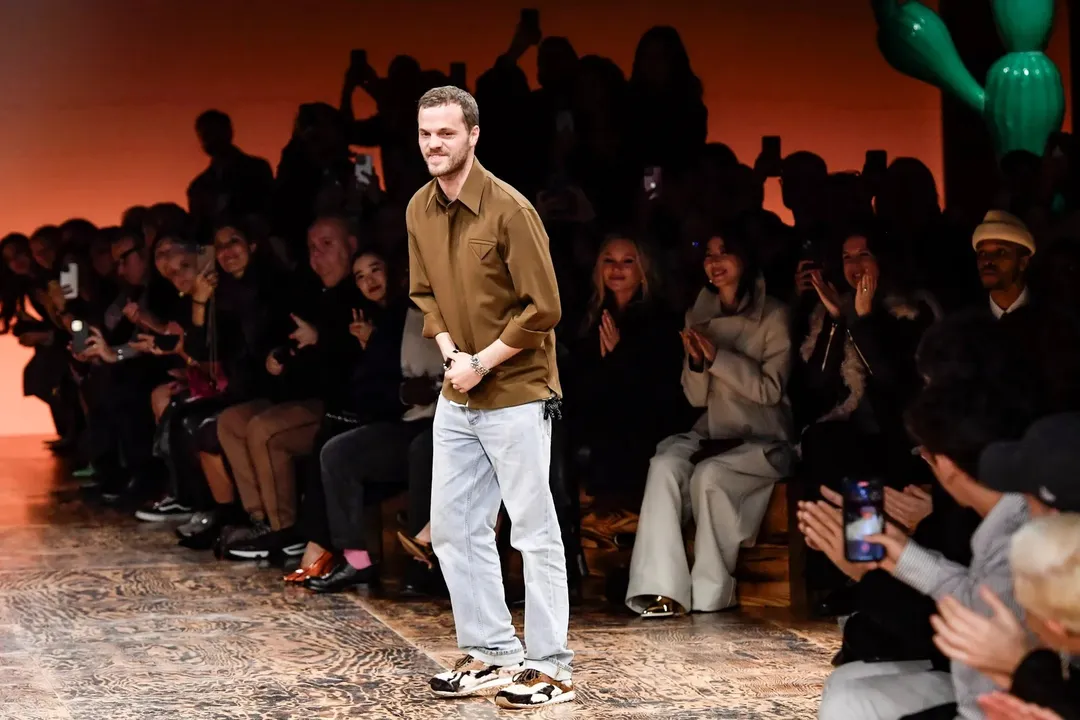 Chanel Is Back in the Game: How Matthieu Blazy Turns the Fashion House's Heritage into a Billion-Dollar Business
 Who Decides What Will Be Fashionable Tomorrow: New Centers of Influence in the Fashion Industry
 Fashion rental becomes a profitable business: British platform HURR breaks even for the first time