Nepal: Why Everyone Is Heading to the Land of the Himalayas — From Everest to a Spiritual Reset
Everest, the Himalayas, Buddhist temples and trekking are just some of the reasons Nepal attracts more than a million foreign visitors every year. What really makes people come back?
Translated with AI. Original: Українська
Some countries are visited for comfort. Nepal is almost the complete opposite. People go there precisely to spend a few weeks giving up their usual life. Someone who only yesterday was ordering coffee for delivery may find themselves a few thousand meters above sea level with a backpack on their shoulders, without decent internet, hot showers or the familiar urban rhythm. And, strangely enough, this is exactly what becomes the main reason to return.
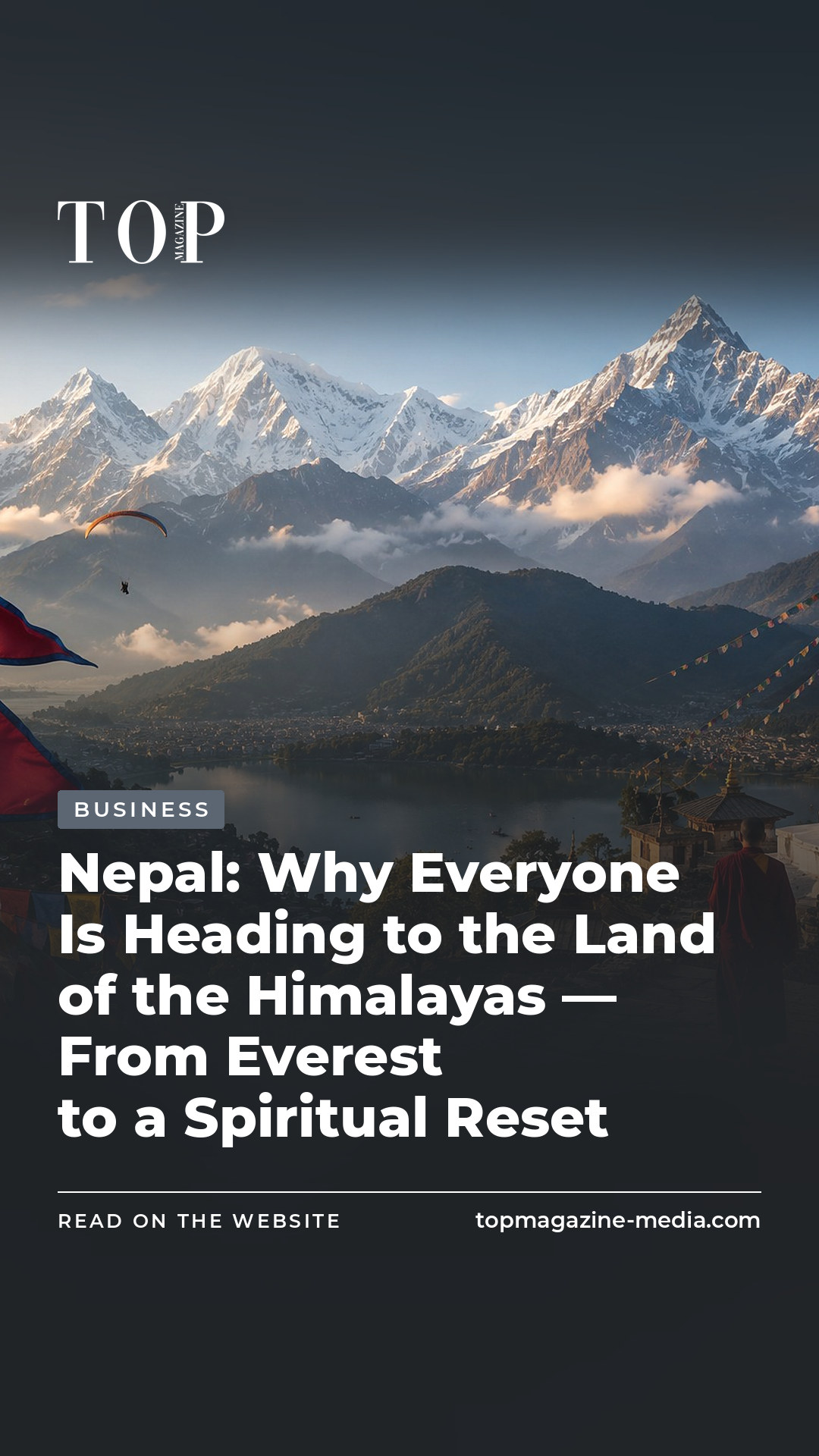
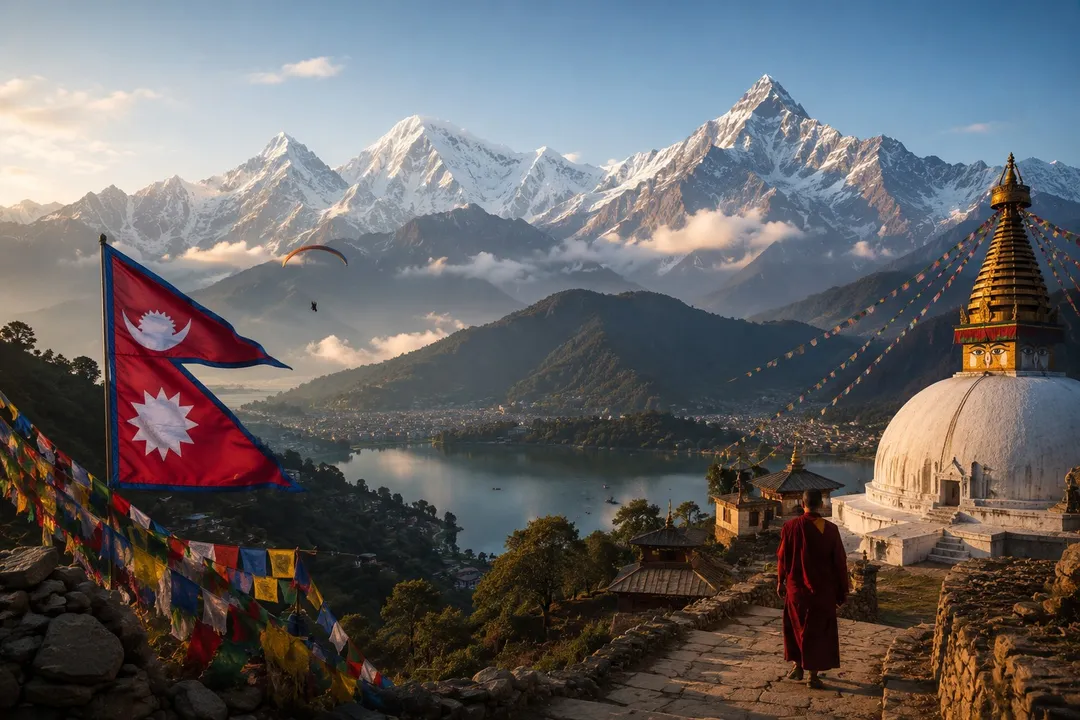
Nepal has something that no luxury resort can replicate: the Himalayas quite literally shape the country's life. Eight of the planet's fourteen highest peaks are located here, including Everest. But most people do not come to conquer the world's highest mountain. They want to wake up, at least once, where outside the window there is not a city but a gigantic mountain wall; walk for several days along the route to Everest Base Camp; watch the sunrise over Annapurna or simply find out what their own body is capable of.
That is why trekking has become one of Nepal's main products. In 2025, the country welcomed more than a million foreign tourists, and the routes to Annapurna, Everest and Manaslu continued to set records for the number of trekkers. Moreover, tourists stay in the country for more than two weeks on average. This is no longer the format of "see the sights and fly home." People literally fall into the country's rhythm: they wake up early, walk for hours, spend the nights in small mountain villages and gradually climb to where the air becomes noticeably thinner.
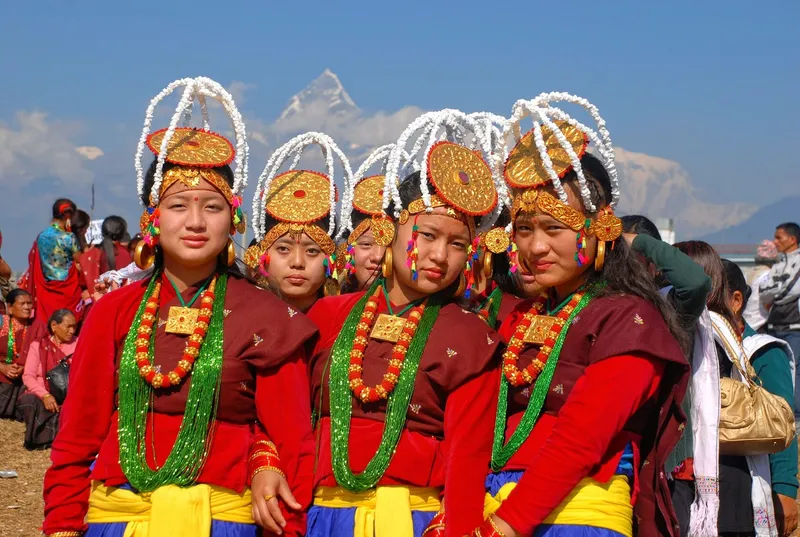
But if Nepal attracted people only with its mountains, its popularity would be far smaller. It has another kind of magic — the feeling that you have stepped into a different time. Kathmandu lives alongside Buddhist stupas, Hindu temples, old palaces and narrow streets, where religious rituals take place right in the middle of ordinary city life. Beyond the capital begins a completely different country: jungles, small settlements, monasteries and mountain valleys. Here you can travel in a single day from a chaotic metropolis to a place where there are almost no people around.
And this is where Nepal's main phenomenon emerges. People go there not for a photograph, but for a feeling. In ordinary life we are constantly rushing somewhere, checking our phones, answering messages and at the same time keeping dozens of tasks in our heads. In the mountains all of this suddenly becomes unimportant. You think about where you will find water, whether you will reach the next village before dark and whether you will have enough strength for tomorrow's climb. The world narrows down to a few simple things — and for many people, this is today's true luxury.
That is why Nepal has become especially attractive at a time when travel increasingly turns into a demonstration of status. Here you do not need to prove that you live beautifully. On the contrary — the further you move from comfort, the more valuable the experience itself becomes. That is why people come back here a second and third time, and even build an entire life around Nepal.
Once, Borys Lisanevych saw in closed-off Nepal a country worth showing to the world. Today there is no longer any need to persuade people to go there. Nepal has become a brand in its own right — and its main product cannot be packed into a suitcase. It is the feeling that you have left the familiar world far below, and a completely different life is beginning in front of you.
Also read: Borys Lisanevych: the Odesa Native Who Introduced Nepal to the World
Text: Arina Blyzniuk
Comments
No comments yet — be the first.
Discuss on Telegram