Restaurants With No Menu: Why Guests Trust the Chef to Choose Dinner
How restaurants without a traditional menu work, why tasting dinners have become part of fine dining, and what guests get when they entrust the choice of dishes to the chef.
Translated with AI. Original: Українська
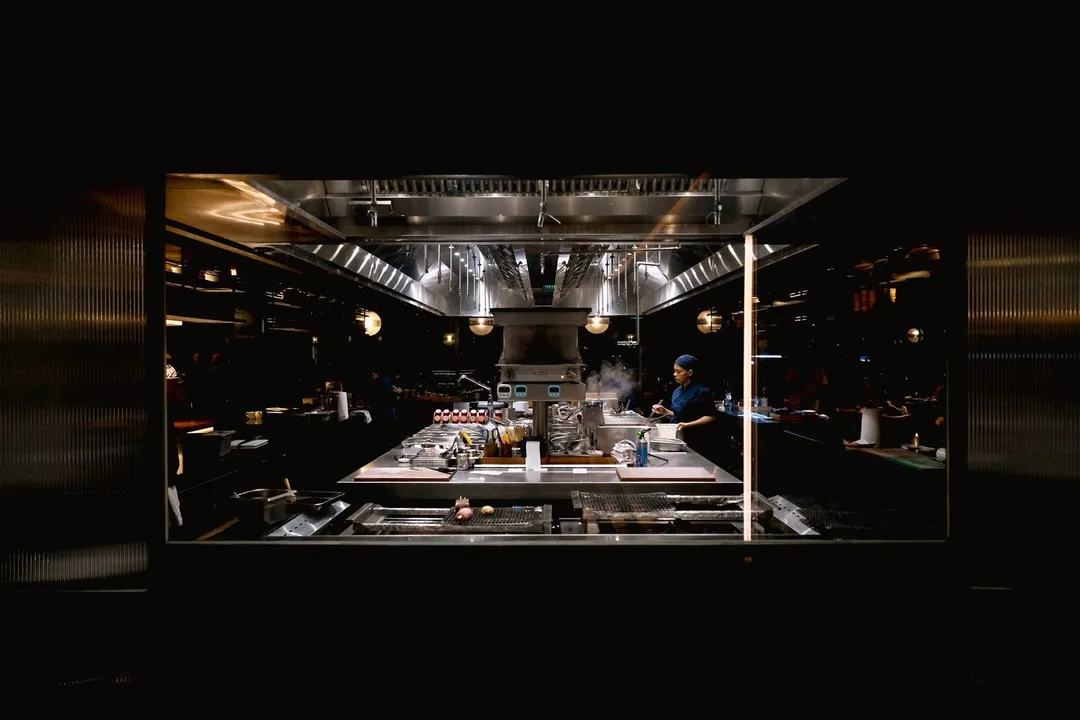
Imagine a restaurant where the waiter does not ask what you will order, but only asks about allergies and foods you do not eat. After that, everything is decided by the chef. The format of a tasting menu without a choice of dishes turns dinner into a sequence of gastronomic discoveries, in which the guest does not know in advance what will appear on the plate.
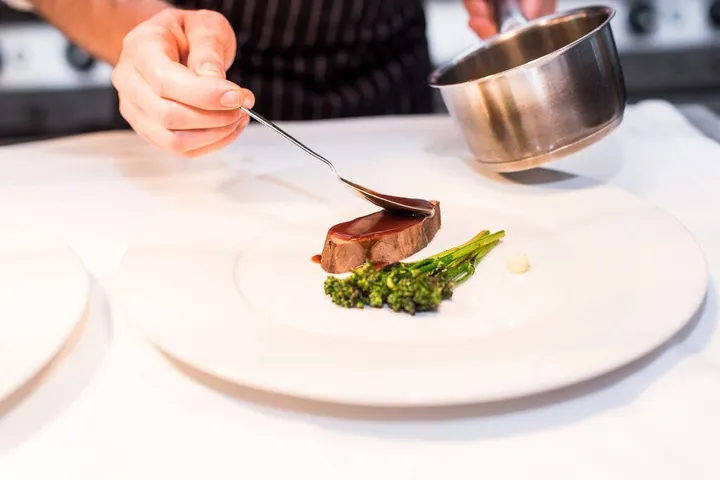
This approach is known as chef’s tasting menu. In fine dining restaurants, the chef creates a cohesive scenario of several dishes that complement each other in flavor, texture, temperature and method of preparation. It is not simply a selection of the best items from the menu, but a carefully planned composition of the dinner.
Giving up choice changes the guest's behavior itself. Instead of comparing prices, studying the composition of each dish and trying to order the most familiar one, a person focuses on what is happening at the table. An unexpected ingredient or an unusual combination can change the idea of a product that previously seemed uninteresting.
For the kitchen, this format also has practical advantages. The chef can plan purchases more precisely, control the quality of products and work with seasonal ingredients. The menu changes depending on the availability of products and sometimes on a specific delivery. At the same time, this model requires careful preparation and well-coordinated work from the entire team.
A tasting dinner often costs more than an ordinary visit to a restaurant. The price includes not only ingredients, but also the work on the concept, the number of staff, the complexity of presentation and the time the team devotes to each guest. Here the price reflects not only the food, but also the author's scenario for the evening.
However, trust in the chef has limits. A good restaurant clarifies in advance allergies, dietary restrictions and foods the guest does not eat. A surprise should not mean a lack of information about the safety of the dishes or ignoring the visitor's needs.
This format is especially interesting to those who see a restaurant not as a way to have a quick dinner, but as a cultural experience. The guest hands the chef control over the choice in order to get the opportunity to try something beyond their own habits. Sometimes the best dinner begins precisely when there is nothing to order.
Read also: Dinner Without a Menu: Why Tasting Sets Have Become the New Language of Fine Dining
Text: Arina Blyzniuk
Comments
No comments yet — be the first.
Discuss on Telegram