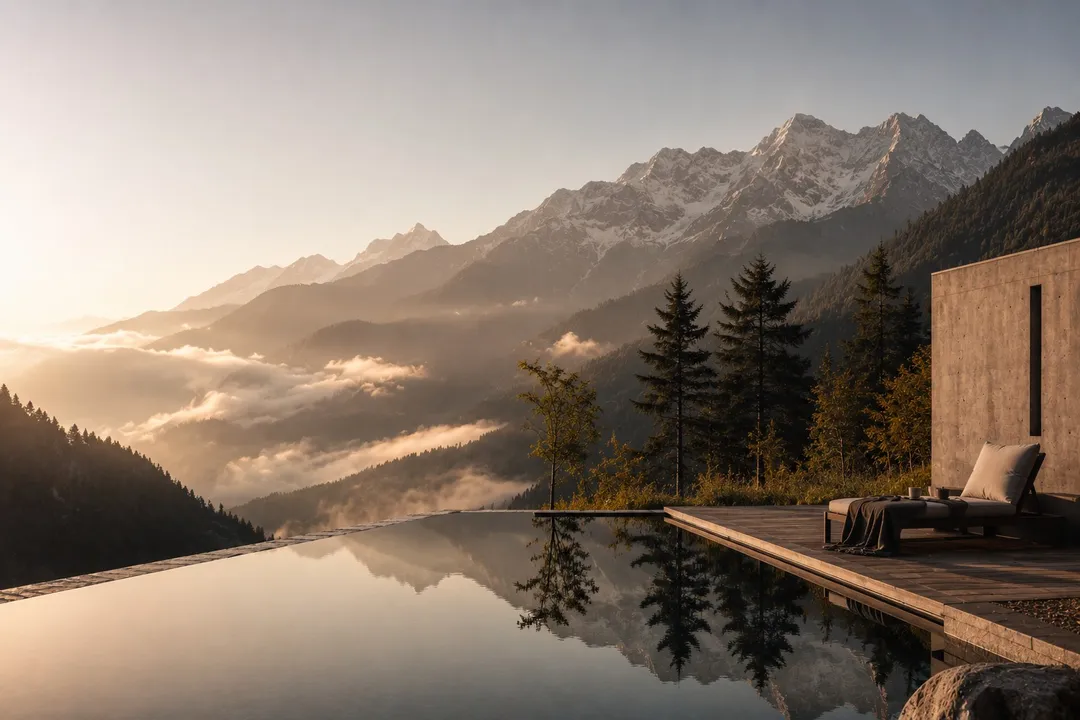
The World Has Started Hunting for Silence
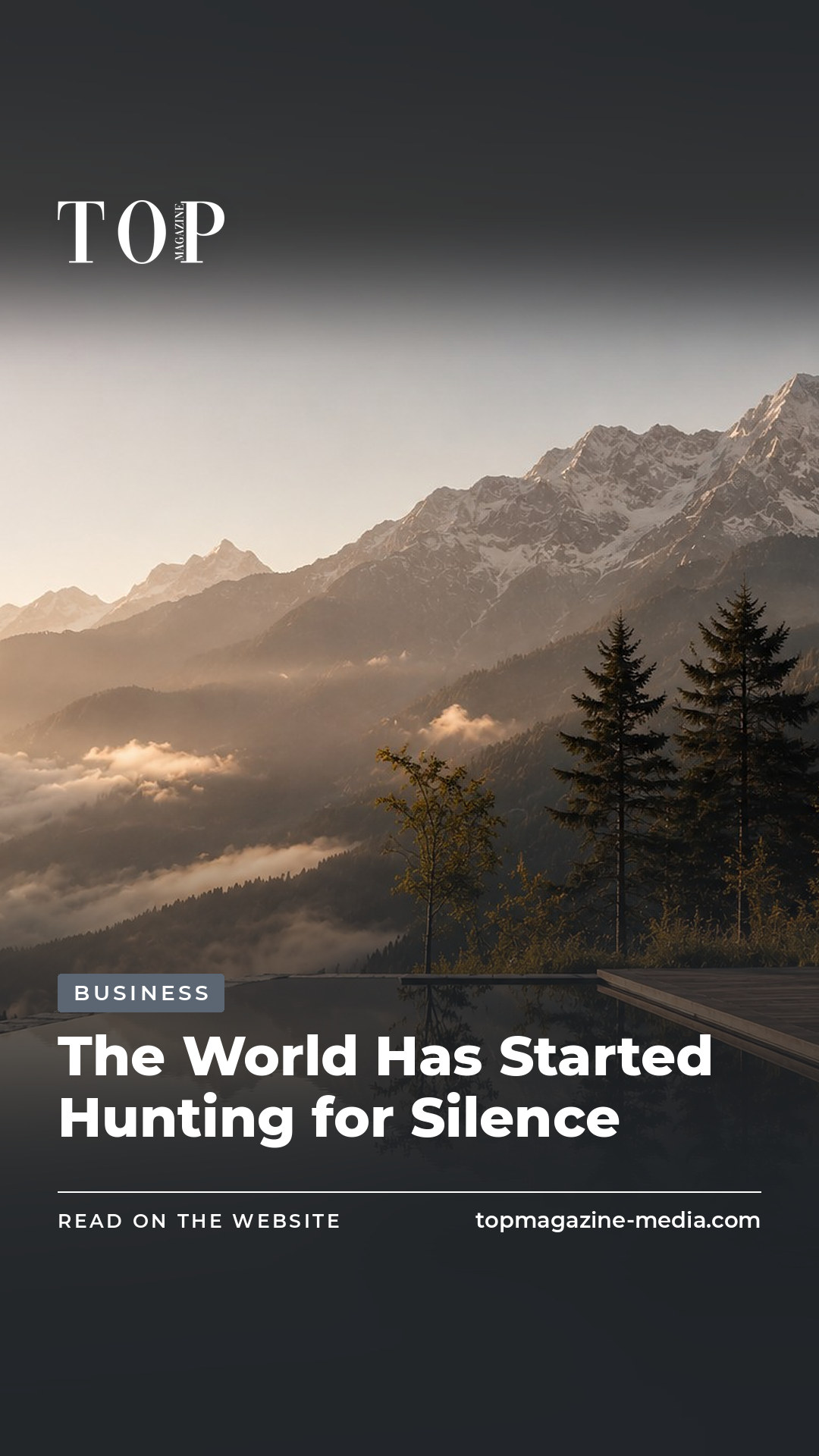
Silence has become a new scarce resource. Hotels are removing televisions, retreats are taking away phones, and travelers are willing to go far for a few days without notifications, crowds, and constant noise.
Translated with AI. Original: Українська
Not long ago, luxury travel meant everything you could show off: a big suite, a private pool, a yacht, champagne, and a view that looks good on Instagram. In 2026, the status symbol is the opposite — the ability to be left alone.
The hospitality industry already calls this hushpitality — a new model of hospitality where the main advantage is silence, privacy, nature, and the absence of unnecessary stimuli. According to Hilton, the main reason for leisure travel in 2026 for 56% of respondents was the desire to rest and recharge, and 57% of American travelers are interested in quiet or completely silent retreat programs.
Most interestingly, some hotels are literally removing technology from their luxury product. Lou Calen in France has no televisions in its rooms. At Hoshinoya Kyoto, guests are invited to leave their smartphones and computers in storage until the end of their stay. And some resorts in Mexico let guests fully hand over their phones at check-in, replacing them with walks, board games, painting, and other offline activities.
The paradox is that people now pay for what they once tried to escape for free. No Wi-Fi. No notifications. No work calls. No need to respond to anyone simply because a phone is lying nearby.
Silence is becoming especially valuable precisely because almost none of it is left in everyday life. Messages, videos, advertising, transport, music, calls, and constant information updates create an environment in which the absence of sound and information itself becomes an experience. Vogue called true silence a new form of luxury travel as early as last year, and in 2026 this trend has moved from niche retreat programs into the broader travel industry.
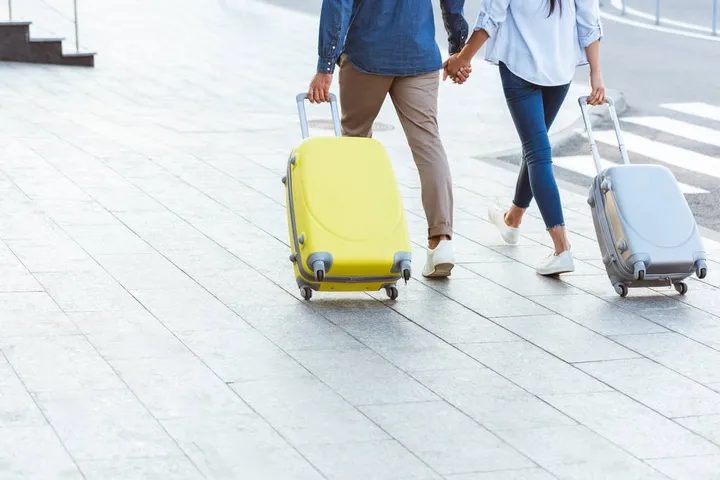
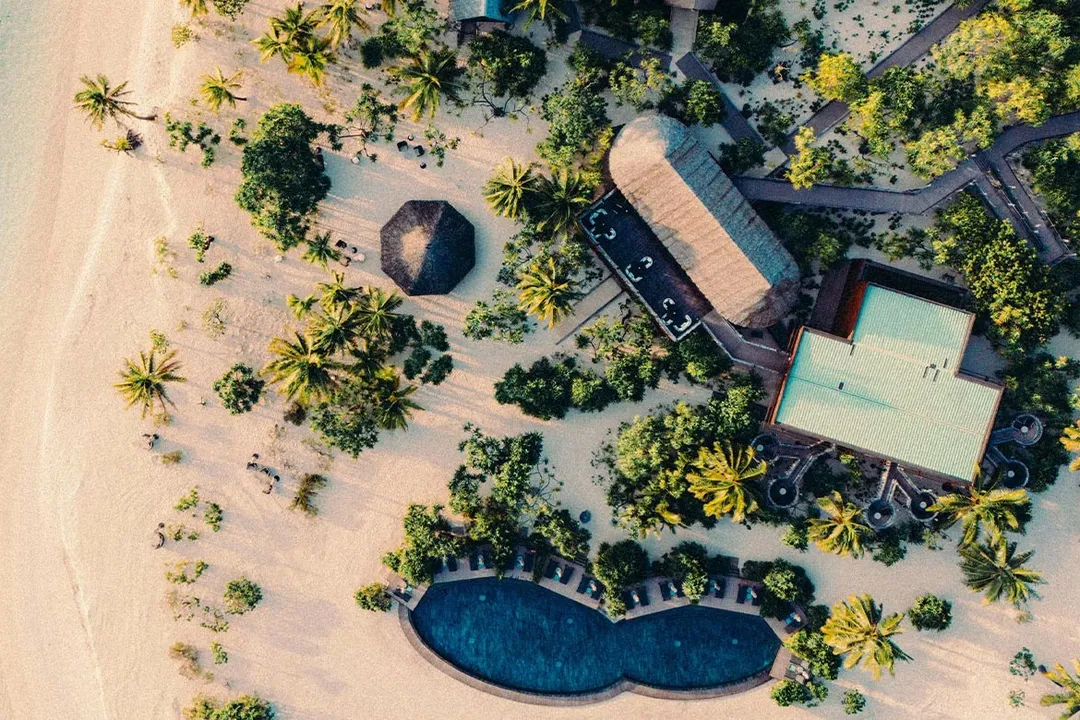
The format of travel itself is changing too. People increasingly take several days without a plan, choosing remote houses, small hotels in nature, islands, mountains, and places with weak or no connectivity. A trip no longer has to be packed. Sometimes its main value lies in the fact that nothing happens.
This is especially noticeable in the growth of solo travel. According to Hilton, more than a quarter of travelers plan to travel on their own in 2026, and nearly half add a few days alone to family or group trips. Silence is becoming not a sign of loneliness, but a way to reclaim one's own rhythm.
And this is where silence turns into the new currency of luxury. It cannot be ordered through an app, accelerated, or scaled. A good room can be built. A private jet can be bought. But guaranteeing a person a few days when no one can find them is becoming increasingly difficult.
Perhaps that is why the most desirable status symbol of the future will not be what we can afford, but what we can give up.
Read also: TikTok instead of the podium: how social media started deciding what we will wear tomorrow
Text: Arina Blyzniuk
Comments
No comments yet — be the first.
Discuss on Telegram