Smart glasses want to replace the smartphone — but they've run into a privacy problem
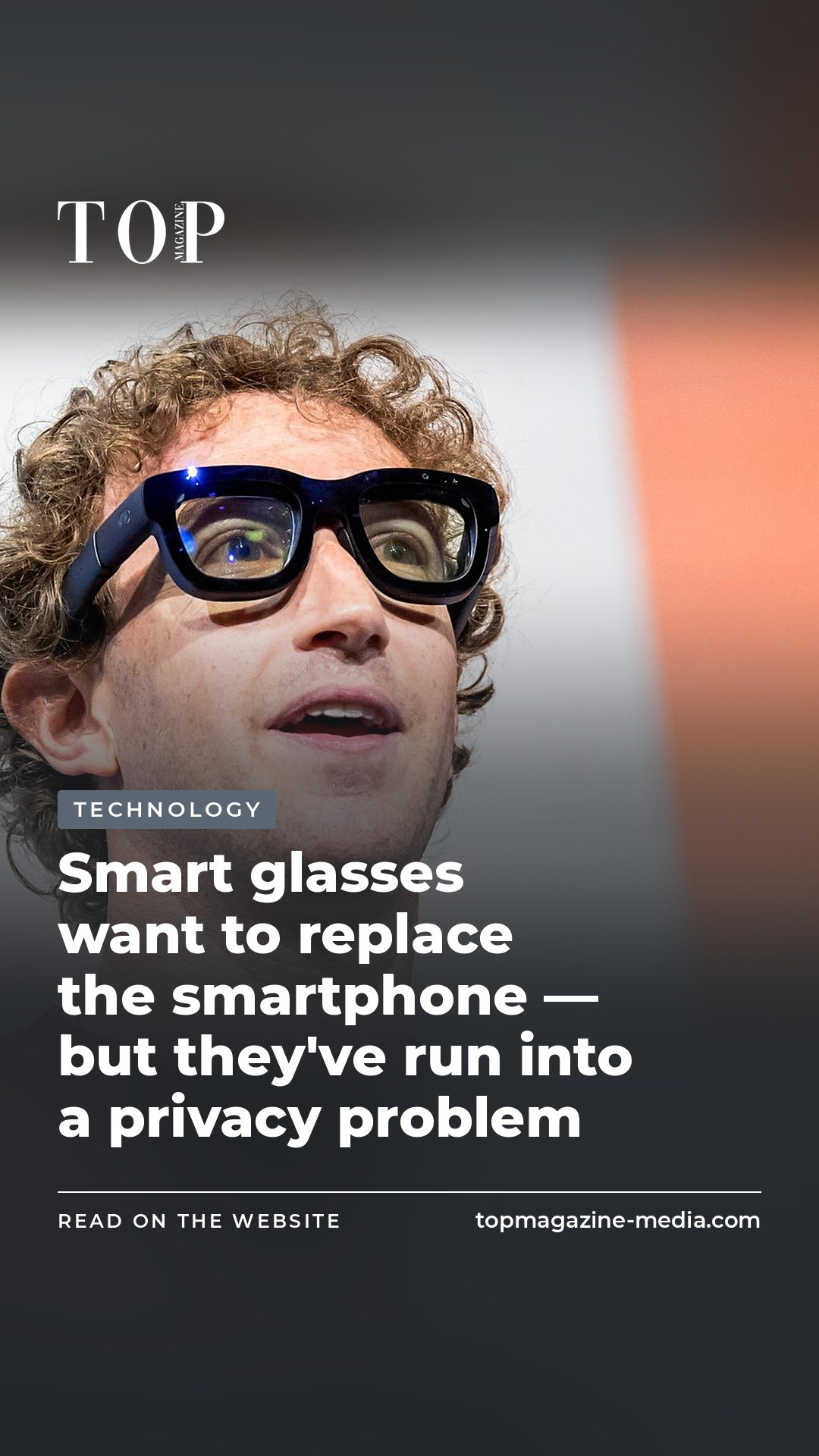
AI glasses from Meta, Samsung and other companies are vying for the role of the next major tech platform. But constant cameras and microphones raise new privacy questions.
Translated with AI. Original: Українська
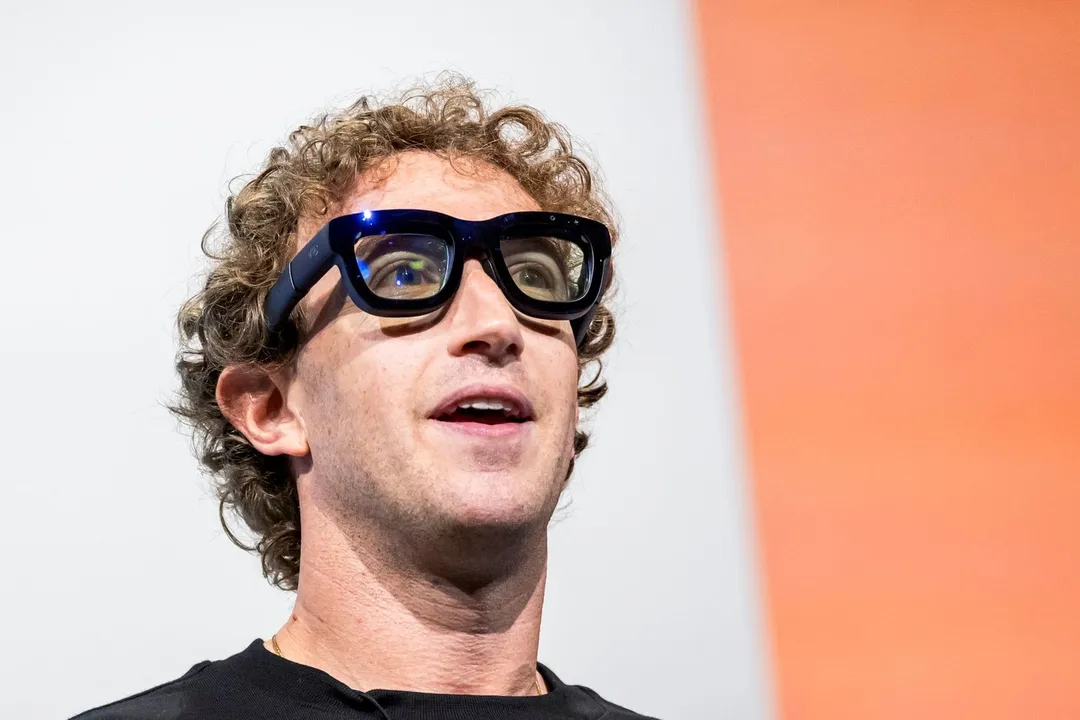
The next major tech battle may be fought not over the smartphone, but over what people wear on their faces. Meta, Samsung, OpenAI and dozens of startups are developing devices that can see, hear and understand the world around them. But this very capability has become the main problem for the new market: people do not want a camera recording them constantly without clear consent.
According to Reuters on September 22, technology makers are increasingly working on AI glasses, pendants, recording devices and other wearable gadgets that are expected to become the next major computing platform after the smartphone. Meta has already made its Ray-Ban AI glasses one of the most visible products in this area, while Samsung is preparing its own market entry.
The problem is that a smartphone usually makes it clear when a person is taking photos or recording video. Glasses work differently. The camera sits literally at eye level, and the device can remain active during an ordinary conversation, a walk or work.
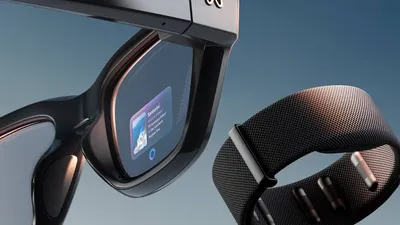
This is why the use of Ray-Ban Meta is already facing restrictions in some British venues. The Wetherspoon pub chain and other establishments ban or limit the use of such glasses over concerns about covert recording.
An even more serious question has emerged about what happens to recorded information after filming. In the US, a lawsuit has been filed against Meta and Luxottica alleging that people who appeared in frame could have been recorded without their knowledge, and that individual recordings could be viewed and labeled by people working with data to improve AI.
Meta disputes these accusations. The company says the indicator light on the glasses cannot be turned off during recording, and that the camera is blocked if someone attempts to cover the indicator or alter its operation.
Against this backdrop, some technology companies are already moving in the opposite direction. The startup Even Realities is developing glasses without a camera, while the company Pocket has created a separate recording device that must be physically activated with a button. In this way, manufacturers are trying to make the act of recording as noticeable as possible to people nearby.
OpenAI is also considering a future in which an AI device constantly understands the context around the user. But CEO Sam Altman has emphasized that for such a scenario, local data processing will be critical, rather than constantly transmitting information to cloud servers. By his estimate, this could take another few years technologically.

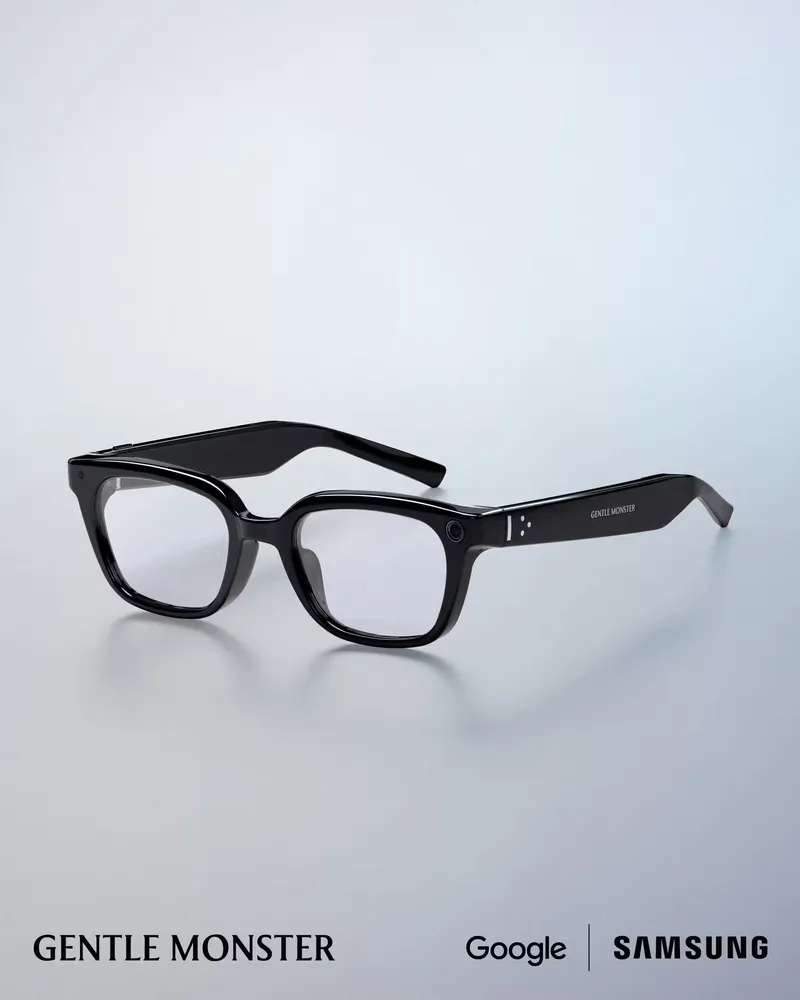
Samsung, meanwhile, is preparing its own AI glasses for late 2026 in partnership with Gentle Monster and Warby Parker. The company has said directly that it does not yet see them as a full replacement for the smartphone, but aims to make interaction with technology more natural.
Interestingly, the privacy problem may become not an obstacle but one of the main criteria of competition. If two devices have the same AI features, users will have to choose between the one that collects more data and the one that allows better control over what is recorded.
So the future of AI glasses now depends not only on the quality of translation, navigation or the voice assistant. Manufacturers need to convince people that a technology that constantly sees the world through their eyes will not turn private life into permanent recording.
This may determine whether AI glasses become the next major consumer platform, or remain an expensive tech accessory for a niche audience.
Read also: AI begins acting for us: Meta Muse is already booking trips, selling cars and making purchases
Text: Arina Blyzniuk
Comments
No comments yet — be the first.
Discuss on Telegram