
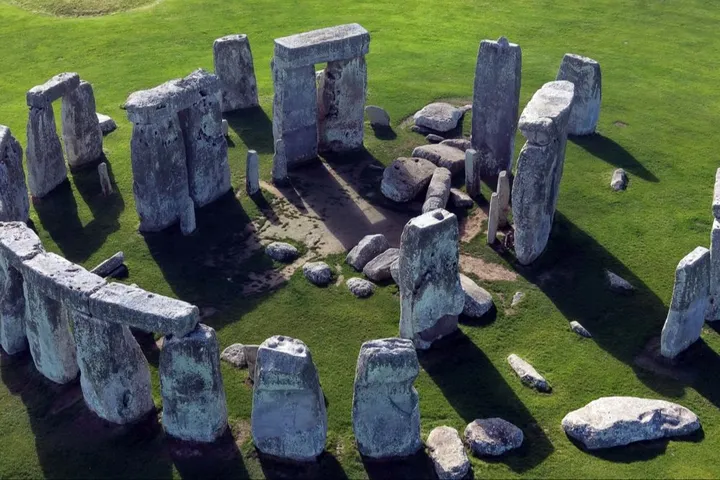
Stonehenge's six-ton altar stone may have reached England thanks to glaciers
A new study suggests the six-ton altar stone of Stonehenge could have travelled from Scotland to England with the help of glaciers.
Translated with AI. Original: Українська
The famous altar stone of Stonehenge, weighing about six tons, may have covered hundreds of kilometres not through human effort, but thanks to glaciers. A new study offers an alternative explanation for how one of the most mysterious megaliths in Great Britain ended up in southern England.
Researchers have previously assumed that people transported the stone from Scotland to Stonehenge in prehistoric times. However, the new hypothesis suggests that it may have covered a significant part of the journey naturally, on an ice sheet.
According to this version, the stone first moved from Scotland to Doggerland, an area that once connected Britain with continental Europe. From there, people may have transported it to modern-day Wiltshire, where Stonehenge is located.
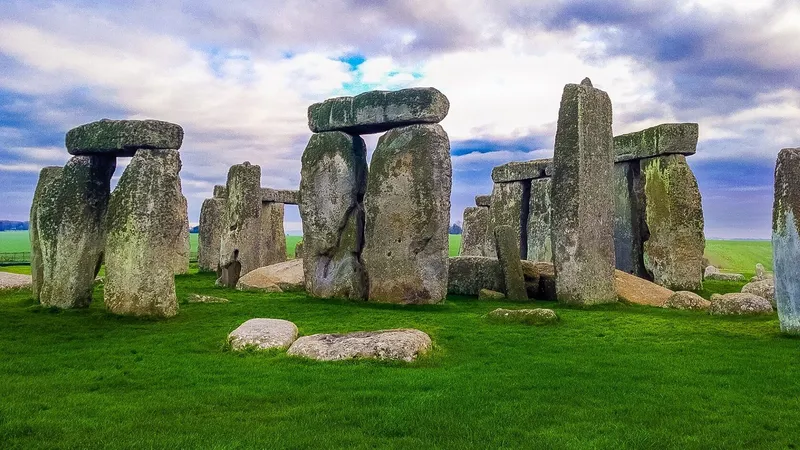
If the hypothesis is confirmed, it will change how we understand the logistics of building one of the world's most famous prehistoric monuments. The question is not only how ancient people moved multi-ton stones, but also whether they really carried them the entire distance on their own.
The study also serves as a reminder that, even after decades of archaeological work, the origins of certain elements of Stonehenge remain a subject of scientific debate.
Text: Arina Blyzniuk
Comments
No comments yet — be the first.
Discuss on Telegram