Why People Pay for What They Could Get for Free
Bottled water, private clubs, premium subscriptions and concierge services. Why people pay for what they already have for free, and what they actually buy along with the product.
Translated with AI. Original: Українська
What do a bottle of water that costs a few dollars, a private club membership and a subscription to a service that can be used for free have in common? In every case, people pay not so much for the product itself as for what they get along with it: comfort, time, access, status or a sense of exclusivity.
The simplest example is water. Tap water in most cities costs literally pennies, yet the global bottled water market is already measured in hundreds of billions of dollars. People buy Evian, Voss or other premium brands not because they cannot get water any other way. They are buying convenience, packaging, brand, design and association with a certain lifestyle. The same happens with coffee: the drink can be made at home for much less money, yet people pay for a cup at a café every day. That is because along with the coffee they get a place, an atmosphere, service and the chance to spend time there.
This model works especially well in the digital economy. Almost every major service today has a free tier and a paid version. Spotify can be streamed for free, but millions of people pay for Premium. Cloud services offer a basic amount of storage, but users subscribe every month for additional gigabytes. AI services work the same way: the free version gives access to core features, while the paid one sells higher limits, speed and additional tools. In effect, people pay to avoid running into limitations.
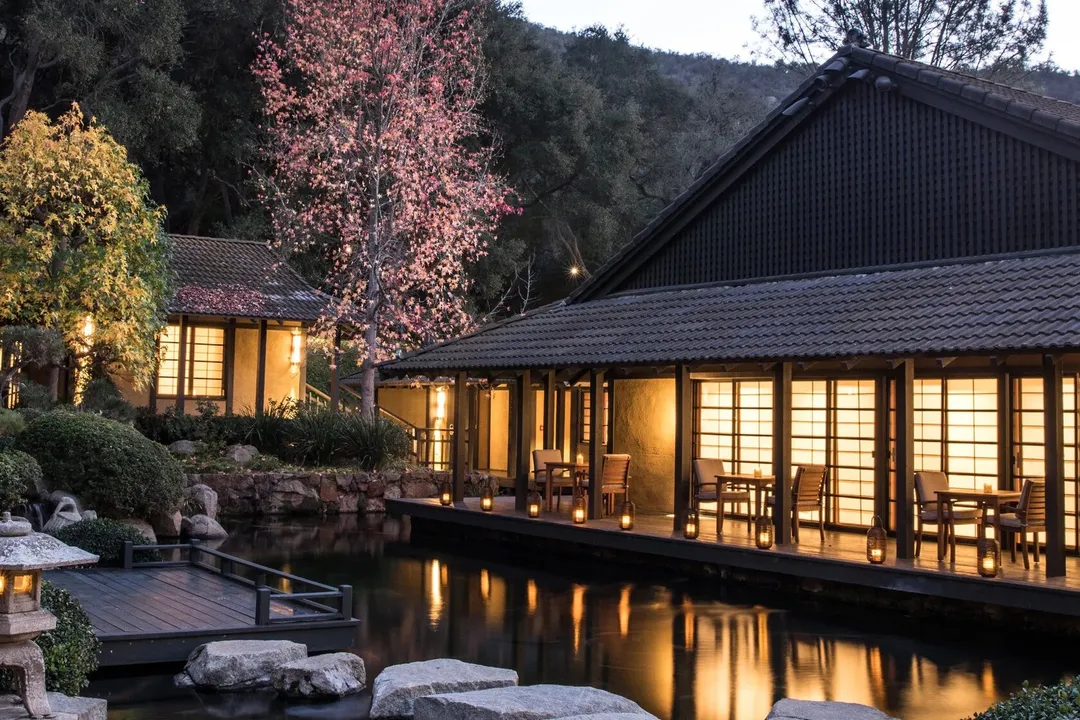
Access to the right environment costs even more. That is why an entire industry of private clubs has developed around the world. Membership in Soho House or other closed clubs is not needed to drink coffee, work on a laptop or sit in a beautiful interior. All of this can be done more cheaply. The value of a club lies in the people inside it. An entrepreneur gets an environment for networking, a creative person gets a community, and a client of the luxury segment gets a sense of access to a closed space. In this case, what is being sold is no longer a physical object but social capital.
The same principle explains the popularity of concierge services. A restaurant can be booked by yourself, a ticket bought through an app, a hotel found in a few minutes. But for a person who earns enough, time can be more expensive than the service itself. So they pay another person to find a rare table, arrange a transfer, book a hotel or handle an everyday matter. This seems illogical only as long as we judge the purchase by its function. If we count the value of our own time, the model becomes entirely rational.
That is why modern luxury increasingly looks less like simply buying expensive things. Its main goods become time, access, privacy, convenience and the ability not to do something yourself. A person can have a free alternative to almost any service, yet still choose the paid version if it is faster, more comfortable or lets them feel part of a certain circle.
The paradox is that the more free options appear around us, the more expensive the things become that save our time or give access to places not everyone can reach. In a world where almost anything can be found with one click, the scarce commodity is no longer information or even the product. Time itself is becoming scarce.
Read also: Mykola Leontovych: How “Shchedryk” Became Carol of the Bells and a Global Hit
Text: Arina Blyzniuk
Comments
No comments yet — be the first.
Discuss on Telegram