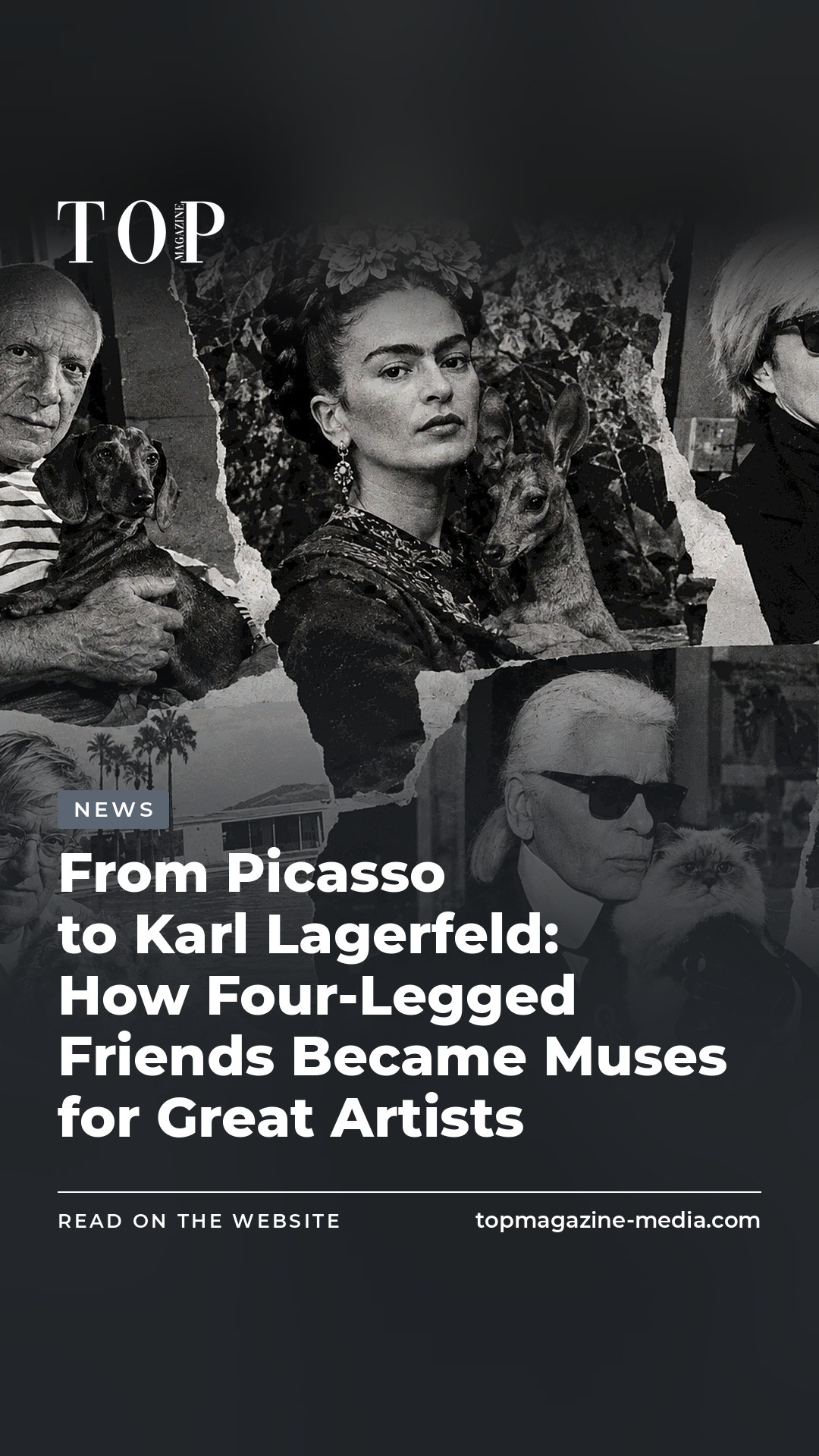
From Picasso to Karl Lagerfeld: How Four-Legged Friends Became Muses for Great Artists
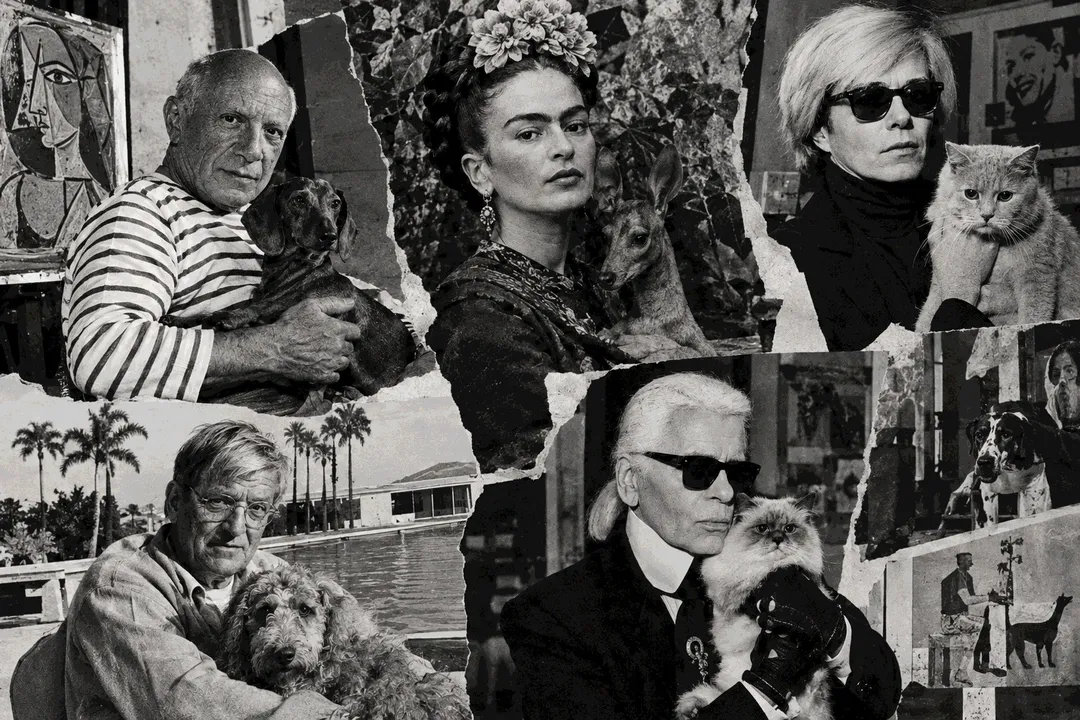
Picasso, Frida Kahlo, Warhol, Hockney and Karl Lagerfeld found inspiration in their dogs and cats. The stories of four-legged muses who entered art.
Translated with AI. Original: Українська
Pablo Picasso had a muse who did not pose for money, did not understand art and had no idea she had become part of history. This was a small dachshund named Lump, who belonged to photographer David Douglas Duncan. In 1957, Duncan came to Picasso at the La Californie villa, and the dog stayed there for the next six years. Picasso became so attached to him that he once simply took a plate from the table, a brush and paints, and painted Lump on ceramics. Later, the dog appeared in dozens of the artist's works, including his series of reinterpretations of Velázquez's "Las Meninas".
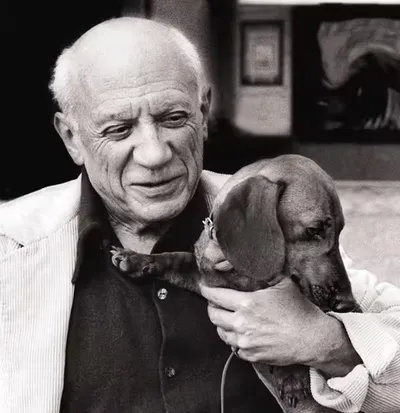
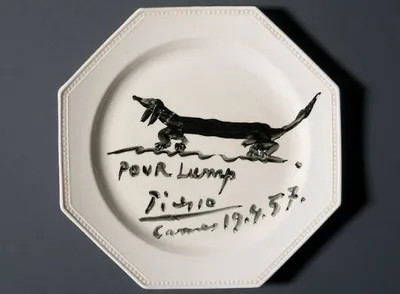
The story of Lump is important not only because Picasso loved dogs. In his case, the animal became part of the creative process itself. Picasso replaced the traditional dog in the foreground of his variations on "Las Meninas" with his own dachshund, turning a private affection into an element of artistic play. Photographer Duncan recalled that a real closeness developed between them: Lump followed the artist around the house, sat beside him while he worked, and effectively became one of the characters in his everyday life.
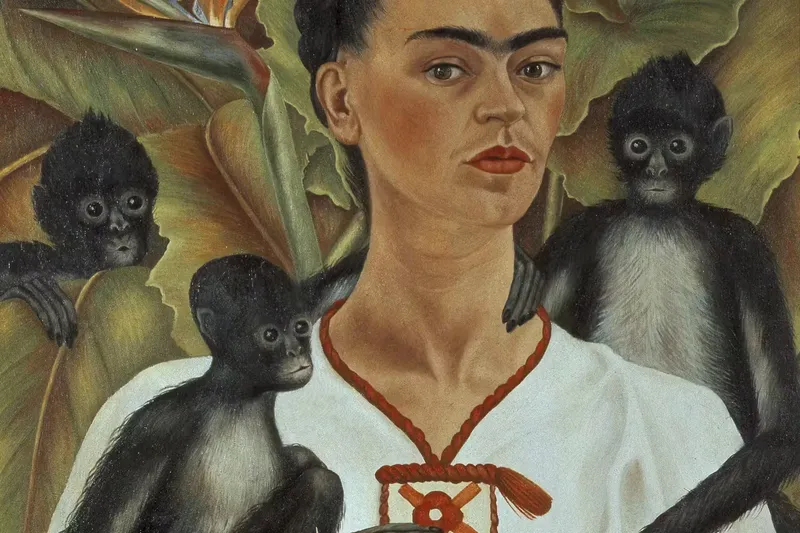
For Frida Kahlo, domestic animals were no longer incidental characters but part of her personal visual language. At Casa Azul, the artist lived alongside dogs, monkeys, parrots, deer, cats, turtles, ducks and geese. Kahlo did not simply keep them at home: she regularly included animals in her self-portraits. The official website of the Frida Kahlo Museum specifically mentions "Ixcuhintli Dog with Me" from 1938, "Self-Portrait with Monkeys" and "Self-Portrait (Me and My Parakeets)". In her paintings, the animals worked as part of a complex portrait of the artist herself, her surroundings and Mexican identity.
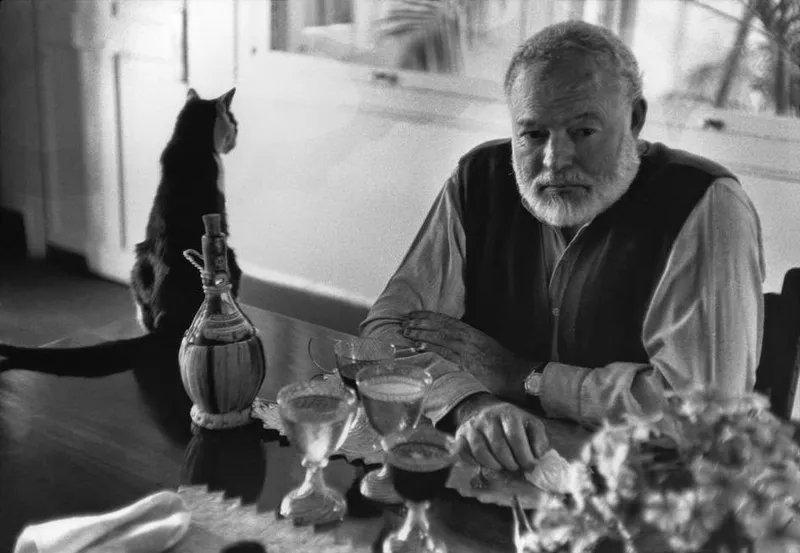
For Ernest Hemingway, it all began with one unusual gift. A ship's captain gave the writer a white six-toed cat named Snow White. Hemingway brought him to Key West, and his house later turned into the territory of an entire cat dynasty. Today, dozens of cats live on the grounds of the Hemingway Home & Museum, many of which have the characteristic polydactyly. It would be an exaggeration to link each of them directly to the writer's specific texts, but the cats themselves have become an inseparable part of the legend of his home and way of life.
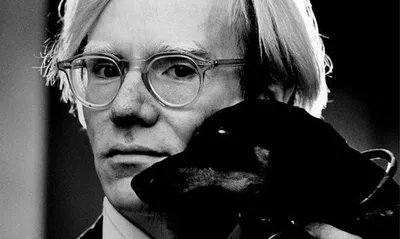
And then art took an unexpected turn from personal affection to genuine obsession. In the 1950s, Andy Warhol lived with a whole colony of Siamese cats. There were so many of them that one of the artist's most famous early projects was titled "25 Cats Name Sam and One Blue Pussy". The cats were not just part of his daily life: their paws literally left traces on the works, and the animals gradually became a separate motif in his art. Later, Warhol created portraits of cats and dogs, among them his dachshunds Archie and Amos.
For David Hockney, dogs became much more than convenient models. His dachshunds Stanley and Boodgie appeared in dozens of drawings, paintings and etchings. The period after the death of the artist's close friend Henry Geldzahler in 1994 was especially telling. Hockney said he wanted to paint something he could feel love in, and realized that he was painting his best friends. In 1995, the "Dog Days" series presented 45 works dedicated to two dachshunds.
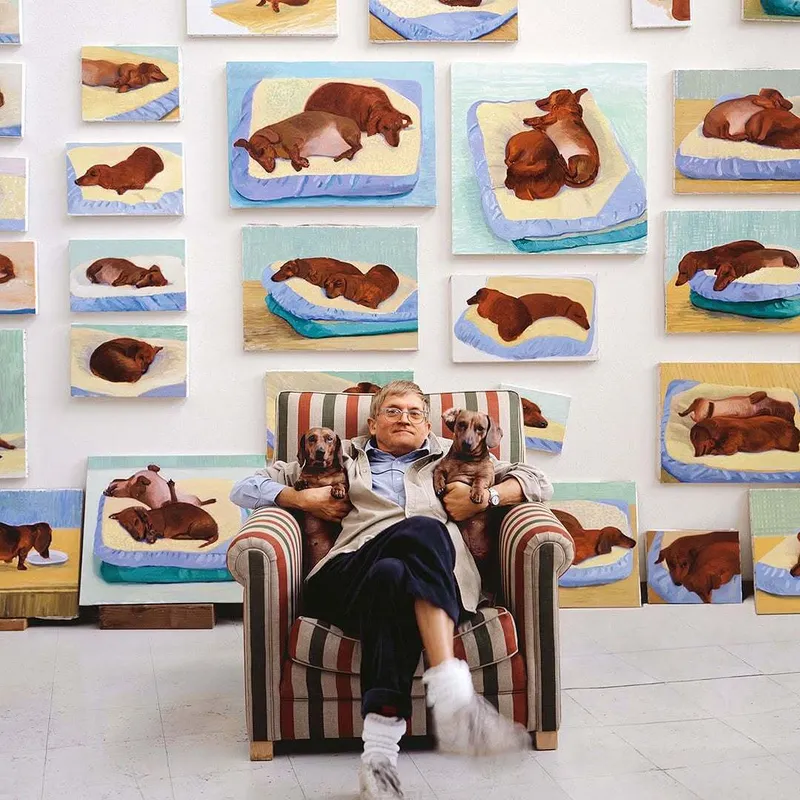
In Hockney's case, it is also interesting how the dogs changed the way he worked. He left sheets of paper all over the house so he could draw Stanley and Boodgie whenever they naturally sat or slept. A pose could last only 20–30 minutes, so the artist had to react quickly. It was this attentiveness that made the series especially vivid: Hockney did not try to create an idealized portrait of a dog, he captured character, habits, sleep, boredom and moments of complete calm.
In the world of fashion, the most telling example is Karl Lagerfeld and Choupette. The blue-eyed white Birman cat appeared in the designer's life in 2011 and very quickly stopped being just a pet. Lagerfeld photographed her on his work desk, next to sketches, called her a source of inspiration for elegance and posture, and her eyes and white fur became part of the visual language of his projects. Choupette received her own books, advertising campaigns and even a cosmetics collaboration with Shu Uemura.
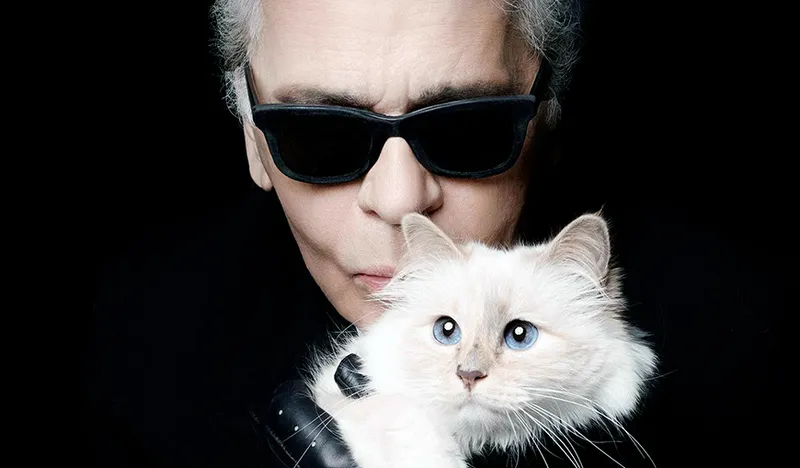
Lagerfeld, moreover, turned the very idea of a "pet" into a pop culture phenomenon. Choupette had two caregivers, her own diary, a huge audience on social media, and appeared in commercial projects alongside the designer. She became not just a muse but an extension of his personal brand. Notably, the Metropolitan Museum later described Lagerfeld's obsession with Choupette as part of his public image: books, editorial pieces and even a special issue of Karl Daily were dedicated to the cat.
Today this story continues in a different form. The animal no longer necessarily has to literally appear on the canvas to become part of a creative brand. It can be a character in a photograph, a source of aesthetics, part of social media or even a separate commercial story. But between Picasso, who painted Lump on a plate, Warhol, whose cats roamed his studio, Hockney, who captured his dachshunds' sleep on paper, and Lagerfeld, who turned Choupette into a fashion icon, there is a common trait: the best four-legged muses did not pose – they simply lived nearby. And it was this presence, without staging or artistic pretension, that often gave artists what is harder to find in any professional model: a sense of life unfolding right before their eyes.
Read also: €200 million, a will and Choupette: what is really happening with Karl Lagerfeld's legacy
Text: Arina Blyzniuk
Comments
No comments yet — be the first.
Discuss on Telegram